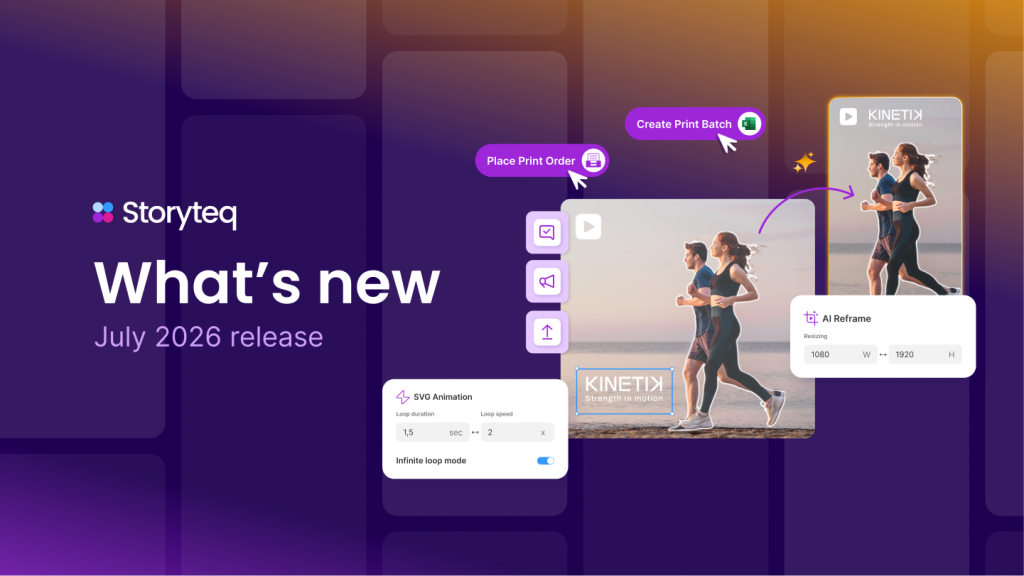



Content marketing platforms in 2026 will transform into comprehensive ecosystems that seamlessly integrate AI, automation, and advanced analytics. These platforms will move beyond basic content management to become intelligent systems that automate personalization at scale, predict audience needs, and optimize content performance in real-time. The next generation of platforms will unite content creation, distribution, and measurement in one place, giving marketers unprecedented control and efficiency.
What are content marketing platforms evolving into by 2026?
By 2026, content marketing platforms will evolve from simple management tools into comprehensive ecosystems that orchestrate the entire content lifecycle. These next-generation platforms will integrate AI-driven analytics, automated content production, and cross-channel distribution within a single interface. You’ll experience seamless workflows that connect planning, creation, publishing, and measurement while maintaining brand consistency across all touchpoints.
The transformation is largely driven by increasing demands for personalized content at scale. Modern platforms will address this challenge by breaking down traditional silos between creative and marketing teams. Instead of fragmented tools requiring multiple handoffs, future platforms will create unified environments where teams collaborate in real-time.
This evolution represents a fundamental shift from content storage to intelligent content orchestration. Rather than simply housing assets, platforms will actively guide your strategy by recommending optimal content types, suggesting personalization opportunities, and automating repetitive tasks. The result will be dramatically increased productivity without sacrificing creative quality or brand integrity.
How will AI transform content marketing platforms in the next few years?
AI will transform content marketing platforms through five key capabilities: predictive analytics, generative content creation, automated optimization, sentiment analysis, and advanced audience segmentation. These technologies will work together to help you understand what content to create, automate its production, optimize its performance, analyze audience response, and deliver it to precisely defined segments.
Predictive analytics will evolve beyond basic performance forecasting to recommend specific content types and topics based on emerging trends and audience behavior patterns. This means your content strategy will become increasingly proactive rather than reactive.
Meanwhile, generative AI will mature from basic text creation to sophisticated multimedia production. You’ll be able to automatically create variations of content for different audiences while maintaining brand consistency. The technology will serve as a creative partner that handles repetitive tasks while freeing human marketers to focus on strategy and unique creative concepts.
Automated optimization will continuously test and refine content based on performance data, ensuring your messages resonate with each audience segment. These capabilities will transform how you allocate resources, allowing smaller teams to achieve results previously requiring extensive agency support.
What new features will content marketing platforms offer by 2026?
Content marketing platforms in 2026 will offer five game-changing features: real-time personalization engines, integrated multimedia creation tools, advanced performance analytics, seamless omnichannel publishing, and collaborative workflow enhancements. These features will work together to create a unified experience that eliminates the need for multiple specialized tools.
Real-time personalization engines will automatically adapt content based on individual user behavior, preferences, and context. Rather than creating dozens of variants manually, you’ll define personalization parameters and let the platform generate optimized versions for each audience segment.
Integrated multimedia creation tools will enable you to produce videos, images, interactive elements, and text within a single platform. The days of switching between multiple creative applications will end as content platforms incorporate sophisticated design capabilities with templates that maintain brand consistency.
Advanced analytics will move beyond basic metrics to provide actionable insights about content effectiveness across the customer journey. You’ll understand exactly which content drives specific business outcomes rather than focusing on surface-level engagement metrics. This will finally solve the attribution challenge that has plagued content marketers for years.
Which industries will benefit most from next-generation content platforms?
Retail, finance, healthcare, education, and B2B sectors will benefit most from next-generation content marketing platforms. Each industry faces unique content challenges that advanced platforms will specifically address through specialized features and workflow optimizations tailored to their regulatory environments and audience expectations.
Retail brands will leverage these platforms to create personalized product content across multiple channels, automatically adapting messaging based on inventory levels, seasonality, and individual customer preferences. This will dramatically reduce the manual effort currently required to maintain consistent omnichannel experiences.
Financial services will benefit from compliance-focused workflows that automatically ensure regulatory requirements are met across all content. The ability to quickly update information across multiple touchpoints will prove particularly valuable when communicating time-sensitive financial products and services.
Healthcare organizations will use advanced content platforms to deliver accurate, personalized health information while navigating strict privacy regulations. Education providers will benefit from features that adapt learning content to different student needs and preferences. Meanwhile, B2B companies will leverage these platforms to create sophisticated, data-driven content experiences throughout lengthy sales cycles.
How should marketers prepare for content platform evolution?
To prepare for content platform evolution, marketers should focus on four key areas: skills development, team structure adaptation, data strategy refinement, and cross-functional collaboration approaches. Taking action in these areas now will position you to maximize the value of next-generation platforms when they arrive.
For skills development, prioritize building a balanced team with both technical and creative capabilities. Ensure team members understand data analysis, AI functionality basics, and content optimization principles. This doesn’t mean everyone needs to become a data scientist, but all content professionals should become comfortable using data to inform decisions.
Team structures should evolve toward more fluid, cross-functional models where content creators, strategists, analysts, and channel specialists work in integrated units rather than separate departments. This mirrors how future platforms will break down technical silos between functions.
Your data strategy should focus on unifying content performance metrics with customer data to create a complete picture of content effectiveness. Begin standardizing how you measure content impact now to prepare for the more sophisticated analytics capabilities coming to future platforms.
Finally, establish collaborative workflows between marketing, creative, sales, and customer service teams. The most successful organizations in 2026 will be those where content flows seamlessly between departments, creating consistent experiences at every customer touchpoint.
The future of content marketing platforms presents exciting opportunities to deliver more relevant, engaging experiences while reducing production complexity. At Storyteq, we’re committed to developing solutions that help you stay ahead of these trends. Our Content Marketing Platform already incorporates many of these forward-looking capabilities, from planning and scheduling to content automation and workflow management. Want to see how we’re building the future of content marketing today? Request a demo to experience it firsthand.
Frequently Asked Questions
How can small businesses with limited resources adopt next-generation content marketing platforms?
Small businesses can start by adopting modular platform solutions that allow gradual implementation based on priority needs. Look for platforms offering scalable pricing tiers and focus first on capabilities that address your biggest content bottlenecks, whether that’s personalization, analytics, or workflow automation. Many next-gen platforms will offer ‘essential’ packages designed specifically for smaller teams, allowing you to access core AI and automation features without enterprise-level investment. Consider forming partnerships with other small businesses to share platform costs or leverage agency relationships that provide platform access as part of their services.
What potential risks or challenges should we anticipate when implementing AI-powered content platforms?
The primary challenges include data quality issues, team adoption resistance, over-automation risks, and maintaining brand voice consistency. Ensure your customer data is clean and properly structured before implementing advanced personalization features. Develop a comprehensive change management plan to help team members embrace new workflows rather than resist them. Establish clear guidelines for which content elements should be AI-generated versus human-created to avoid sacrificing authentic connection with your audience. Finally, invest time in properly training AI systems on your unique brand voice and regularly audit automated content to ensure it maintains your standards.
How will content governance and compliance capabilities evolve in these platforms?
Future platforms will integrate automated compliance scanning that flags potential regulatory issues before content goes live. Expect sophisticated version control systems that maintain detailed audit trails of every content modification with the ability to instantly roll back to previous approved versions. Many platforms will incorporate industry-specific compliance templates and workflows tailored to different regulatory environments (HIPAA, FINRA, GDPR, etc.). The most advanced systems will use AI to continuously monitor published content against evolving regulations, automatically alerting you when existing content needs updates to maintain compliance.
What metrics should we focus on to measure ROI from next-generation content platforms?
Move beyond traditional engagement metrics to focus on conversion path analysis, content influence scoring, customer lifetime value correlation, and production efficiency gains. Track how specific content pieces influence the entire customer journey rather than measuring isolated interactions. Measure reductions in content production time and resource requirements while monitoring quality and effectiveness metrics. Implement attribution modeling that shows which content combinations most effectively drive business outcomes. The most valuable metric will be how content platform capabilities translate to increased revenue per customer through more relevant, personalized experiences.
How can we effectively transition from our current content tools to these new platforms without disrupting ongoing campaigns?
Plan a phased migration approach beginning with a content audit to identify which assets need to be transferred to the new system. Run your current and new platforms in parallel during the transition, gradually shifting workflows to the new system one team or content type at a time. Prioritize migrating evergreen content first, then move to active campaigns. Many next-gen platforms will offer migration assistance and temporary API connections to legacy systems. Schedule the transition during a naturally slower period in your marketing calendar and build in extra time for team training and workflow adjustments.
What skills should we prioritize developing in our content team to maximize the value of these advanced platforms?
Focus on developing a blend of technical and strategic capabilities: data literacy to interpret platform analytics, AI prompt engineering skills to effectively direct automated content tools, personalization strategy expertise to define effective content variation rules, and cross-channel storytelling abilities to maintain narrative consistency. Technical skills with APIs and integration management will become increasingly valuable as platforms connect with more business systems. However, human creativity and emotional intelligence will remain essential for developing breakthrough content concepts that automated systems can then scale and optimize.
How will next-generation content platforms integrate with other marketing technology like CRMs and e-commerce systems?
Future content platforms will feature native bidirectional integrations with major CRMs, e-commerce platforms, and marketing automation systems through standardized APIs and pre-built connectors. Content will be dynamically synchronized across systems, so product information updated in your e-commerce platform automatically updates in related marketing content. Customer interactions from CRM systems will directly inform content personalization rules without manual data transfers. Expect unified customer profiles that combine behavioral, transactional, and engagement data to provide a complete view of how individuals interact with your content across all touchpoints.