


Affordable creative automation tools help startups produce professional marketing content without hiring large design teams. Most startups can start with freemium platforms or budget-friendly subscription tools ranging from £15–50 per month. The right creative automation software enables small teams to create consistent, on-brand content across multiple channels while maintaining quality and significantly reducing production time.
What exactly is creative automation and why do startups need it?
Creative automation uses software to streamline repetitive design tasks, enabling teams to produce multiple content variations quickly from templates. It automates elements like text changes, image swapping, and format adjustments while maintaining brand consistency across different marketing materials.
Startups face unique challenges that make creative automation particularly valuable. Limited resources mean you cannot hire dedicated designers for every campaign, yet you need professional content to compete effectively. Creative automation addresses three critical startup pain points: scaling content production without expanding teams, maintaining brand consistency across channels, and reducing time to market for campaigns.
Consider a startup launching in multiple markets. Traditional design processes would require creating separate assets for each location, language, and platform. Creative automation allows you to build templates once, then generate localised versions automatically. This approach transforms what might take weeks into hours of work.
The technology particularly benefits startups because it eliminates the need to choose between quality and quantity. You can produce professional-looking content at scale without sacrificing brand standards or overwhelming your small team with repetitive tasks.
How much should startups realistically budget for creative automation tools?
Most startups should allocate £15–100 per month for creative automation tools, depending on team size and content volume. Freemium options provide basic functionality for very early-stage companies, while paid plans typically start at around £15–30 per user per month for comprehensive features.
Pricing models vary significantly across platforms. Freemium tiers usually include limited templates and basic editing capabilities, suitable for startups producing fewer than 50 assets per month. These work well for testing automation concepts before committing to paid plans.
Subscription-based pricing typically ranges from £15–50 per month for small teams. Mid-tier plans (£50–100 per month) often include advanced template creation, brand management tools, and collaboration features. Enterprise solutions start at around £200+ per month but provide extensive customisation and integration capabilities.
Consider your content volume when budgeting. Startups producing 10–20 assets per month can often manage with basic plans, while those needing 100+ variations require more robust solutions. Factor in potential growth—choosing slightly higher-tier plans initially can prevent costly migrations later.
Remember that creative automation reduces overall marketing costs by eliminating outsourcing needs and reducing time investment. A £50-per-month tool that saves 10 hours of design work effectively pays for itself through productivity gains.
What features matter most when choosing affordable creative automation software?
Template libraries, brand asset management, and collaboration tools provide the best value for startups. Look for platforms offering diverse template options, easy brand guideline enforcement, and streamlined approval workflows that accommodate small-team dynamics.
Template variety and customisation capabilities form the foundation of effective creative automation. Choose platforms providing templates across the formats you need—social media posts, display ads, email headers, and print materials. Quality matters more than quantity; 50 well-designed, flexible templates outperform 500 basic options.
Brand asset management ensures consistency without constant oversight. Look for tools that store your logos, fonts, colours, and guidelines centrally. Advanced platforms enforce brand rules automatically, preventing off-brand content creation even when team members lack design experience.
Integration capabilities become important as your startup grows. Choose tools that connect with your existing marketing stack—email platforms, social media schedulers, and project management systems. This connectivity prevents workflow disruptions and data silos.
Collaboration features streamline approval processes. Look for commenting systems, version control, and approval workflows that accommodate remote teams. These features prevent bottlenecks that can delay campaign launches.
Scalability options justify initial investments. Ensure your chosen platform can accommodate growth in team size, content volume, and complexity without requiring a complete platform change.
Which creative automation tools offer the best value for money?
Several platforms balance affordability with functionality for startups. Canva Pro offers extensive templates and basic automation for around £10 per month. Creatopy provides advanced AI capabilities and template builders starting at around £20 per month. More specialised platforms like Adobe Express and Figma offer design-focused automation at competitive rates.
Budget-friendly options include Canva Pro, which excels in template variety and ease of use. Its brand kit features and team collaboration tools work well for startups needing quick content creation without steep learning curves. The platform handles most standard marketing materials effectively.
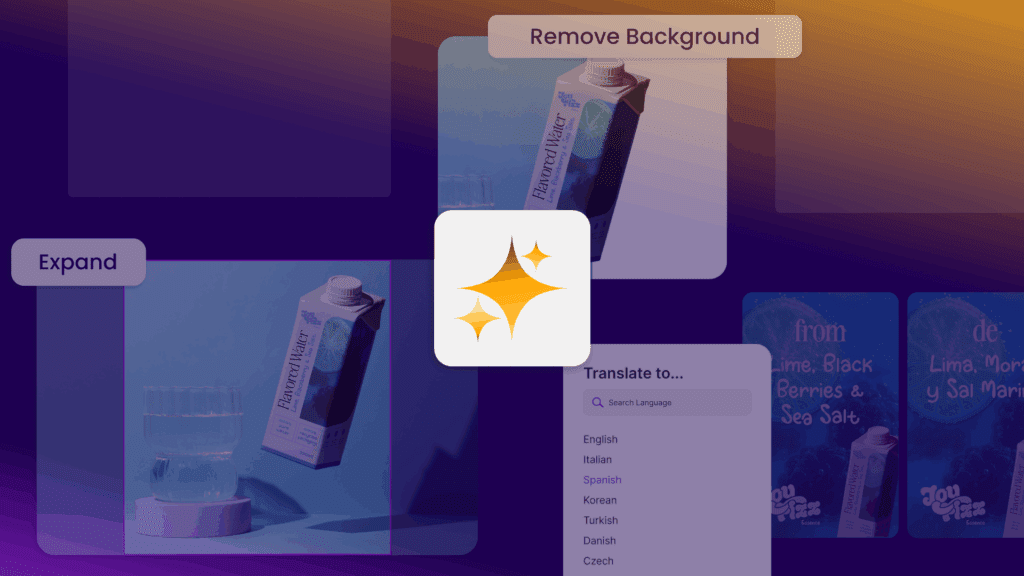
Mid-range solutions like Creatopy offer more sophisticated automation. Features include smart image cropping, text generation, and one-click animations. These platforms suit startups requiring more dynamic content or advanced personalisation capabilities.
Consider platform strengths when choosing. Some excel in social media content, others in display advertising or email marketing materials. Match platform capabilities with your primary content needs rather than seeking comprehensive solutions that may include unnecessary features.
Free trial periods help you evaluate platforms before committing. Most quality tools offer 7–14-day trials with full feature access. Use these periods to test template quality, ease of use, and integration capabilities with your existing workflows.
Factor in learning-curve costs. User-friendly platforms may cost slightly more but save time in training and adoption. Complex tools requiring extensive training can offset cost savings through reduced productivity during implementation.
How do you implement creative automation without overwhelming your small team?
Start with pilot projects focusing on one content type or campaign. Choose your most repetitive design task—perhaps social media posts or email headers—and automate that process first. This approach allows team members to learn gradually while seeing immediate benefits.
Begin implementation by identifying your highest-volume, most repetitive content needs. Social media posts, display ads, or email newsletters typically offer the best starting points because they follow consistent formats while requiring regular updates.
Involve your team in platform selection and initial setup. When team members participate in choosing tools and creating initial templates, they feel more invested in successful adoption. This collaborative approach reduces resistance and improves long-term usage.
Provide focused training sessions rather than comprehensive overviews. Teach specific workflows relevant to immediate needs, then expand knowledge as comfort levels increase. Most team members need hands-on practice with two or three template types before feeling confident.
Establish clear guidelines for template usage and brand compliance. Document when to use automation versus custom design, approval processes for automated content, and quality standards everyone should maintain. These guidelines prevent confusion and maintain content quality.
Monitor adoption rates and gather feedback regularly. Track which features team members use most, where they encounter difficulties, and what additional training might help. This information guides ongoing implementation and ensures tools actually improve productivity rather than creating new obstacles.
How Storyteq helps with affordable creative automation for startups
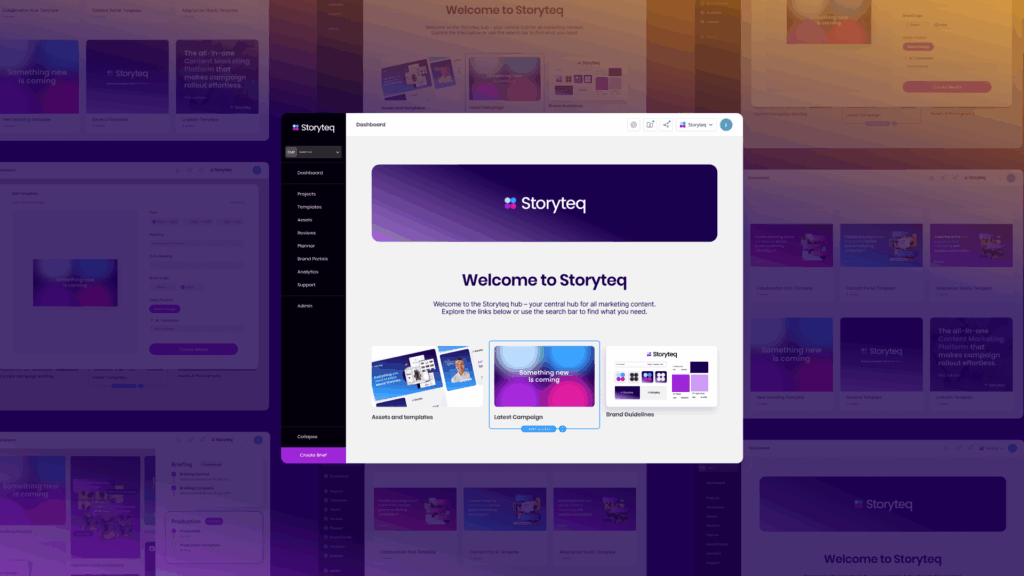
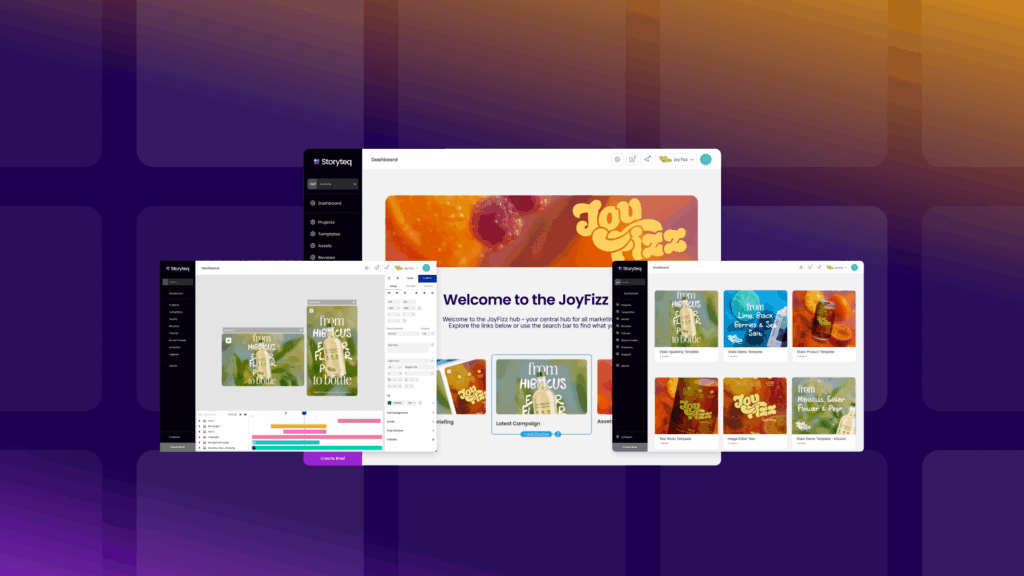
Storyteq provides a comprehensive creative automation solution specifically designed to address the unique challenges startups face when scaling their content production. Our platform combines enterprise-level capabilities with startup-friendly pricing and implementation support.
Key benefits for startups include:
- Intuitive template builder that requires no design experience
- Automated brand compliance to maintain consistency across all content
- Seamless integration with existing marketing tools and workflows
- Scalable pricing that grows with your team and content needs
- Dedicated onboarding support to ensure smooth implementation
- Advanced analytics to track content performance and ROI
Creative automation transforms how startups approach content creation, making professional marketing materials accessible regardless of design expertise or budget constraints. The key lies in choosing tools that match your specific needs while planning implementation thoughtfully. When you select appropriate platforms and introduce them gradually, creative automation becomes a powerful asset for scaling your marketing efforts efficiently. Book a demo to see how Storyteq can streamline your content production workflows while maintaining the quality and consistency your brand deserves.