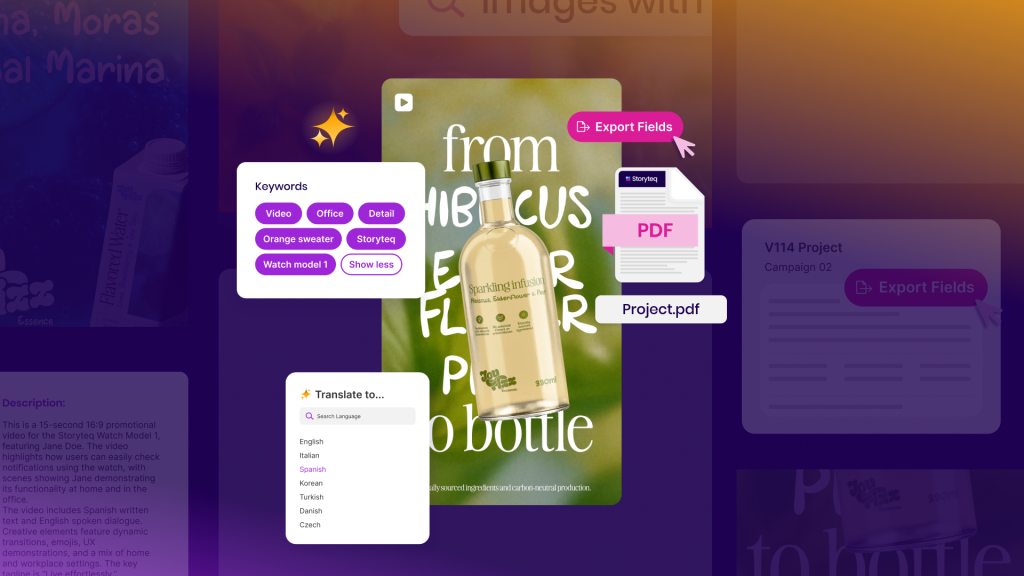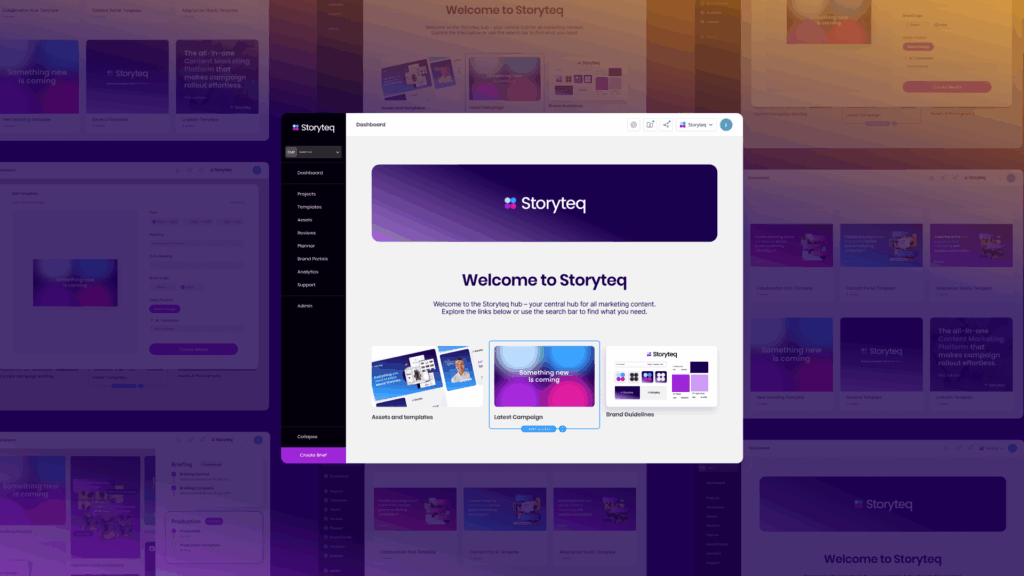


Dynamic advertising offers significant benefits by automatically personalizing ad content based on user data and behavior. This approach delivers more relevant messages to individual users, resulting in higher engagement rates and better return on investment compared to traditional static advertising. Dynamic advertising leverages real-time optimization and automation to improve campaign performance while reducing manual management requirements.
What is dynamic advertising and how does it work?
Dynamic advertising is an automated marketing approach that personalizes ad content in real time based on individual user data, behavior, and preferences. Unlike static ads that show the same message to everyone, dynamic advertising automatically adjusts content elements such as images, headlines, offers, and calls to action to match each viewer’s interests and characteristics.
The technology behind dynamic advertising relies on sophisticated algorithms that analyze vast amounts of user data, including browsing history, purchase behavior, demographics, location, and device information. This data feeds into programmatic advertising platforms that make split-second decisions about which ad variation to display to each user across different touchpoints.
Dynamic ad campaigns work by creating multiple content variations and rules that determine when each version appears. The system continuously learns from user interactions and optimizes content delivery based on performance metrics. This creates a feedback loop in which the most effective combinations receive more exposure, improving overall campaign effectiveness over time.
Why is dynamic advertising more effective than traditional static ads?
Dynamic advertising significantly outperforms static advertising because it delivers personalized messages that resonate with individual users rather than generic content aimed at broad audiences. This personalization creates stronger connections between brands and potential customers, leading to higher engagement rates and improved conversion performance.
Traditional static ads use the same creative elements and messaging for all viewers, regardless of their interests or stage in the buying journey. Dynamic advertising adapts to each user’s specific context, showing relevant products, pricing, and messaging that match their demonstrated preferences and behavior patterns.
The effectiveness advantage comes from relevant timing. Dynamic advertising can show winter coats to users in cold climates while displaying summer clothing to those in warmer regions, or highlight sale prices to price-sensitive shoppers while emphasizing premium features to luxury-focused consumers. This contextual relevance creates more meaningful advertising experiences that users are more likely to engage with and act on.
How does dynamic advertising improve return on investment?
Dynamic advertising improves ROI through reduced ad waste and increased conversion rates from highly targeted messaging. By showing relevant content to qualified prospects, businesses spend less money on unproductive impressions and generate more revenue from their advertising investment.
The automation inherent in dynamic advertising reduces campaign management costs while maintaining optimal performance. Instead of manually creating and testing multiple ad variations, the system automatically optimizes content delivery based on real-time performance data. This efficiency allows marketing teams to focus on strategy rather than tactical execution.
Improved campaign performance metrics drive better business outcomes through higher click-through rates, lower cost per acquisition, and increased customer lifetime value. Dynamic advertising often achieves better quality scores on advertising platforms, resulting in lower bid costs and improved ad placement. The combination of cost efficiency and performance improvement creates a compound effect that significantly enhances overall marketing ROI.
What are the key automation benefits of dynamic advertising?
Time savings represent the most immediate automation benefit, as dynamic advertising eliminates the need for constant manual campaign adjustments and creative updates. Marketing teams can set up campaigns once and allow the system to optimize performance continuously without daily intervention.
Scalability becomes achievable across multiple products, audiences, and markets simultaneously. Dynamic advertising systems can manage thousands of product variations and audience segments that would be impossible to handle manually. This scalability enables businesses to expand their reach without proportionally increasing their management resources.
Real-time optimization capabilities ensure campaigns maintain peak performance around the clock. The system automatically adjusts bids, budgets, and creative elements based on performance data, responding to market changes faster than human managers could. This constant optimization maintains campaign effectiveness even as market conditions and user behavior patterns evolve.
The automation reduces human error while ensuring consistent brand messaging across all touchpoints. Automated systems follow predetermined rules and guidelines, maintaining brand standards while adapting content for different audiences and contexts.
How can businesses get started with dynamic advertising campaigns?
Businesses should begin by establishing data requirements, including customer information, product catalogs, and tracking systems necessary for personalization. Quality data forms the foundation of effective dynamic advertising, so investing in proper data collection and management systems is essential before launching campaigns.
Platform selection depends on business goals, budget, and technical capabilities. Major advertising platforms like Google Ads, Facebook Ads, and programmatic advertising networks offer dynamic advertising features with varying levels of complexity. Businesses should evaluate platform capabilities against their specific requirements and available resources.
Creative asset preparation involves developing modular content elements that can be combined dynamically. This includes multiple headline variations, image options, product descriptions, and call-to-action buttons that work together in different combinations while maintaining brand consistency.
Campaign setup requires defining audience segments, establishing bidding strategies, and creating performance measurement frameworks. Businesses should start with simple dynamic campaigns targeting clear audience segments before expanding to more complex personalization strategies. Regular monitoring and optimization ensure campaigns deliver expected results while identifying opportunities for improvement and expansion.
How Storyteq streamlines dynamic advertising campaigns
Storyteq provides a comprehensive platform that simplifies dynamic advertising creation and management through intelligent automation and creative optimization tools. Our solution addresses the key challenges businesses face when implementing personalized advertising campaigns:
• Automated creative production: Generate thousands of ad variations from your templates and data feeds without manual intervention
• Real-time personalization: Deliver contextually relevant content based on user behavior, location, and preferences
• Cross-platform distribution: Deploy campaigns across multiple advertising channels from a single dashboard
• Performance optimization: Continuously improve campaign results through AI-driven insights and automatic adjustments
• Brand consistency: Maintain visual and messaging standards across all dynamic ad variations
Ready to transform your advertising campaigns with intelligent automation? Contact Storyteq today to discover how our dynamic advertising platform can increase your ROI while reducing campaign management complexity.