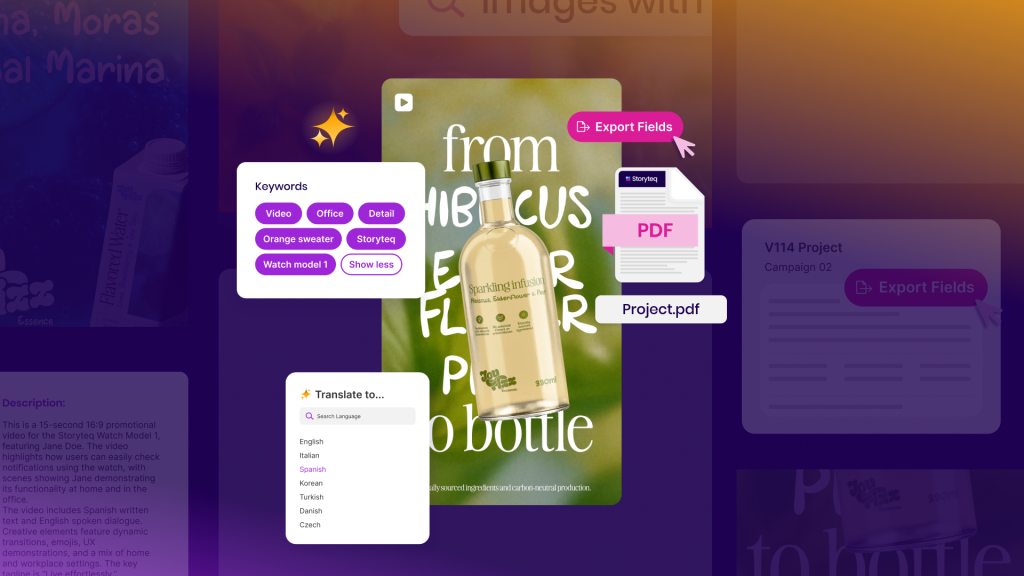


Yes, AI content generation software can create video scripts effectively. Modern AI systems can analyze brand guidelines, study existing content, and generate scripts that maintain consistent messaging across various marketing campaigns. These tools use natural language processing to craft scripts that align with brand voice while saving significant time compared to manual creation. AI script generators excel at producing variations for different platforms, audiences, and languages, making them especially valuable for large-scale content production. However, they work best as collaborative tools with human oversight rather than complete replacements for creative professionals.
What capabilities do AI content generators offer for video script creation?
AI content generators offer extensive capabilities for video script creation, functioning as powerful assistants in the creative process. These systems can analyze brand guidelines, previous content, and marketing objectives to create scripts that maintain consistent messaging across campaigns.
At their core, AI generators excel at pattern recognition, allowing them to understand the structure and flow of effective video scripts. They can quickly generate multiple script variations based on the same core message, each tailored to different platforms, formats, or audience segments. This dramatically reduces the time needed to create content at scale.
Many advanced AI systems can also:
- Transform brief outlines into fully-developed scripts
- Suggest improvements to existing scripts
- Adapt scripts for different video lengths
- Generate localised versions for international markets
- Create scripts optimised for specific platforms (TikTok, YouTube, Instagram, etc.)
The most sophisticated AI content generators integrate with creative automation workflows, enabling seamless transitions from script creation to production. This allows marketing teams to focus on high-level strategy while the AI handles repetitive aspects of script generation.
Unlike earlier text generators that produced generic content, today’s AI tools understand context and can incorporate specific product details, campaign objectives, and audience insights into their outputs. They serve as starting points that significantly accelerate the scriptwriting process without replacing the human creative touch.
How does AI maintain brand voice when generating video scripts?
AI maintains brand voice when generating video scripts through advanced algorithms that learn from existing brand content to capture tone, style, and messaging patterns. This ensures all generated scripts align with established brand identity.
The process begins with training. AI systems analyse your previous marketing materials, including videos, social posts, website copy, and brand guidelines. Through this analysis, they identify distinctive language patterns, tonal qualities, and thematic elements that define your brand’s unique voice.
Once trained, the AI applies these learned patterns when generating new scripts. It can consistently replicate your brand’s:
- Vocabulary preferences and word choice
- Sentence structure and rhythm
- Tone (whether conversational, authoritative, playful, etc.)
- Key messaging points and value propositions
- Distinctive phrases or taglines
Modern AI content generation systems also incorporate dynamic templates that maintain brand consistency while allowing for personalisation. These templates function as frameworks where certain elements remain constant (maintaining brand identity) while others can be customised for different markets, audiences, or campaigns.
For global brands, AI can maintain core brand voice while adapting scripts to cultural nuances across different markets. This balances the need for consistent messaging with the importance of local relevance.
The result is content that feels authentically on-brand rather than generic, creating a cohesive experience across all customer touchpoints.
Can AI-generated video scripts be customised for different audiences?
Yes, AI-generated video scripts can be extensively customised for different audiences. Modern AI systems excel at creating tailored messaging for specific audience segments through demographic targeting, behavioural analysis, and market segmentation.
AI content generators can analyse audience data to understand what resonates with different groups, then automatically adjust scripts to match these preferences. This personalisation capability works across several dimensions:
- Demographic factors (age, location, language, etc.)
- Behavioural patterns (past purchases, browsing history)
- Position in the customer journey (awareness, consideration, decision)
- Specific interests and pain points
- Cultural references and regional nuances
For example, the same core product message can be automatically adapted to highlight different benefits for different audience segments. A financial service might emphasise security for older audiences while focusing on convenience and mobile features for younger users—all from the same base script.
The most advanced systems can generate variations that maintain brand consistency while adjusting tone, vocabulary, and examples to resonate with specific audiences. This is particularly valuable for global campaigns that need localisation across markets.
Rather than creating separate scripts from scratch for each audience segment, marketers can use AI to learn more about automated content personalisation and generate appropriate variations from a single master script, dramatically improving efficiency while maintaining relevance.
What role do humans play in AI video script generation?
Humans play a crucial collaborative role in AI video script generation, serving as creative directors who guide, refine, and enhance the AI’s output. This human-AI partnership creates a workflow that leverages the strengths of both.
The most effective approach positions AI as a creative assistant rather than a replacement for human creativity. In this collaborative model:
- Humans define strategic objectives, brand guidelines, and creative direction
- AI rapidly generates script drafts and variations based on these parameters
- Humans review, edit, and refine the AI-generated content
- AI implements changes and can generate new versions quickly
- Humans make final approval decisions and add nuanced creative elements
Marketing professionals and creative teams provide the essential human elements that AI cannot replicate: emotional intelligence, cultural awareness, strategic thinking, and creative intuition. They understand the subtle nuances that make content truly connect with audiences.
For example, while AI might generate a technically sound script, humans can identify opportunities to add humour, emotional resonance, or cultural references that elevate the content. They can also recognise when an AI-generated phrase might unintentionally miss the mark or fail to capture the intended sentiment.
This collaborative approach allows creative teams to focus their time and energy on higher-value creative decisions rather than repetitive script variations. The result is a more efficient workflow that maintains creative quality while significantly reducing production time.
How do companies measure the effectiveness of AI-generated video scripts?
Companies measure the effectiveness of AI-generated video scripts through a comprehensive set of performance metrics that evaluate both audience engagement and production efficiency. This dual measurement approach provides a complete picture of the AI’s impact.
From an audience engagement perspective, businesses track:
- View-through rates and watch time
- Engagement metrics (likes, shares, comments)
- Click-through rates on calls-to-action
- Conversion rates and attribution data
- A/B test results comparing different AI-generated variations
These metrics help determine whether AI-generated scripts effectively connect with audiences and drive desired actions. Many companies run split tests comparing AI-generated scripts against human-written ones to measure relative performance.
From a production standpoint, companies evaluate:
- Time saved in script creation and revision cycles
- Volume of content produced within the same timeframe
- Cost efficiency compared to traditional production methods
- Consistency of messaging across multiple platforms and markets
- Speed to market for new campaigns
The most valuable measurement approach combines these metrics to calculate the overall return on investment. For example, if AI-generated scripts perform similarly to human-written ones but can be produced in half the time and at lower cost, the efficiency gains represent significant value.
Advanced analytics platforms can also track how script variations perform across different audience segments, providing insights that inform future content strategies and refine the AI’s output over time.
As AI content generation continues to evolve, these measurement frameworks help companies understand where the technology delivers the most value and how to optimise their human-AI creative partnerships.
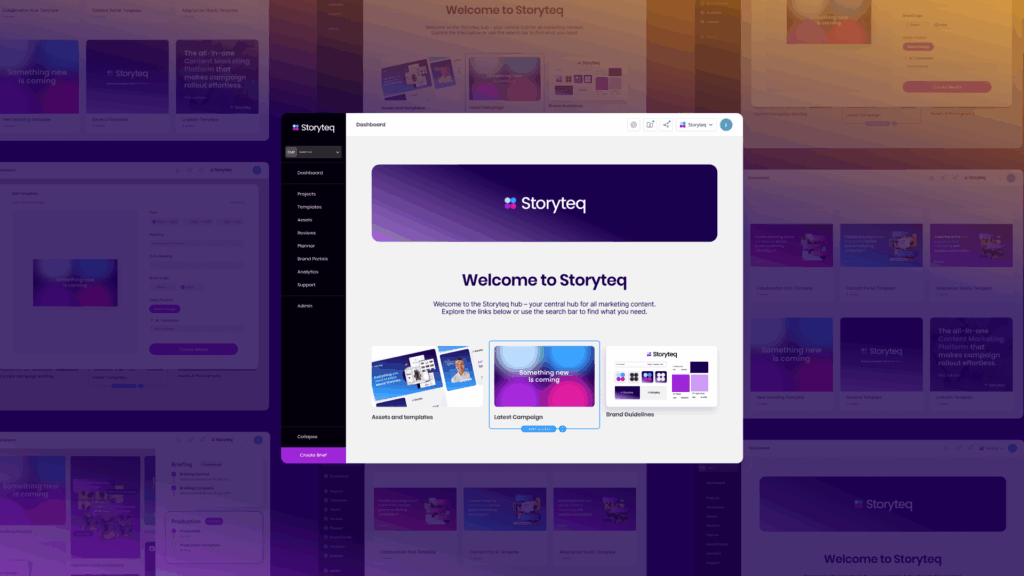
In conclusion, AI content generation software has become an increasingly valuable tool for creating video scripts, offering efficiency, consistency, and scalability. While AI excels at generating variations, maintaining brand voice, and personalising content for different audiences, the most successful implementations maintain a balance between automation and human creativity. At Storyteq, we understand this balance is crucial – our creative automation platform enables teams to produce personalised, on-brand video content at scale while preserving the creative spark that connects with audiences. If you’re interested in exploring how AI-powered content automation can transform your video production workflow, request a demo of our platform to see these capabilities in action.