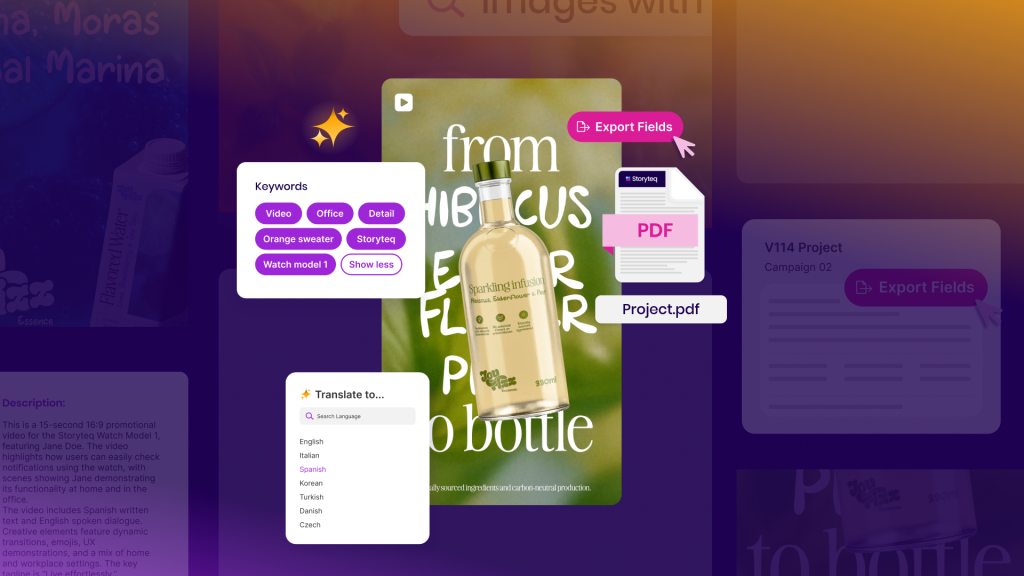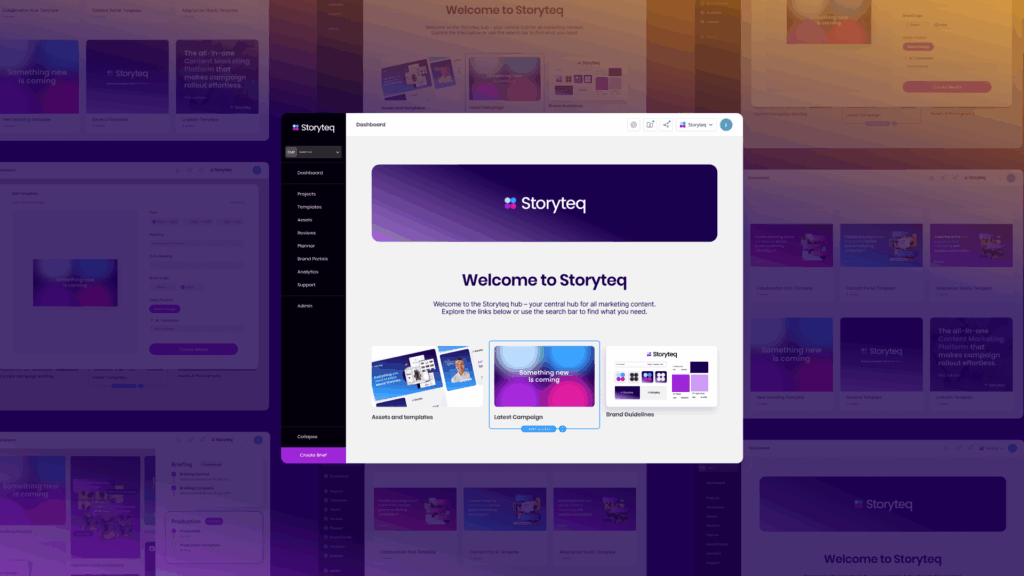



Digital Asset Management (DAM) integration with content marketing platforms creates a unified system where both solutions share data, assets, and workflows. This connection enables seamless transfer of digital assets between your central repository and content creation tools, while maintaining metadata, version control, and permissions. The integration typically works through APIs, middleware, or native connectors, allowing marketing teams to access, distribute, and repurpose brand-compliant assets directly within their content workflows.
What is DAM integration with content marketing platforms?
DAM integration with content marketing platforms refers to the technical connection between your digital asset management system and the tools used to create, manage, and distribute marketing content. This integration creates a bidirectional flow of assets, metadata, and workflow information between both systems, eliminating silos and creating a unified content ecosystem.
At its core, this integration works through several technical mechanisms:
- API connections that allow systems to communicate and exchange information automatically
- Native connectors built specifically for popular platform pairings
- Middleware solutions that facilitate communication between different systems
- Webhook triggers that initiate actions when specific events occur in either system
When properly configured, the integration creates a seamless experience where assets stored in your DAM are instantly accessible within content creation workflows, while maintaining all associated metadata, usage rights, and version history.
How does DAM integration benefit content marketing workflows?
DAM integration with content marketing platforms significantly improves workflow efficiency by providing centralized access to approved assets exactly when and where they’re needed in the content creation process. This eliminates time spent searching for files, reduces version confusion, and ensures brand consistency across all marketing channels.
Key benefits include:
- Accelerated content creation – Teams can focus on creative work rather than administrative tasks like file hunting and format conversions
- Enhanced brand consistency as only approved, current assets are accessible
- Reduced duplicate content and storage costs through efficient asset reuse
- Improved collaboration between creative, marketing, and approval teams
- Better asset utilization insights through unified analytics
For example, when content marketers need images for a campaign, they can access pre-approved, properly formatted assets directly within their content platform rather than downloading from one system and uploading to another. This creates a more streamlined workflow where assets move smoothly from creation to publication.
What features should you look for in DAM-integrated content platforms?
When evaluating DAM-integrated content marketing platforms, prioritize solutions that offer bidirectional syncing, robust metadata handling, and flexible workflow capabilities. The most useful integrations maintain data integrity across systems while simplifying how marketing teams access and utilize assets.
Essential features to look for include:
- Bidirectional asset synchronization that keeps both systems updated when changes occur
- Metadata preservation ensuring all asset information transfers between systems
- Version control capabilities showing asset history and changes
- Granular permission management that works across both platforms
- Asset transformation tools for automatic format conversion
- Real-time collaboration features with commenting and approval workflows
- Search functionality that works across both systems
Additionally, consider how the integration handles asset updates. When a file is modified in one system, does it automatically update in the other? This synchronization is vital for maintaining a single source of truth for all marketing assets.
How do you implement DAM integration with your existing content systems?
Implementing DAM integration with content marketing platforms requires careful planning, clear communication with stakeholders, and a phased approach. Start by assessing your current systems, defining integration requirements, and creating a realistic implementation roadmap that minimizes disruption to existing workflows.
Follow these implementation steps:
- Assess your current environment – Document existing systems, workflows, and pain points
- Define integration requirements and success metrics
- Select appropriate integration method (API, native connector, or middleware)
- Plan metadata mapping to ensure information transfers correctly
- Develop a data migration strategy for existing assets
- Create a testing plan with specific use cases and scenarios
- Implement user training and change management processes
- Launch with a phased rollout approach
Remember that successful implementation depends as much on user adoption as technical execution. Involve key stakeholders early, communicate benefits clearly, and provide adequate training to ensure teams understand how to leverage the integration effectively.
What common challenges occur with DAM-content platform integration?
Despite their benefits, DAM-content platform integrations often face challenges related to metadata inconsistencies, performance issues, and user adoption resistance. These obstacles can undermine the effectiveness of even technically sound integrations if not properly addressed during planning and implementation.
Common integration challenges include:
- Incompatible metadata structures between systems requiring custom mapping solutions
- Performance issues when transferring large files or handling high volume requests
- User adoption resistance due to changes in familiar workflows
- Permission synchronization complexities across platforms
- Version control conflicts when assets are modified in multiple systems
To overcome these challenges, implement clear metadata governance standards, conduct thorough performance testing before launch, invest in comprehensive user training, and establish protocols for handling conflicting changes. Most importantly, maintain open communication channels for user feedback to identify and address issues quickly.
When properly implemented, DAM integration with content marketing platforms transforms how teams create, manage, and distribute content. At Storyteq, we’ve seen organizations significantly reduce production time and costs while improving brand consistency through integrated asset management. Our Creative Automation Platform works seamlessly with DAM systems to help marketing teams produce personalized, on-brand content at scale.
Ready to see how integrated DAM and content marketing can transform your creative production? Request a demo today to discover the possibilities.
Frequently Asked Questions
How long does a typical DAM integration project take?
Most DAM integration projects take between 2-4 months from planning to full implementation, depending on system complexity and organizational size. Simple integrations with pre-built connectors might be completed in as little as 3-4 weeks, while enterprise-level custom integrations can extend to 6+ months. Creating a detailed project timeline with specific milestones and allocating resources for testing and training phases will help ensure a smoother implementation process.
What should I do if users are reluctant to adopt the integrated DAM-content platform?
Address resistance by demonstrating tangible time-savings and workflow improvements through hands-on workshops and real use cases relevant to each team. Identify and train power users who can serve as internal champions, providing peer support and showcasing successful workflows. Consider implementing a phased approach with early wins, and collect ongoing feedback to address pain points quickly, showing users their input matters in refining the integrated system.
How can we measure ROI from our DAM-content platform integration?
Track metrics in three key areas: efficiency gains (time saved searching for assets, reduced approval cycles), quality improvements (brand consistency scores, error reduction rates), and asset utilization (reuse rates, content production volume). Establish baseline measurements before implementation, then compare at 3, 6, and 12-month intervals. Additionally, capture qualitative feedback from teams about workflow improvements and translate time savings into financial metrics by calculating the hourly cost of creative and marketing resources.
What are the security considerations for DAM integration with content platforms?
Prioritize single sign-on (SSO) implementation to maintain security while enabling seamless access across platforms. Ensure granular permission synchronization so access controls are consistently applied in both systems. Implement audit logging to track asset usage and modifications across the integrated environment, and verify that data transfers between systems occur via encrypted connections. Regularly review integration touchpoints during security assessments to identify and address potential vulnerabilities.
How do we handle content localization workflows in an integrated DAM-content platform?
Configure your integration to maintain parent-child relationships between original assets and their localized versions, preserving connection metadata. Implement approval workflows specific to localization that include regional stakeholders while maintaining global brand standards. Consider integrating translation management systems as a third component when working with extensive multilingual content. Set up template-based approaches where region-specific elements can be swapped while maintaining core brand components across all localized versions.
Can DAM integration work with our proprietary/custom content management system?
Yes, custom CMS integration is possible through several approaches, depending on your system's architecture. If your proprietary system has API capabilities, custom integration can be developed to connect with most modern DAM solutions. For systems without APIs, middleware solutions or periodic batch synchronization may provide alternatives. Work with developers familiar with both your custom system and the DAM platform to identify the most efficient integration points and data mapping strategies.
What maintenance is required after DAM-content platform integration is complete?
Schedule regular technical health checks to ensure API connections remain functional and performance meets expectations. Monitor error logs and system alerts to quickly identify synchronization issues. Plan for periodic user feedback sessions to identify workflow friction points and improvement opportunities. Stay current with version updates for both systems, testing integration functionality after each significant update. Establish a governance committee that reviews metadata structures and workflow rules quarterly to ensure they evolve with changing business needs.