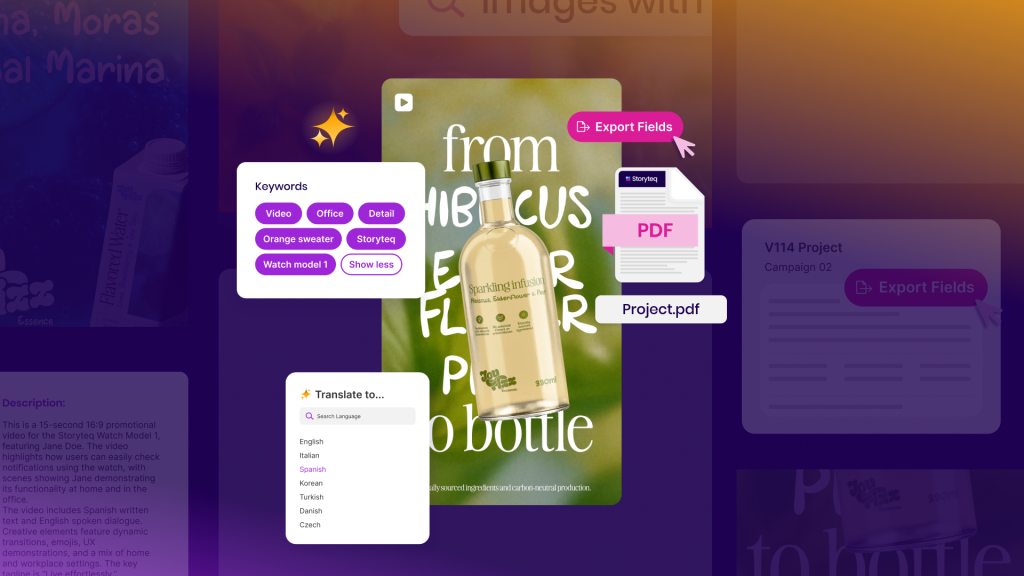



AI-powered content creation has revolutionised the marketing landscape by enabling teams to produce high-quality, personalised content at unprecedented scale. To start using AI for content creation, begin by identifying repetitive content tasks that can be automated, select appropriate AI tools that integrate with your existing workflow, establish clear guidelines for maintaining brand consistency, train your team on effective AI collaboration, and implement a testing framework to optimise results. This approach allows you to leverage AI as a powerful augmentation tool while preserving human creativity and strategic oversight.
What is AI-powered content creation?
AI-powered content creation refers to the use of artificial intelligence technologies to assist in generating, optimising, and distributing marketing content. Rather than replacing human creativity, AI functions as an augmentation tool that handles repetitive tasks, suggests improvements, and scales production capabilities.
Modern AI content systems fall into two main categories: generative AI, which creates new content from prompts, and post-production AI, which enhances existing content through automated editing, personalisation, and optimisation. While generative AI receives more attention, post-production AI often delivers more immediate practical value by automating tedious adaptation tasks.
The most effective AI content tools operate within structured frameworks that maintain brand guidelines while allowing for personalisation. They transform static assets into dynamic templates where elements like text, images, and video sequences can be automatically customised based on audience data, campaign requirements, or market-specific needs.
By handling repetitive production tasks, AI frees creative professionals to focus on higher-value activities like strategic planning, creative direction, and concept development—areas where human expertise remains irreplaceable.
Why should marketers adopt AI for content production?
Marketers should adopt AI for content production primarily because it addresses the growing demand for personalised content across multiple channels without proportionally increasing resources. The efficiency gains alone justify investment, as AI can reduce production time from days to minutes for adapted content.
Content consistency becomes more manageable with AI systems that enforce brand guidelines across all outputs. This ensures that regardless of volume, each piece maintains approved visual identity, messaging tone, and quality standards. For global brands, this consistency is particularly valuable when localising content across different markets and languages.
The ability to scale production allows marketers to create more variants for testing and personalisation. Instead of choosing between quality and quantity, AI enables both simultaneously. This means campaigns can include highly targeted content tailored to specific audience segments, resulting in improved engagement and conversion rates.
Resource optimisation is another compelling benefit. By automating repetitive tasks, teams can redirect creative talent toward innovation and strategy rather than endless adaptation work. This improves team satisfaction while maximizing the impact of human creativity where it matters most.
How does AI integrate with existing content workflows?
AI integrates most effectively with content workflows when implemented as an enhancement to existing processes rather than a complete replacement. The integration process typically begins with identifying repetitive, time-consuming tasks that can be automated, such as resizing assets, localising text, or adapting content for different channels.
For successful implementation, adopt template thinking—a crucial mindset shift where creative assets are designed with automation in mind. This means creating master templates with clearly defined dynamic elements that can be modified automatically while preserving the creative vision and brand integrity.
The technical integration requires selecting tools that connect seamlessly with your current creative software and marketing technology stack. Look for AI solutions with robust APIs and pre-built integrations with platforms like Adobe Creative Suite, content management systems, and digital asset management solutions.
Start with a pilot project to test the integration, focusing on a single campaign or content type before expanding. This allows teams to develop expertise, establish processes, and demonstrate value before scaling up. Proper implementation requires:
- Clear documentation of automation rules and parameters
- Training for both creative and marketing teams
- Defined approval workflows that balance automation with oversight
- Regular review and optimisation of templates and processes
This phased approach ensures that AI enhances rather than disrupts existing workflows, gradually increasing efficiency while maintaining quality control. Learn more about seamless AI workflow integration to see how it can work specifically for your content processes.
What results can brands expect when automating content creation?
Brands implementing AI-powered content automation can expect significant improvements in campaign velocity—the speed at which marketing initiatives move from concept to market. This accelerated production enables teams to respond quickly to market opportunities, seasonal events, and competitor activities without sacrificing quality.
Content personalisation capabilities expand dramatically, allowing brands to create tailored variations for different audiences, channels, and contexts. Rather than settling for generic messages that attempt to appeal to everyone, automation enables precision targeting with relevant imagery, messaging, and offers that resonate with specific segments.
Resource optimisation occurs as teams spend less time on repetitive adaptation tasks and more time on strategic and creative work. This often leads to improved team satisfaction and retention, particularly among creative professionals who prefer conceptual challenges over production tasks.
Quality and consistency improvements become evident across larger content volumes. With properly implemented automation, brands maintain visual identity and messaging standards even when producing hundreds or thousands of content variations, eliminating the inconsistencies that typically occur with manual production at scale.
While results vary by implementation, organisations typically observe:
- Reduction in production time for adaptations and versioning
- Increased content output without proportional resource increases
- Improved campaign performance through better personalisation
- More agile response to market changes and opportunities
How can teams balance AI assistance with human creativity?
Balancing AI assistance with human creativity requires understanding that AI and humans excel in different aspects of the content creation process. The most successful implementation models establish a complementary relationship where AI handles routine production tasks while humans drive strategy, creativity, and emotional resonance.
Define clear boundaries between automated and human-led processes. For example, humans might develop creative concepts, write core messaging, and design master templates, while AI manages adaptations, personalisation, and distribution. This division leverages the strengths of both while mitigating limitations.
Establish governance frameworks that maintain brand integrity while allowing for automation. This includes developing comprehensive guidelines for AI usage, creating approval workflows that provide appropriate oversight, and implementing quality control checks to ensure automated content meets standards.
Foster an experimental mindset where teams continuously test and refine the balance between human and AI contributions. Start conservatively with more human oversight, then gradually increase automation as confidence builds and processes mature.
Invest in upskilling team members to work effectively with AI tools. This includes training on:
- Template creation optimised for automation
- Effective prompt engineering for generative AI
- Data-driven content decision making
- Quality assessment of AI-generated outputs
By approaching AI as a collaborator rather than a replacement, teams can preserve the human creativity that drives emotional connection while leveraging automation to amplify reach and relevance.
As you explore integrating AI into your content creation process, remember that the technology should serve your creative vision, not define it. At Storyteq, we’ve seen firsthand how finding the right balance between human creativity and AI assistance can transform content marketing operations, enabling teams to achieve both greater scale and higher quality simultaneously. When you’re ready to see how these principles can apply to your specific challenges, we’re here to help guide your journey toward more efficient, effective content creation.