


Digital Asset Management (DAM) systems have become the backbone of efficient global marketing operations. For teams working across countries and campaigns, a robust DAM serves as the central hub where all digital assets live, breathe, and work together. The right DAM features can dramatically improve how you manage, distribute, and measure your marketing assets, turning potential chaos into streamlined workflows. Understanding which features truly matter can help you select a system that addresses your unique global marketing challenges.
What is a Digital Asset Management (DAM) system and why do global marketing teams need one?
A Digital Asset Management (DAM) system is a centralized solution that stores, organizes, manages, and distributes digital assets like images, videos, documents, and brand materials. Global marketing teams need DAM systems to maintain brand consistency across markets, streamline collaboration between international teams, reduce duplicate asset creation, and ensure regulatory compliance in different regions.
When marketing campaigns span multiple countries and languages, the complexity multiplies. Without a proper DAM, global teams often struggle with:
- Finding the right version of assets for specific markets
- Maintaining consistent branding across regions
- Managing approval processes across time zones
- Tracking which assets can be used where due to licensing restrictions
- Efficiently localizing content for different markets
A well-implemented DAM system solves these challenges by creating a single source of truth for all marketing assets. This enables your teams to work more efficiently while ensuring that all content remains on-brand regardless of which office or partner created it.
What are the most important asset organization features in a DAM system?
The most important asset organization features in a DAM system include advanced metadata management, AI-powered smart tagging, intuitive search functionality, and flexible taxonomy structures. These features help global marketing teams quickly locate assets across different markets and campaigns, saving time and preventing duplicate asset creation.
Metadata management forms the foundation of effective asset organization. Look for systems that allow you to customize metadata fields to match your specific marketing needs, including region-specific attributes like market applicability, language versions, and usage rights.
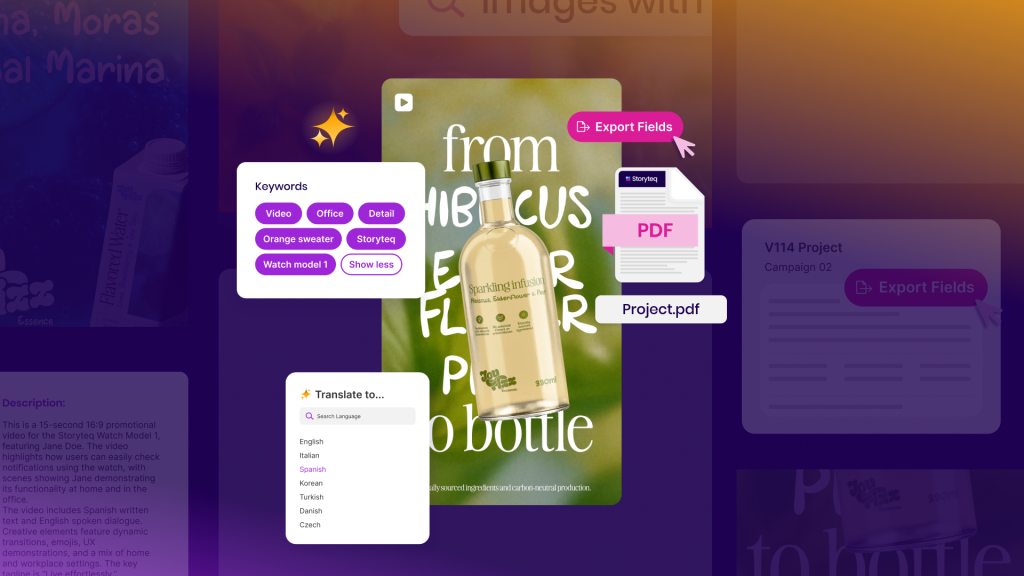
Smart tagging capabilities, particularly those enhanced with AI, automatically categorize assets as they’re uploaded. This reduces the manual work involved in asset management while improving searchability. For global teams, automatic language detection and translation of tags can be particularly useful.
Search functionality should include:
- Filtering by multiple criteria (asset type, campaign, market, date, etc.)
- Visual search capabilities to find similar images
- Natural language processing to understand search intent
- Saved search functionality for frequently used queries
The taxonomy structure should be flexible enough to accommodate different organizational needs while providing consistency. For global teams, the ability to view the taxonomy in different languages while maintaining the same underlying structure is particularly valuable.
How does workflow management in DAM systems improve global marketing operations?
Workflow management in DAM systems improves global marketing operations by streamlining approval processes, tracking content status, automating task assignments, and facilitating collaboration across international teams. These capabilities reduce time-to-market for campaigns while ensuring proper review across relevant stakeholders in different regions and time zones.
For global marketing teams, effective workflow management means being able to route assets to the right approvers based on content type, market, or campaign. Automated notifications keep projects moving forward even when team members are working in different time zones, reducing bottlenecks that typically slow down international marketing efforts.
Look for DAM systems that provide:
- Configurable approval workflows that can be adapted to different markets’ requirements
- In-platform commenting and feedback tools to centralize communication
- Version control that clearly indicates which assets are approved for which markets
- Status tracking that gives visibility into where assets are in the creation/approval process
- Integration with project management tools to align asset creation with campaign timelines
The best workflow management features should balance structure with flexibility, allowing your global teams to follow standardized processes while accommodating regional variations in review requirements or regulatory considerations.
What distribution and integration capabilities should you look for in a global DAM solution?
In a global DAM solution, look for distribution capabilities that include multi-channel publishing options, format conversion tools, content delivery networks, and robust API connections. These features ensure your assets can be seamlessly delivered to various platforms, markets, and channels while maintaining proper formatting and tracking usage across your global marketing ecosystem.
Asset transformation is particularly valuable for global teams who need to adapt content for different markets and platforms. Dynamic asset conversion allows teams to automatically resize, reformat, and even modify assets without needing access to design software, making localization more efficient.
Key distribution and integration features include:
- Direct publishing to social media platforms, websites, and advertising networks
- Template-based asset creation for quick localization
- Content delivery networks (CDNs) that optimize asset loading times globally
- Integration with marketing automation platforms, CMS systems, and creative tools
- Bulk download/upload functionality for managing large asset collections
For global operations, the ability to schedule content distribution according to different time zones and market schedules can significantly improve campaign coordination. Additionally, look for systems that track where and how assets are being used, providing valuable insights into content effectiveness across markets.
How do access control and permissions work in enterprise DAM platforms?
Access control and permissions in enterprise DAM platforms work through user role management, regional access settings, content restrictions, and governance features. These systems allow you to control who can view, download, edit, or distribute specific assets based on factors like team function, geographic region, brand ownership, or project involvement.
For global marketing teams, sophisticated permissions systems help maintain brand governance while still allowing appropriate flexibility. Role-based access ensures team members only interact with assets relevant to their function, while region-based permissions control which markets can access specific content.
Effective access control features include:
- Granular permission settings that can be applied at both folder and individual asset levels
- Market-specific access groups that align with your organizational structure
- Time-based permissions that control asset availability during campaign periods
- Watermarking and other protections for sensitive or unreleased content
- Usage rights management that prevents the inappropriate use of licensed materials
The balance between security and usability is particularly important. Look for systems that provide appropriate protections without creating unnecessary barriers that might tempt users to circumvent the DAM altogether.
What analytics and reporting should your DAM system provide for global marketing?
Your DAM system should provide analytics and reporting on asset usage, user activity, content performance, workflow efficiency, and ROI measurement. These insights help global marketing teams understand which assets resonate in different markets, identify content gaps, optimize workflows, and demonstrate the value of your digital asset investments across regions.
Usage tracking reveals which assets are most frequently accessed and used across different markets, helping you understand what types of content your teams find most valuable. This data can guide future content creation and help identify successful assets that might be repurposed for other regions.
Valuable analytics capabilities include:
- Asset popularity metrics across different markets and teams
- Search analysis to identify what content users are looking for but can’t find
- Workflow bottleneck identification to improve approval processes
- Integration with marketing performance platforms to connect asset usage with campaign results
- Storage utilization and system performance across global operations
Look for customizable reporting features that allow you to track the specific metrics that matter to your organization. The ability to share these reports with stakeholders helps demonstrate the DAM’s value and can justify further investment in your digital asset strategy.
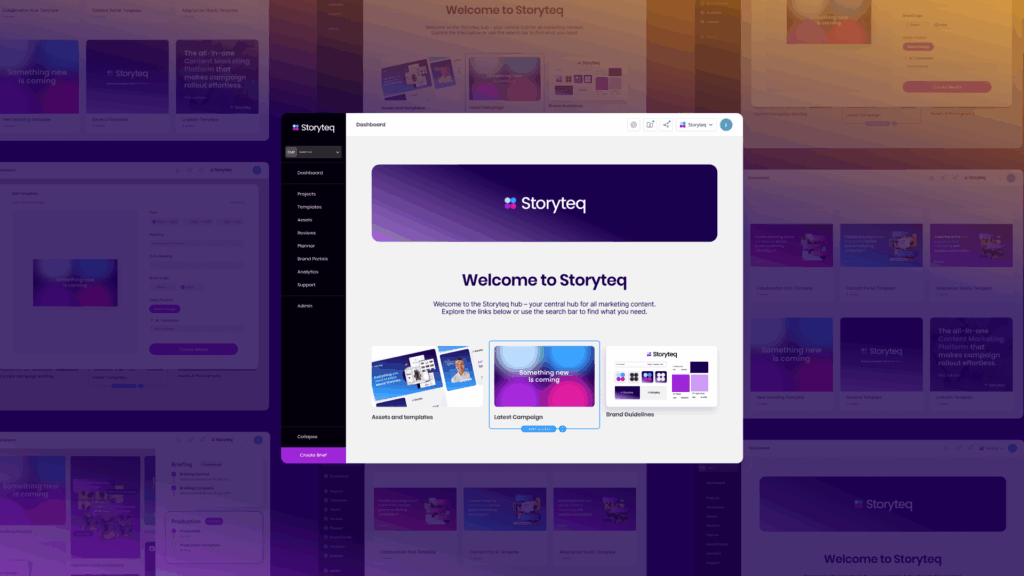
Effective DAM systems transform how global marketing teams work, turning what was once a fragmented process into a streamlined, efficient operation. At Storyteq, we understand the challenges global brands face in managing digital assets across markets and channels. Our Content Marketing Platform includes powerful DAM capabilities designed specifically for the needs of international marketing teams, helping you maintain brand consistency while enabling local relevance.
Ready to see how the right DAM solution can transform your global marketing operations? Request a demo today to discover how our platform can help you manage, distribute, and optimize your marketing assets across all your markets.
Frequently Asked Questions
How long does it typically take to implement a DAM system for a global marketing team?
Implementation timelines for global DAM systems typically range from 3-6 months, depending on your organization's size, complexity, and specific requirements. Start with a phased approach by focusing on core features and priority markets first, then gradually expand functionality and user adoption. Creating a detailed implementation plan with clear milestones, stakeholder buy-in, and dedicated training resources can significantly improve your timeline and success rate.
What are common mistakes companies make when selecting a DAM system for global use?
Common mistakes include prioritizing features over actual workflow needs, underestimating the importance of user experience across different regions, and failing to involve key stakeholders from various markets during the selection process. Many organizations also overlook scalability requirements, choosing systems that can't accommodate growing asset libraries or expanding into new markets. Additionally, companies often underestimate the resources needed for proper metadata strategy development and ongoing system administration, which are critical for long-term success.
How can we ensure user adoption of our DAM system across different global offices?
Successful user adoption requires a multi-faceted approach including localized training materials, region-specific champions who can provide peer support, and demonstrating clear workflow benefits for each team. Create market-specific onboarding programs that highlight how the DAM solves particular challenges faced by that region. Regularly gather feedback from users across different locations to identify adoption barriers, and consider implementing gamification or recognition programs to incentivize proper system use.
How should we approach migrating existing digital assets from multiple regional systems into a centralized DAM?
Start by conducting a comprehensive audit of existing assets across all systems, identifying what should be migrated versus archived or discarded. Develop a standardized metadata schema that accommodates regional differences while maintaining global consistency, and create a detailed migration plan with clear prioritization. Consider implementing the migration in phases by region or asset type, and allocate time for quality control checks after each phase. Having regional teams validate their migrated assets will help ensure nothing critical is missed during the transition.
What security considerations are particularly important for DAM systems used across different countries?
When implementing a DAM across different countries, you need to consider varying data privacy regulations (like GDPR in Europe), regional restrictions on content storage locations, and country-specific access requirements. Implement robust authentication methods with single sign-on capabilities that work across your global infrastructure while maintaining appropriate security standards. Additionally, ensure your DAM provides detailed audit logs for compliance reporting and supports regional data residency requirements if your organization handles sensitive information.
How can we measure the ROI of our DAM system for global marketing operations?
Measure DAM ROI by tracking both efficiency metrics and effectiveness outcomes across your global operations. Efficiency metrics include time saved in asset retrieval, reduction in duplicate asset creation, and decreased agency costs for asset management. Effectiveness outcomes focus on improved campaign performance due to faster time-to-market, increased asset reuse across regions, and enhanced brand consistency. Establish baseline measurements before implementation and regularly survey users about time savings to quantify the full value of your investment.
What integration considerations are most important when connecting a DAM to our existing martech stack across different regions?
When integrating a DAM with your global martech stack, prioritize compatibility with region-specific platforms, API flexibility, and authentication synchronization across systems. Consider how data flows between systems and ensure your integration strategy accounts for regional variations in workflow processes and compliance requirements. Develop a clear data governance framework that maintains consistency while allowing for necessary regional customizations, and implement robust error handling to prevent disruptions across your global operations.