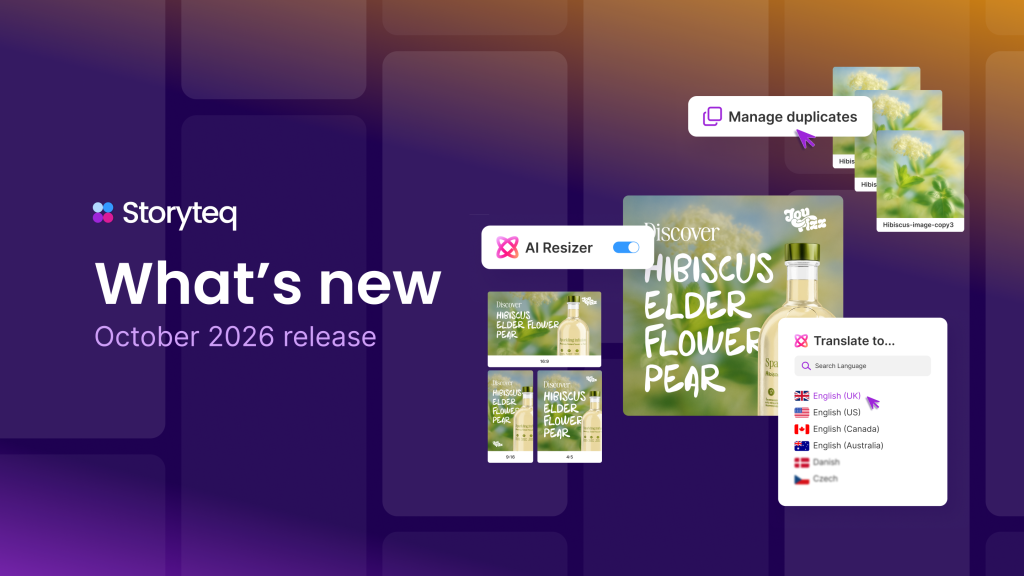



Content atomization in scalable production refers to breaking down large content pieces into smaller, reusable components that can be efficiently repurposed across multiple channels and formats. This strategic approach transforms traditional linear content creation into modular workflows, enabling marketing teams to produce exponentially more content without proportionally increasing resources. By systematically deconstructing content into atomic elements, brands achieve remarkable marketing efficiency while maintaining consistency across all touchpoints.
What is content atomization and why does it matter for modern marketing?
Content atomization is the systematic process of deconstructing comprehensive content pieces into smaller, modular components that can be independently repurposed and redistributed across various marketing channels. Rather than creating entirely new content for each platform, this approach involves breaking down a single piece of content into multiple formats, sizes, and variations while preserving the core message and brand identity.
This methodology matters tremendously for modern marketing because it directly addresses three critical challenges: resource optimization, audience fragmentation, and channel diversification. Marketing teams can transform one comprehensive piece of content into dozens of variations suitable for different platforms, audience segments, and consumption preferences.
The importance extends beyond simple efficiency gains. Today’s audiences consume content across multiple touchpoints throughout their customer journey, often preferring different formats at different stages. Content atomization enables brands to meet these diverse preferences without overwhelming their creative teams or budgets. A single webinar, for instance, can become blog posts, social media graphics, email sequences, podcast episodes, and video clips.
Furthermore, this approach supports the modern marketing requirement for personalization at scale. By creating modular content components, teams can mix and match elements to create targeted messaging for specific audience segments while maintaining overall campaign coherence and brand consistency across all customer interactions.
How does content atomization enable truly scalable production workflows?
Content atomization enables scalable production by transforming content creation from a linear, one-to-one process into a modular, one-to-many system. Instead of creating individual pieces for each channel, teams develop template-based frameworks where atomic content units can be automatically adapted and distributed across multiple platforms simultaneously through workflow automation.
Scalability emerges through systematic content architecture. When content is broken into standardized atomic units—such as key messages, visual elements, data points, and calls to action—these components can be recombined in countless variations without starting from scratch. This modular approach allows creative automation platforms to generate personalized content variations at machine speed.
Template-based systems form the backbone of this scalability. Rather than designing each piece individually, teams create intelligent templates that can automatically populate with different atomic content elements based on audience segments, channels, or campaign objectives. This enables exponential scaling because one template can generate hundreds of content variations.
The transformation becomes particularly powerful when integrated with content marketing automation tools. These systems can automatically select appropriate atomic elements, apply brand guidelines, and distribute content across channels based on predetermined rules and audience behaviors. What previously required hours of manual work can now be accomplished in minutes, enabling teams to focus on strategy and creativity rather than repetitive production tasks.
What are the key components that make content atomization successful?
Successful content atomization relies on five essential components that work together to ensure quality, consistency, and efficiency. These elements include robust content taxonomy systems, standardized formatting protocols, comprehensive metadata management, reliable version control, and quality assurance frameworks that maintain brand standards across all content applications.
Content taxonomy systems provide the foundational structure for organizing atomic elements. This involves creating clear categorization hierarchies that enable teams to quickly locate and utilize specific content components. Effective taxonomies include content type classifications, audience segment tags, channel specifications, and campaign associations that make content searchable and accessible.
Standardized formatting protocols ensure consistency across all content variations. These protocols define how atomic elements should be structured, sized, and formatted for different applications. This includes specifications for text length, image dimensions, color usage, typography, and messaging tone that maintain brand coherence regardless of how components are recombined.
Metadata management becomes crucial for tracking content performance and usage across multiple applications. Comprehensive metadata includes creation dates, usage rights, performance metrics, audience segments, and channel effectiveness data. This information enables teams to make informed decisions about which atomic elements work best in specific contexts.
Version control systems prevent confusion and ensure teams always work with current content elements. These systems track changes, maintain approval workflows, and provide clear audit trails for all content modifications. Quality assurance frameworks establish review processes that verify brand consistency, accuracy, and effectiveness before content deployment across any channel.
How do you implement content atomization without losing brand consistency?
Implementing content atomization while maintaining brand consistency requires establishing comprehensive brand guideline integration within your content production system. This involves embedding brand standards directly into your atomization workflows, ensuring that every content component automatically adheres to voice, visual identity, and messaging requirements regardless of how it’s recombined or repurposed.
Brand guideline integration starts with codifying your brand standards into actionable rules within your content management system. This includes defining approved color palettes, typography hierarchies, messaging frameworks, and tone guidelines that can be automatically applied to atomic content elements. These digital brand standards become the foundation that governs how content components can be combined and modified.
Approval workflows play a critical role in maintaining quality control throughout the atomization process. Establishing clear review stages where brand guardians can assess content variations before deployment ensures consistency without slowing production. These workflows should include automated checks for brand compliance alongside human review for strategic alignment and creative quality.
Governance structures provide the organizational framework that supports consistent implementation. This includes defining roles and responsibilities for content creation, review, and approval processes. Clear governance ensures that brand standards are consistently applied across teams and prevents the dilution that can occur when multiple people create content variations without proper oversight.
We recommend implementing content marketing automation platforms that embed these governance structures directly into the production workflow. This technology-enabled approach ensures that brand consistency becomes an automatic part of the atomization process rather than an additional step that teams might overlook during busy periods or tight deadlines.
How Storyteq enables scalable content atomization
Storyteq provides a comprehensive creative automation platform that transforms content atomization from concept into reality through intelligent template systems and automated workflows. The platform enables marketing teams to create master content templates that automatically generate thousands of variations while maintaining perfect brand consistency across all channels and touchpoints.
The solution addresses the core challenges of scalable content production through:
- Automated template systems that transform single content pieces into hundreds of channel-specific variations
- Built-in brand governance that ensures every atomized element adheres to your brand guidelines
- Real-time collaboration tools that streamline approval workflows and maintain quality control
- Advanced personalization capabilities that enable targeted content variations for specific audience segments
- Integrated analytics that track performance across all content variations to optimize future atomization strategies
Content atomization represents a fundamental shift towards more efficient, scalable content production that meets modern marketing demands. By breaking content into reusable components while maintaining strict brand governance, teams can achieve remarkable efficiency gains without sacrificing quality or consistency. Ready to transform your content production workflow? Discover how Storyteq can accelerate your content atomization strategy and unlock unprecedented marketing efficiency.