

Creative automation focuses on streamlining design and content production workflows using templates, rules, and systems to generate branded materials efficiently. AI content generation uses artificial intelligence to create original text, images, and multimedia content from scratch. While creative automation optimises existing processes and templates, AI content generation produces entirely new content using machine learning algorithms. Both technologies serve different aspects of modern marketing needs and can complement each other effectively.
What exactly is creative automation and how does it work?
Creative automation is a technology that streamlines the production of marketing materials by using predefined templates, brand guidelines, and automated workflows to generate content at scale. It works by establishing rules-based systems that can produce multiple variations of designs, advertisements, and marketing assets while maintaining brand consistency across all outputs.
The technology operates through several core functions within marketing workflows. Creative automation platforms store brand assets, fonts, colours, and design templates in centralised libraries. When marketers need new content, they input specific parameters such as product information, target audience details, or campaign messaging. The system then automatically generates branded materials that comply with established guidelines.
What distinguishes creative automation from general automation tools is its focus on design and creative production specifically. Rather than automating administrative tasks, it handles the complex process of maintaining visual brand consistency while producing personalised content variations. This includes automatically resizing designs for different platforms, swapping out product images, adjusting text for various audiences, and ensuring all outputs meet brand standards.
Creative technology platforms excel at managing the relationship between efficiency and brand control. They enable marketing teams to produce hundreds or thousands of content variations without requiring individual designer input for each piece, while ensuring every output maintains the quality and consistency that manual design processes typically provide.
What is AI content generation and what can it actually do?
AI content generation employs machine learning algorithms to create original marketing content from text descriptions or prompts. It can produce written copy, generate images, create videos, and develop multimedia content by analysing patterns in existing data and generating new material that matches specified requirements and styles.
The capabilities of AI marketing tools extend across multiple content formats. For text creation, AI can write product descriptions, email subject lines, social media posts, blog articles, and advertising copy. Visual AI tools can generate original images, illustrations, and graphics based on text descriptions. Advanced systems can create video content, design layouts, and even produce audio elements for multimedia campaigns.
Current applications in marketing contexts include personalising email content for different audience segments, creating product images for e-commerce catalogues, generating social media posts tailored to specific platforms, and producing multiple advertisement variations for testing purposes. AI content generation excels at creating large volumes of diverse content quickly, making it valuable for campaigns requiring extensive personalisation or testing.
However, the technology has notable limitations. AI-generated content often requires human review and editing to ensure accuracy, brand alignment, and strategic messaging. The quality can vary significantly depending on the complexity of requirements, and the technology may struggle with nuanced brand voice or highly specialised industry knowledge. Most successful implementations combine AI generation with human oversight and refinement processes.
What’s the main difference between creative automation and AI content generation?
Creative automation optimises existing creative processes and templates, while AI content generation creates entirely new content from scratch. Creative automation works within established brand frameworks to produce variations efficiently, whereas AI content generation uses machine learning to produce original material that may require additional refinement to meet brand standards.
The fundamental distinction lies in their approach to content creation. Creative automation platforms function as sophisticated production systems that take existing design templates, brand assets, and content frameworks to generate variations systematically. They excel at maintaining consistency because they operate within predefined parameters and established creative guidelines.
AI content generation operates differently by analysing patterns in training data to create original content that did not previously exist. This technology can produce novel ideas, unique visual concepts, and fresh written content, but it requires more oversight to ensure the output aligns with specific brand requirements and strategic objectives.
Each technology serves different aspects of the content creation process. Creative automation addresses efficiency and consistency challenges in marketing workflows, making it ideal for campaigns requiring multiple format variations or personalised versions of established creative concepts. AI content generation addresses creativity and volume challenges, particularly useful when teams need fresh ideas, extensive content libraries, or rapid prototyping capabilities.
The output quality and control mechanisms also differ significantly. Creative automation produces predictable, on-brand results because it works within established creative frameworks. AI content generation offers more creative possibilities but with less predictable results, often requiring iterative refinement to achieve desired outcomes.
Which approach should you choose for your marketing needs?
Choose creative automation when you need consistent, on-brand content production at scale with established design templates and brand guidelines. Select AI content generation when you require original content ideas, extensive content volumes, or creative exploration beyond existing brand frameworks. Many successful marketing strategies combine both approaches strategically.
Evaluating your business requirements involves assessing several key factors. Consider your current content production volume, the consistency requirements for your brand, available design resources, and the level of creative exploration your campaigns require. Teams with strong brand guidelines and established creative frameworks typically benefit more from creative automation, while those needing fresh content ideas or rapid content expansion often find AI content generation more valuable.
Team capabilities play a crucial role in technology selection. Creative automation requires initial setup of templates and brand systems but then operates with minimal ongoing creative input. AI content generation demands more active oversight, editing capabilities, and strategic guidance to ensure outputs meet brand and quality standards.
Content goals should guide your decision-making framework. For campaigns prioritising brand consistency, multi-format distribution, and efficient production workflows, creative automation platforms provide better alignment. For initiatives requiring content experimentation, rapid ideation, or extensive personalisation beyond template variations, AI content generation offers more appropriate capabilities.
The most effective approach often involves using both technologies complementarily. Creative automation can handle systematic content production needs while AI content generation supports ideation and content expansion requirements. This combination allows marketing teams to maintain efficiency and consistency while accessing creative possibilities that individual technologies cannot provide independently.
How Storyteq helps with creative automation and AI content integration
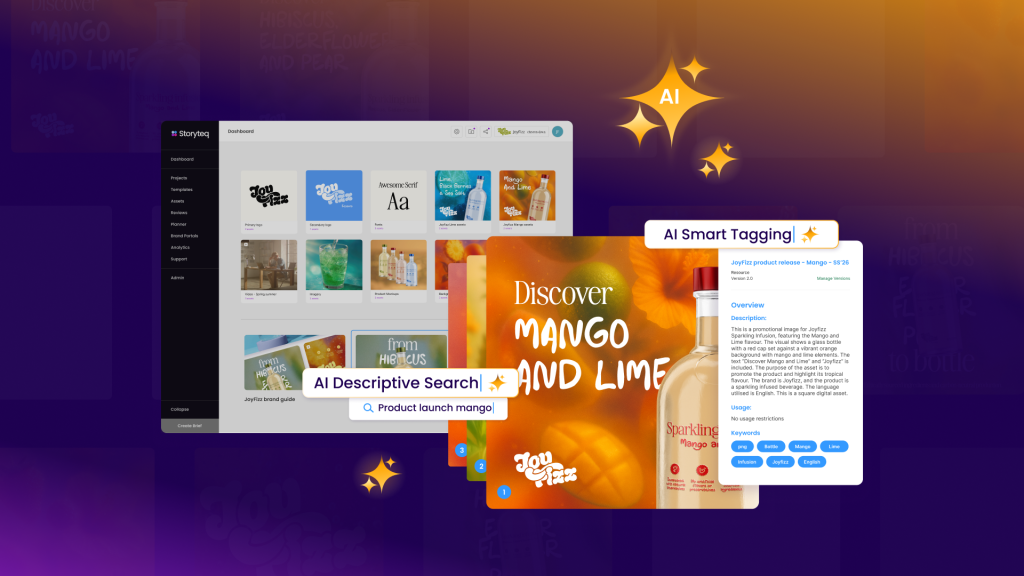
Storyteq provides a comprehensive creative automation platform that bridges the gap between traditional template-based production and modern AI-enhanced content creation. Our solution combines the reliability of rule-based creative automation with intelligent features that streamline your entire content workflow.
Key benefits of our platform include:
- Centralised brand asset management with automated compliance checking
- Template-driven production that maintains consistency across all channels
- Seamless integration capabilities with AI content generation tools
- Real-time collaboration features for creative teams and stakeholders
- Advanced personalisation options that scale efficiently
- Multi-format output generation for all digital and print channels
Ready to transform your creative production workflow? Discover how Storyteq can help you achieve both the efficiency of creative automation and the flexibility to integrate AI-generated content seamlessly into your marketing operations.