

Why your DAM Selection Must Be a Strategic Decision in 2026
Global campaign delivery has never been more complex. Assets are scattered across systems, versions multiply across markets and channels, and marketing teams waste valuable time searching for files instead of launching great work.
In 2026, Digital Asset Management (DAM) is no longer just storage — it has become the intelligent engine powering modern marketing operations. The right enterprise DAM enables teams to discover, adapt, govern and activate optimized brand assets at scale across every channel and region.
Choosing the best DAM software is no longer an IT or procurement exercise. It’s a strategic growth decision that directly impacts speed-to-market, brand consistency and content ROI. For most large organizations, this process begins with a well-structured DAM RFP (Request for Proposal).
This guide will help you:
- Understand what a truly modern enterprise DAM must deliver in 2026
- Build the right criteria into your DAM RFP
- Separate legacy systems from future-ready platforms
- Select a solution that accelerates campaigns rather than creating new bottlenecks
What Is Digital Asset Management (DAM) for Modern Marketing Teams?
Digital Asset Management (DAM) is the centralized system that stores, organizes and distributes your brand assets.
However, for enterprise marketing teams in 2026, a digital warehouse is no longer enough.
A modern DAM must serve as the single source of truth for assets, brand guidelines, templates and campaigns — delivering the right content, in the right format, to the right teams at the right time, while maintaining full governance and control.
Here’s what to look for in a modern enterprise DAM:
- Intelligent discovery that eliminates endless searching
- Built-in governance that keeps every market and channel on brand by default
- Seamless activation across every channel
- Deep integration into marketing workflows and tools
In short: Today’s DAM isn’t just about managing files — it’s about making governed, high-performing content usable at scale.
Why Traditional DAMs Fail Enterprise Marketing Teams
Most organizations already have a DAM in place, yet many still struggle to realize its full value. The core issue is that traditional DAMs were designed primarily for storage, not for activation at enterprise scale.
This creates several persistent problems:
1. Storage Without Impact
Assets sit in the system, but poor discoverability and lack of intelligence mean teams rarely maximize their value.
2. Fragmented Workflows
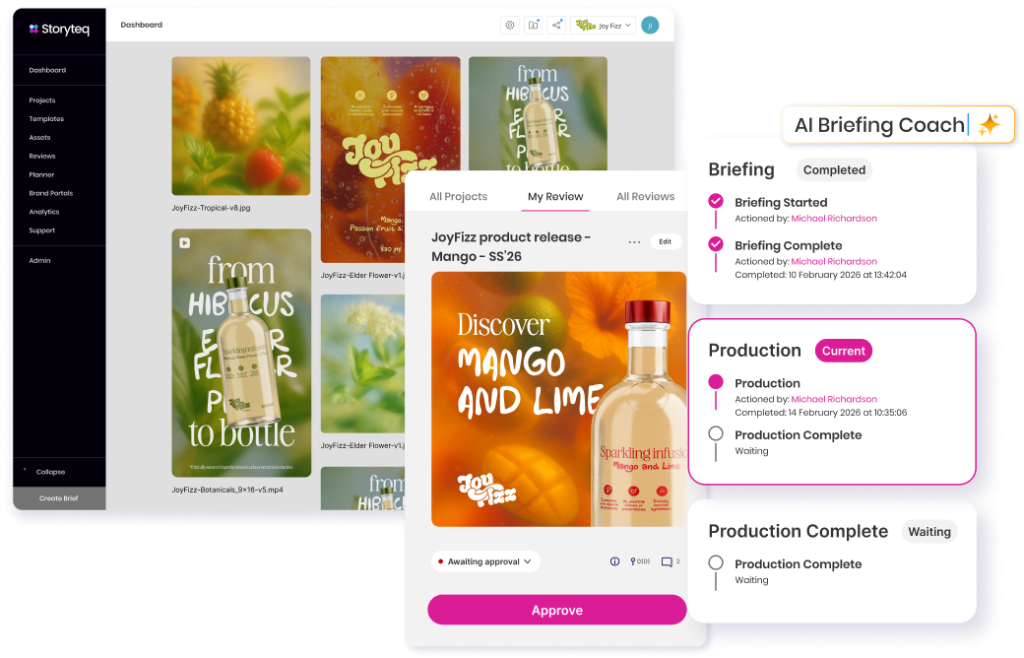
Planning, briefing, approvals, adaptation and distribution often happen outside the DAM, leading to silos, duplication and slower campaign cycles.
3. Manual Processes at Scale
Reliance on human tagging and manual versioning creates inconsistency, weak search and low user adoption.
4. Limited Localization & Adaptation
Global teams depend on central resources for every change, creating bottlenecks and preventing strong localization.
The result is predictable: marketing teams spend more time managing content than activating it. Campaigns slow down, costs increase, and content performance suffers.
The Rise of Intelligent DAM: What “Best DAM Software 2026” Really Means
The DAM category has evolved significantly. In 2026, searching for the “best DAM software” is no longer just about feature checklists — it’s about intelligence, activation speed and the ability to orchestrate content operations efficiently.
Leading platforms are moving from passive storage toward active content intelligence.
What defines a truly intelligent AI-powered DAM today?
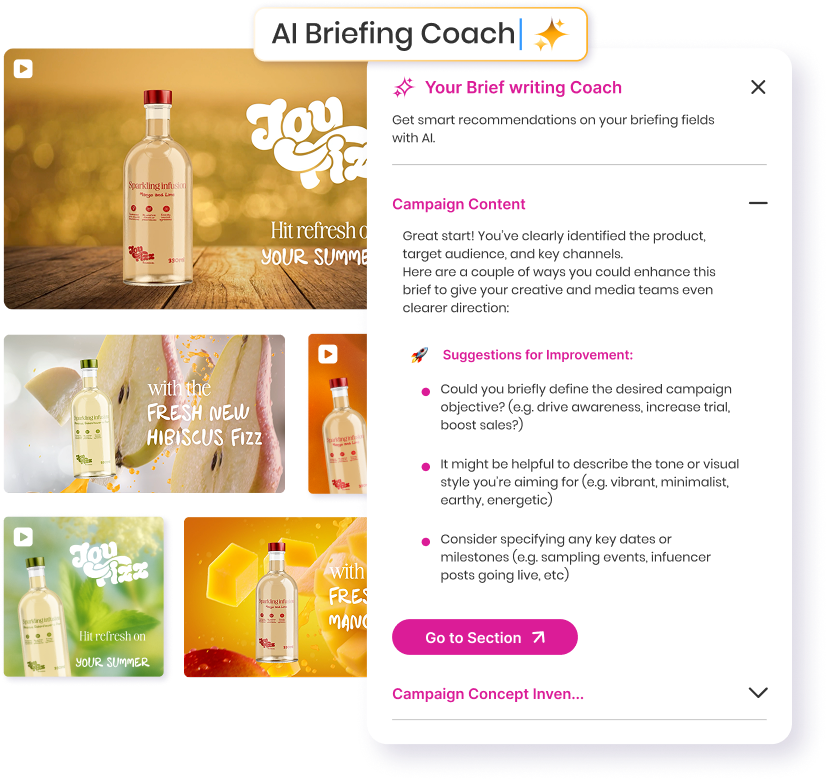
- Object-level intelligence that understands individual elements within an asset (such as logos, products, backgrounds, or text) as distinct, editable objects — enabling not only superior findability, but also precise, on-brand adaptations and variations while maintaining full governance
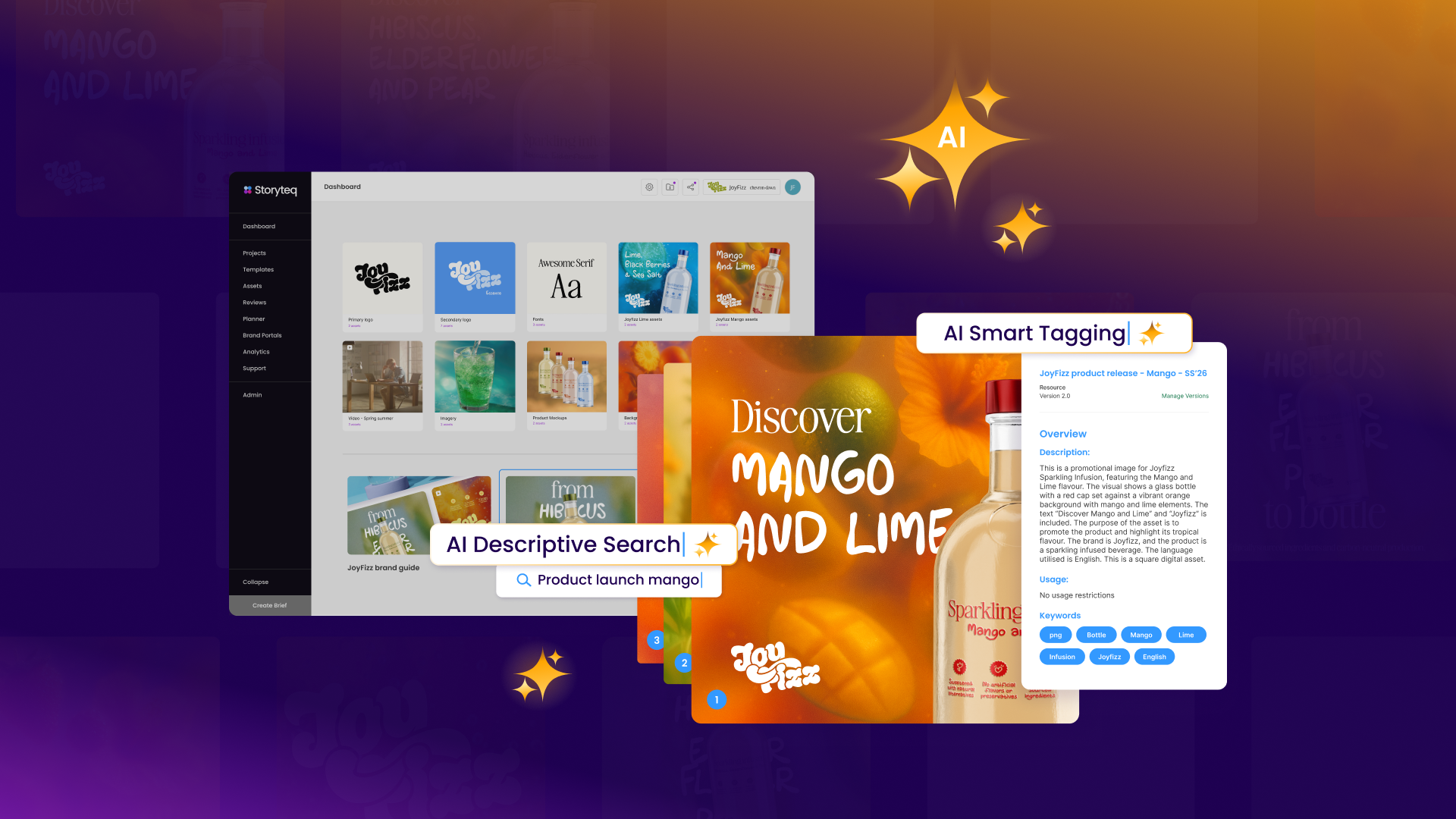
- Natural language search so teams can find assets by describing them
- Automated versioning — governed adaptation and localization at scale to guarantee brand and regulatory compliance
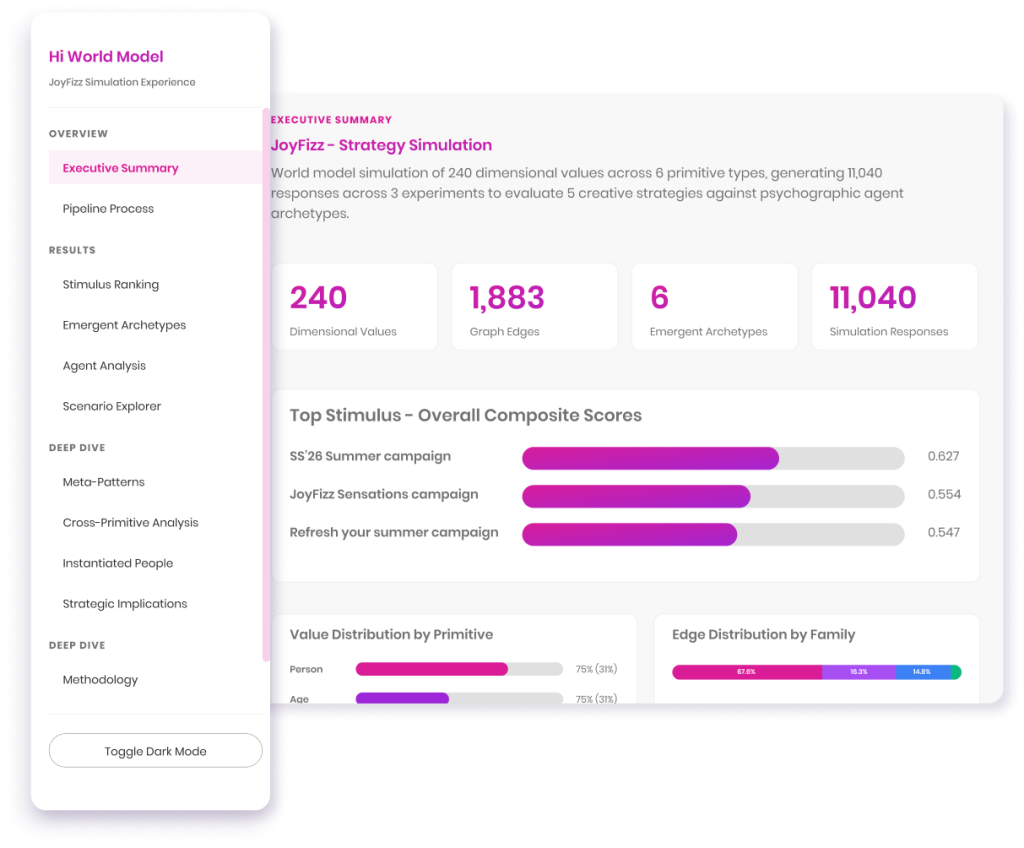
- Performance insights that understand how well content has worked for whom and under what circumstances
- Predictive capabilities that recommend the right assets or actions at the right time
This shift transforms the DAM from a static repository into an active intelligence layer — one that understands and enriches your content to drive measurable improvements in speed, consistency and performance.
Criteria to Include in a Modern DAM RFP
Your DAM RFP will define the success (or limitations) of your content operations for years to come. Here are the seven essential criteria every enterprise DAM RFP should include in 2026:
1. Asset Intelligence (Beyond Basic Metadata)
Demand more than manual tagging. Look for:
- AI-generated, multi-layer metadata that deeply understands each asset
- Object-level intelligence for precise search, reuse and to support content adaptation at scale
- Context-aware search that makes every asset instantly discoverable and actionable
If assets aren’t instantly discoverable, they won’t be used, and value plummets.
2. Creative Adaptation & Localization at Scale
Global brands need more than rigid templates. Look for platforms that combine template-driven efficiency with flexible, governed adaptation:
- Intelligent template-driven asset adaptation with access to strictly governed generative AI tools
- Self-serve localization tools for local markets
- Automated formatting across channels while preserving brand integrity
This is how you remove bottlenecks and accelerate rollout.
3. Brand Governance at Scale
Governance must be proactive, not reactive. Prioritize:
- Structured approval workflows with clear accountability and role-based access controls
- Version control with full audit trails and policy enforcement
- Robust brand governance tools to ensure consistency and reduce compliance risk
This ensures the right assets are used in the right way.
4. Activation & Distribution
A DAM should never be an endpoint. Look for strong activation capabilities including:
- API-first architecture with event-driven integration (an action in one system automatically triggers an action in another)
- Direct publishing and distribution to marketing and advertising channels
- Seamless connectivity with your broader martech and creative stack
Help your content flow, not sit still.
5. Workflow & Collaboration
The best DAMs support the full content lifecycle. Seek platforms that provide:
- End-to-end workflow support from briefing to deployment
- Integrated review and approval processes with cross-team visibility
- Deep integrations and embedded collaboration features that mean you’re not constantly changing platforms
Less tool-switching. Less waiting. Faster delivery.
6. Insights & Performance Intelligence
Content decisions should be driven by data, not guesswork. Choose platforms that deliver:
- Comprehensive tracking of asset usage across channels
- Actionable performance insights and analytics
- Predictive recommendations to optimize future content performance
Turning content into a measurable growth driver while maximizing asset value.
7. Security, Compliance & Enterprise Scalability
Enterprise-grade security and scalability are non-negotiable. Ensure your DAM offers:
- Granular permissions and advanced access controls
- Robust regulatory compliance and audit capabilities
- Proven ability to scale across high asset volumes, multiple regions and complex global operations
Including these criteria will help you avoid investing in yesterday’s solutions and instead select a platform built for the future.
How Leading Brands Structure a DAM RFP That Delivers Value
The strongest DAM RFPs go beyond listing features. Leading teams approach the process with these principles:
1. Start with real workflows
Map how content actually moves through your organization today, not how it should work in theory.
2. Focus on measurable business outcomes
Don’t look for isolated features. Prioritize impact:
- Faster time-to-market
- Lower production costs
- Improved content performance
Your DAM shouldn’t simply help you produce more content; it should help you produce better, faster, cheaper content.
3. Involve the full ecosystem
Bring in global teams, local markets and agency partners early. Pressure-test vendors with realistic scale scenarios: high asset volumes, complex multi-market campaigns and demanding governance requirements.
4. Validate at Scale
Push vendors to prove they can handle:
- High asset volumes
- Multiple markets
- Complex workflows
Why Storyteq Is Built for Enterprise DAM in 2026
Modern enterprise marketing teams need more than a sophisticated DAM — they need a platform that intelligently connects and orchestrates the entire content lifecycle, from discovery and adaptation through to governed activation and continuous optimization.
Unlike many platforms that started as separate DAM and workflow tools and were later integrated, Storyteq was designed from the ground up as a single, unified platform with one shared, intelligent data backbone. This architectural advantage enables deeper asset intelligence, stronger governance, smoother collaboration and faster, more consistent activation at scale.
Everything in Storyteq is highly configurable — from briefing templates and workflow stages to approval milestones, brand rules and even the user experience. The platform adapts to your specific processes and team structures rather than forcing you to adapt to it.
What sets apart Storyteq’s intelligent Digital Asset Management?
- Deep Asset Intelligence: Object-level AI understanding enriches every asset with multi-layer metadata, making discovery effortless and highly contextual.
- Natural Language & Context-Aware Search: Find exactly what you need by describing it — without relying on manual tagging.
- Governed Creative Adaptation at Scale: Intelligent template-driven asset adaptation combined with access to strictly governed generative AI tools — enabling rapid, on-brand variations for every channel and market.
- Brand Portals with Controlled Flexibility: Gives local teams the freedom to create relevant content quickly, without compromising central brand control.
- Seamless, Connected Workflows: Bring briefing, review, approval, adaptation and deployment into one governed flow — reducing friction and accelerating execution.
- Built-in Performance Intelligence: Track asset performance across channels and use those insights to drive smarter recommendations and continuous optimization.
Storyteq goes beyond traditional DAM capabilities by acting as the intelligent, AI-powered backbone of your content operations. Our unified architecture, combined with expert tailoring and hands-on support — before, during and after implementation — helps ambitious brands build more efficient, consistent and high-performing content operations.
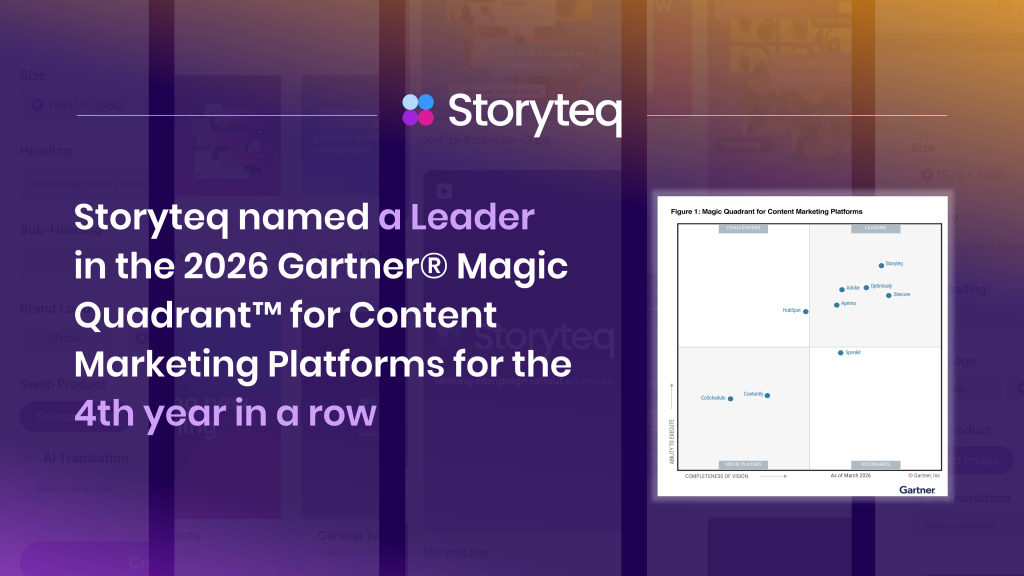
Did you know? Storyteq has been named a Gartner® Magic Quadrant Leader for Digital Asset Management two years running, and a Leader in Content Marketing Platforms for the past four years.
Download the 2026 Gartner Magic Quadrant for Content Marketing Platforms.
“A big reason Storyteq continues to be recognized as a Leader in the Gartner Magic Quadrants for DAM and CMP is that we didn’t just bolt AI on to a traditional DAM — we built a single, unified platform from the ground up with one intelligent data backbone.
This allows us to deliver deep asset intelligence, strictly governed generative AI and seamless orchestration — all focused on solving real marketing problems.
John Kirk, Chief Strategy Officer, ITG powered by Storyteq
Preparing for Your DAM RFP: Final Checklist
Before issuing your RFP, make sure you’ve clearly defined:
- The business outcomes you want to achieve (not just system requirements)
- Where intelligent automation and AI can deliver the greatest value
- How governance and compliance will scale across global operations
- How the DAM integrates with your existing martech and creative stack
- What success looks like and how you will measure it
Get these fundamentals right and your DAM investment becomes a true competitive advantage rather than another point solution.
Planning a DAM RFP in 2026? Contact Storyteq Now.
Choosing the right DAM is about building the intelligent infrastructure that powers how your organization creates, governs and activates content at scale. Focus on solutions where intelligence, governance and activation work together seamlessly.
Get the DAM RFP process right and you’ll:
- Shortlist faster
- Reduce the risk of future re-platforming
- Choose a platform designed for scale and sustained growth
Got an upcoming DAM RFP? We’ll work with you to build a tailored solution, backed by an experienced team committed to helping you maximize our technology’s potential.
When your DAM combines deep intelligence, strong governance and seamless activation, content stops being a bottleneck and becomes your strongest competitive advantage.