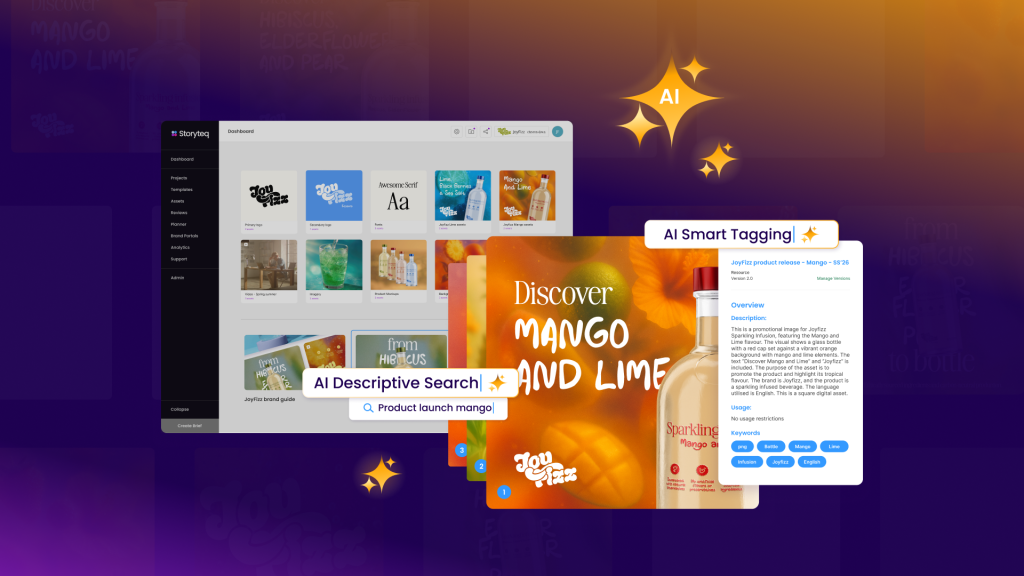


Small businesses should consider investing in creative workflow automation when they regularly produce marketing materials and face time constraints. Creative workflow automation streamlines repetitive design tasks, reduces manual errors, and enables consistent brand messaging across all materials. For resource-limited small businesses, automation tools can significantly improve productivity while maintaining professional quality standards, without requiring additional staff or extensive design expertise.
What is creative workflow automation and why should small businesses consider it?
Creative workflow automation uses technology to streamline repetitive design and content creation tasks. It automatically generates marketing materials such as social media posts, advertisements, and branded content using predefined templates and brand guidelines. Small businesses benefit from reduced manual work, consistent branding, and faster content production without hiring additional creative staff.
The technology works by connecting design templates with data sources, automatically populating content with relevant information while maintaining brand consistency. This approach particularly benefits small businesses that need regular marketing materials but lack dedicated design resources.
Workflow automation tools handle tasks such as resizing images for different platforms, updating promotional materials with new offers, and creating personalised content variations. Small businesses can produce professional-quality materials in minutes rather than hours, allowing teams to focus on strategy and customer engagement instead of repetitive design work.
How much does creative workflow automation actually cost for small businesses?
Creative workflow automation tools typically cost between £50 and £500 per month for small businesses, depending on features and usage volume. Basic platforms start at around £50 to £150 per month, while comprehensive solutions with advanced automation capabilities range from £200 to £500. Most providers offer subscription-based pricing with different tiers based on team size and feature requirements.
Subscription models provide predictable monthly costs and regular updates, making them suitable for small business automation budgets. Some platforms charge per user, while others base pricing on output volume or available templates.
Hidden expenses include training time, template setup costs, and potential integration fees with existing systems. Small businesses should budget for 10 to 20 hours of initial setup and staff training. Additional costs may arise from premium templates, extra storage, or advanced features such as API integrations with existing marketing tools.
What are the main benefits small businesses see from automating creative workflows?
Small businesses experience significant time savings, improved brand consistency, and increased creative output capacity through automation. Automated creative processes can reduce production time by 60–80% for routine materials, eliminate manual formatting errors, and ensure all content follows brand guidelines. Teams can focus on strategic activities rather than repetitive design tasks.
Brand consistency improves dramatically when automation enforces colour schemes, fonts, and layout standards across all materials. This professional appearance builds customer trust and recognition without requiring design expertise from every team member.
Faster turnaround times enable small businesses to respond quickly to market opportunities and maintain regular communication with customers. Marketing automation for small business allows teams to produce multiple content variations for different audiences without proportional increases in time investment or staffing requirements.
How do you know if your small business is ready for creative workflow automation?
Small businesses are ready for automation when they regularly create similar marketing materials, spend significant time on repetitive design tasks, or struggle with brand consistency across different team members. Companies producing weekly social media content, regular promotional materials, or seasonal campaigns typically benefit most from creative process automation.
Team size considerations include having at least one person who is comfortable with technology and sufficient content creation volume to justify the investment. Businesses creating fewer than 10 pieces of marketing content per month may not see significant returns from automation tools.
Clear indicators include team members spending more than five hours per week on routine design tasks, inconsistent branding across materials, or delays in launching campaigns due to content creation bottlenecks. Workflow management for small business becomes essential when manual processes limit growth or market responsiveness.
What should small businesses look for when choosing creative workflow automation tools?
Small businesses should prioritise user-friendly interfaces, template variety, and integration capabilities with existing systems. Essential features include drag-and-drop editing, brand asset management, and automated resizing for different platforms. Creative workflow efficiency depends on tools that team members can use without extensive training or a design background.
Integration requirements include compatibility with current marketing platforms, social media schedulers, and content management systems. Seamless data flow between tools prevents manual work and reduces errors in automated processes.
Scalability considerations ensure the platform can grow with business needs without requiring complete system changes. Look for flexible pricing tiers, expanding template libraries, and advanced features that become available as requirements evolve. Small business productivity improves most when automation tools adapt to changing needs rather than imposing rigid limitations on creative output.
How Storyteq streamlines creative workflow automation
Storyteq provides a comprehensive creative automation platform specifically designed to address the challenges small businesses face with content production and brand consistency. The platform offers:
- Intuitive template creation with drag-and-drop functionality that requires no design expertise
- Automated brand compliance ensuring consistent colours, fonts, and layouts across all materials
- Multi-format output that automatically generates content for social media, print, and digital platforms
- Data-driven personalisation for creating targeted campaigns at scale
- Seamless integration with existing marketing tools and workflows
The platform eliminates the time-consuming process of manually creating and resizing marketing materials while maintaining professional quality standards. Small businesses can reduce their content production time by up to 80% while ensuring every piece of content aligns perfectly with their brand guidelines. Discover how Storyteq can transform your creative workflow and boost your marketing efficiency today.