

Digital asset management has evolved far beyond simple file storage. Modern organizations need systems that not only store their creative assets but also streamline workflows, maintain brand consistency, and provide actionable insights. Understanding the difference between DAM systems and best practices helps you build a foundation for successful content marketing at scale.
The right approach combines robust technology with proven methodologies. While DAM systems provide the infrastructure, best practices ensure you maximize their value and avoid common pitfalls that lead to underutilized platforms and fragmented workflows.
What Is Digital Asset Management and How Does It Work?
Digital Asset Management (DAM) is a centralized system that stores, organizes, and distributes digital content like images, videos, documents, and brand assets. It works by creating a single source of truth where teams can upload, search, preview, and share approved content while maintaining version control and usage rights.
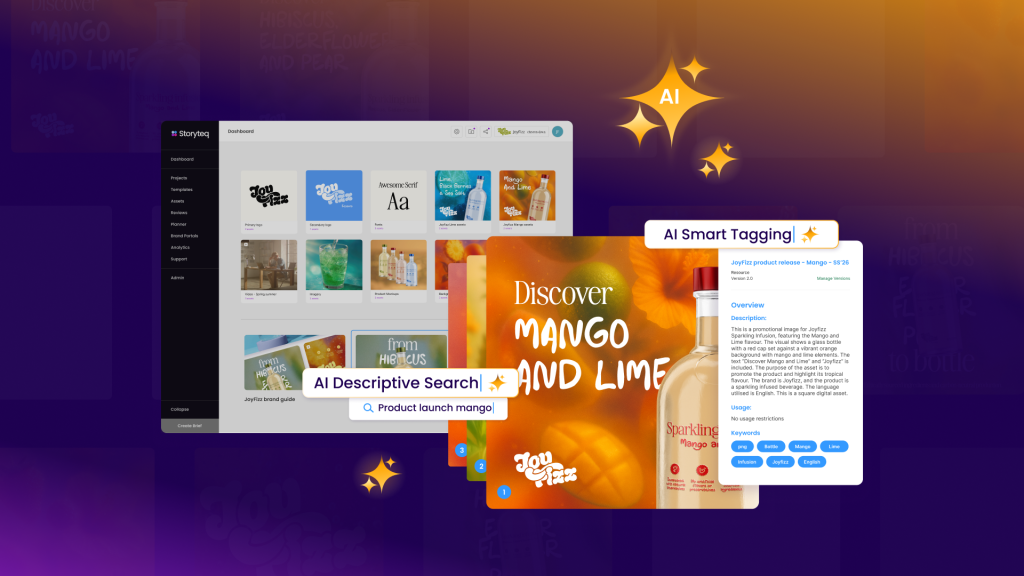
Modern DAM systems go beyond basic storage functionality. They integrate with your existing marketing technology stack to create seamless workflows from asset creation to distribution. Advanced platforms include features like automated tagging, brand compliance checks, and performance analytics that help you understand which assets drive the best results.
The workflow typically starts with content upload and automatic metadata generation. Users can then search and filter assets using various criteria, including keywords, file types, campaigns, or even visual elements like colors and composition. Approval workflows ensure only brand-compliant content reaches your audience, while integration capabilities push approved assets directly to publishing platforms and marketing channels.
Analytics and reporting features track asset usage across different channels and campaigns. This data helps you identify high-performing content, optimize your creative strategy, and make informed decisions about future asset production.
What’s the Difference Between DAM Systems and Best Practices?
DAM systems are the technology platforms that provide the infrastructure for asset management, while best practices are the strategic approaches and methodologies you use to maximize their effectiveness. The system is the tool; best practices are how you use it successfully.
Many organizations focus heavily on selecting the right DAM platform but neglect the operational framework needed to drive adoption and results. A powerful system becomes ineffective without proper governance, clear workflows, and user training. Conversely, even basic DAM functionality can deliver significant value when supported by strong best practices.
DAM systems typically include features like:
- Cloud-based storage with advanced search capabilities
- Automated metadata tagging and AI-powered organization
- Integration with creative tools and marketing platforms
- Version control and approval workflows
- Usage analytics and performance reporting
Best practices encompass the human and process elements:
- Establishing clear governance policies and user permissions
- Creating consistent naming conventions and folder structures
- Training teams on system functionality and workflows
- Regular content audits and archive management
- Measuring success through adoption metrics and business impact
The most successful DAM implementations combine advanced system capabilities with disciplined operational practices. This approach ensures your investment delivers measurable business value rather than becoming another underutilized technology tool.
What Are the Essential Digital Asset Management Best Practices?
Digital asset management best practices include establishing clear governance policies, implementing consistent naming conventions, creating intuitive folder structures, training users thoroughly, and regularly auditing content performance. These practices ensure high adoption rates and maximize your DAM investment’s business impact.
Successful DAM implementation starts with governance. Define who can upload, edit, and approve different types of content. Establish clear guidelines for file naming, metadata requirements, and folder organization. This structure prevents the chaos that often develops when multiple teams use the system without coordination.
Content Organization and Metadata Standards
Create a logical folder hierarchy that reflects your business structure and campaign organization. Use consistent naming conventions that include relevant details like campaign names, dates, and asset types. Implement comprehensive metadata standards that make assets easily discoverable through search.
Automated tagging capabilities help maintain consistency, but human oversight remains important for quality control. Train content creators to add relevant keywords, campaign tags, and usage rights information when uploading assets.
Workflow Integration and Approval Processes
Design approval workflows that match your existing creative processes. Avoid creating bottlenecks by clearly defining roles and responsibilities at each stage. Integrate your DAM with creative tools so designers can access assets without switching platforms.
Set up automated notifications for pending approvals and deadline reminders. This keeps projects moving while maintaining quality control and brand compliance.
User Training and Adoption
Invest in comprehensive user training that covers both basic functionality and advanced features. Create role-specific training materials that focus on how different team members will use the system. Regular refresher sessions help maintain high adoption rates as your team grows.
Monitor usage analytics to identify areas where additional training might be needed. Low search success rates or abandoned uploads often indicate users need more support with specific features.
How Do You Choose the Right DAM System for Your Organization?
Choose a DAM system by evaluating your content volume, user needs, integration requirements, and growth plans. The right platform should handle your current asset library while scaling to support future content demands and workflow complexity.
Start by auditing your existing content ecosystem. Count your digital assets, identify file types and sizes, and map your current workflows. This baseline helps you understand the scope of functionality you need and avoid over-investing in features you won’t use.
Integration Capabilities
Modern DAM systems must integrate seamlessly with your existing marketing technology stack. Look for platforms that connect with your creative tools, content management systems, social media schedulers, and advertising platforms. Native integrations reduce manual work and prevent the data silos that fragment traditional workflows.
API availability becomes important if you use specialized tools or custom applications. Open APIs give you flexibility to create custom integrations that match your unique business processes.
Scalability and Performance
Consider both storage scalability and user scalability. Your chosen platform should handle growing file sizes and increasing user counts without performance degradation. Cloud-based solutions typically offer more flexibility than on-premises systems for scaling resources up or down based on demand.
Evaluate search performance with large asset libraries. Advanced search capabilities, including visual search, AI-powered recommendations, and faceted filtering, become more important as your content volume grows.
Security and Compliance Requirements
Review security features, including user permissions, access controls, and audit trails. If you work with sensitive content or operate in regulated industries, ensure the platform meets your compliance requirements for data protection and retention.
Consider geographic data residency requirements if you operate internationally. Some organizations need content stored in specific regions to comply with local data protection laws.
How Do You Implement DAM Best Practices Successfully?
Implement DAM best practices successfully by starting with a pilot program, establishing clear governance from day one, training users thoroughly, and measuring adoption metrics consistently. Phased rollouts allow you to refine processes before scaling to your entire organization.
Begin implementation with a small group of power users who can provide feedback and become internal champions. This approach helps you identify workflow issues and refine your governance policies before broader deployment. Early wins with pilot users create momentum for organization-wide adoption.
Governance Framework Development
Create detailed governance documentation that covers user roles, content approval processes, naming conventions, and metadata requirements. Make this information easily accessible and regularly updated as your processes evolve.
Assign clear ownership for different aspects of DAM management. Designate content administrators, workflow managers, and user support contacts. This distributed responsibility model prevents bottlenecks while maintaining accountability.
Change Management and User Adoption
Treat DAM implementation as a change management initiative, not just a technology deployment. Communicate the benefits clearly to different user groups and address concerns proactively. Show users how the new system will make their daily work easier and more efficient.
Create incentives for early adoption and recognize teams that embrace the new workflows. Share success stories and usage metrics to demonstrate the platform’s growing value to your organization.
Continuous Optimization
Monitor system usage and performance metrics regularly. Track search success rates, asset download volumes, and user engagement to identify areas for improvement. Regular content audits help you remove outdated assets and optimize your folder structures.
Gather user feedback through surveys and focus groups. Your team’s daily experience with the system provides valuable insights for optimizing workflows and identifying additional training needs.
How Storyteq Helps with Digital Asset Management Best Practices
We provide an end-to-end creative marketing platform that combines advanced DAM capabilities with the workflow tools you need to implement best practices successfully. Our ActiveDAM solution transforms traditional asset storage into a proactive content management system that drives campaign performance.
Our platform addresses the common challenges that prevent successful DAM implementation:
- Integrated workflow management: Connect asset storage with approval processes, brand guidelines, and publishing workflows in one platform
- AI-powered organization: Automated tagging and intelligent search capabilities help users find the right assets quickly
- Real-time performance insights: Track asset usage and campaign performance to optimize your content strategy
- Global brand consistency: Brand portals and automated compliance checks ensure on-brand content across all markets
- Seamless integrations: Native connections with creative tools and marketing platforms eliminate workflow bottlenecks
Global brands like Heineken, BMW, and ASOS use our platform to streamline their creative operations and maintain brand consistency at scale. Request a demo to see how we can help you implement digital asset management best practices that drive measurable business results.