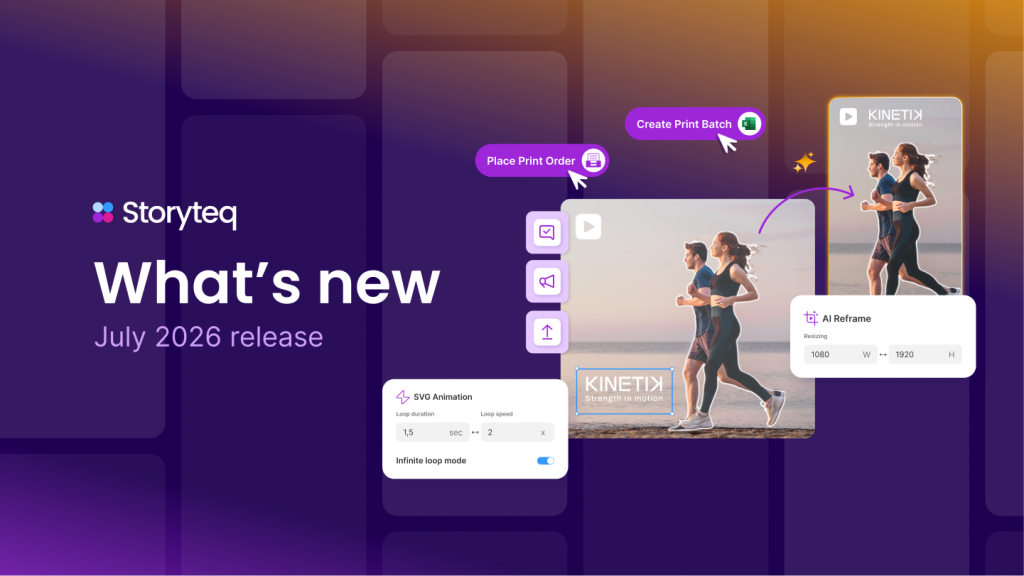



A scalable content production system is built through automation, standardised workflows, and integrated technology that allow content volume to increase without proportionally increasing resources or compromising quality. It combines template-based creation, streamlined approval processes, and efficient distribution channels to maintain consistent output as demand grows.
What makes a content production system truly scalable?
A truly scalable content production system can handle increased content volume without requiring proportional increases in time, resources, or manual effort. The key characteristics include automated workflows that eliminate repetitive tasks, standardised processes that ensure consistency, and flexible infrastructure that adapts to growing demands.
Traditional content creation approaches rely heavily on manual processes, individual creativity for each piece, and custom workflows for different content types. Scalable systems, by contrast, use template-based creation, automated approval routing, and standardised asset libraries that enable rapid content generation while maintaining quality standards.
The most effective scalable systems feature modular design elements that can be recombined for different campaigns, automated quality checks that catch errors before publication, and integrated distribution channels that push content to multiple platforms simultaneously. These capabilities allow teams to produce hundreds of content variations from a single creative concept without starting from scratch each time.
How do you identify bottlenecks in your current content workflow?
Content workflow bottlenecks are identified by mapping your entire production process and measuring time spent at each stage. Common bottleneck patterns include lengthy approval cycles, manual asset creation, and inefficient handoffs between team members. Assessment techniques involve tracking content from brief to publication while noting delays and resource constraints.
Start by documenting every step in your current process, from initial concept through final distribution. Time each phase and identify where work queues up or where team members wait for input from others. Review cycles often create significant delays, particularly when multiple stakeholders provide feedback sequentially rather than simultaneously.
Resource constraints typically appear in creative production phases where designers manually create each asset, or during approval stages where a limited number of reviewers become overwhelmed. Technical bottlenecks emerge when teams lack proper collaboration tools or when file sharing and version control create confusion and delays.
What are the essential components of an automated content system?
Essential components of automated content systems include creative templates that enable rapid customisation, approval workflows that route content automatically, digital asset management for organised storage, and integration capabilities that connect with distribution platforms. These elements work together to create seamless content production at scale.
Creative templates form the foundation, allowing teams to generate multiple content variations by simply updating text, images, or brand elements within pre-designed frameworks. These templates must be flexible enough to accommodate different campaigns while maintaining brand consistency and visual appeal.
Approval workflows automate the review process by routing content to appropriate stakeholders based on content type, campaign size, or budget thresholds. Digital asset management systems organise brand elements, approved imagery, and previous campaigns for easy access and reuse. Integration capabilities ensure content flows smoothly from creation tools to publishing platforms without manual intervention.
How do you maintain brand consistency while scaling content production?
Brand consistency at scale is maintained through automated brand guideline enforcement, template systems with locked design elements, and systematic approval processes that check compliance before publication. Quality control mechanisms include brand asset libraries, automated colour and font checking, and standardised content frameworks that preserve brand voice across all materials.
Template systems play a crucial role by incorporating brand guidelines directly into design frameworks. Colours, fonts, logos, and spacing are pre-configured and often locked to prevent accidental changes. This approach allows content creators to focus on messaging and imagery while ensuring visual consistency across all outputs.
Approval processes should include brand compliance checkpoints where designated team members verify that content meets established standards. Automated systems can flag potential brand violations, such as incorrect logo usage or off-brand colour combinations, before content reaches final approval stages.
What tools and technologies enable scalable content operations?
Scalable content operations rely on content automation platforms that integrate creative production, workflow management, and distribution capabilities. These technologies include creative management systems for template-based production, workflow tools for approval routing, and integration platforms that connect various marketing technologies. Creative workflow efficiency depends on choosing tools that work together seamlessly.
Content automation platforms serve as the central hub, enabling teams to create, review, and distribute content from a single interface. These platforms typically include template engines, collaborative review features, and direct publishing capabilities to major marketing channels.
Supporting technologies include digital asset management systems that organise brand resources, project management tools that track campaign progress, and analytics platforms that measure content performance. The most effective setups integrate these tools through APIs or built-in connections, creating a unified content operations environment that supports rapid scaling without operational complexity.
How Storyteq transforms content production at scale
Building a scalable content production system requires careful planning and the right combination of processes and technology. Success depends on identifying current limitations, implementing automated solutions, and maintaining quality standards as volume increases. Storyteq provides the comprehensive solution that addresses these challenges through:
- Automated template-based content creation that generates hundreds of variations from a single creative concept
- Streamlined approval workflows that route content to the right stakeholders automatically
- Built-in brand compliance tools that maintain consistency across all content outputs
- Integrated distribution channels that publish directly to multiple platforms simultaneously
- Real-time analytics that measure performance and optimise future content production
Transform your content operations and achieve true scalability without compromising quality or increasing resources. Discover how Storyteq can revolutionise your content production system today.