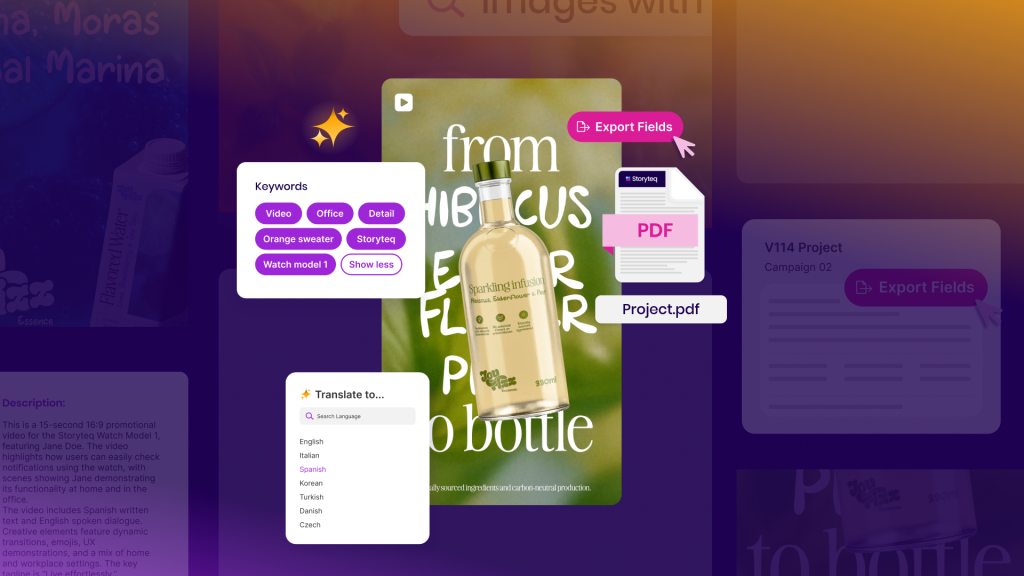


Scalable content production uses technology and automation to create large volumes of marketing content efficiently, while traditional content creation relies on manual processes and individual craftsmanship. Scalable approaches enable brands to generate personalised, on-brand content at speed through creative automation platforms, whereas traditional methods involve linear workflows with longer timelines and higher resource requirements.
What exactly is scalable content production and how does it work?
Scalable content production is an automated approach that generates multiple content variations quickly using technology-driven workflows and predefined templates. It maintains brand consistency while producing personalised content across different channels, audiences, and campaigns through creative automation platforms.
The core principles centre on automation-driven content creation that separates design elements from content variables. Marketing teams create master templates containing brand guidelines, visual elements, and layout structures. The system then automatically generates variations by swapping text, images, colours, and other components based on campaign requirements or audience segments.
Technology enables rapid content generation through several key mechanisms. Content automation platforms store brand assets in centralised libraries, ensuring a consistent visual identity across all outputs. Dynamic template systems allow teams to input campaign data once and generate hundreds of variations instantly. Integration capabilities connect these platforms to marketing channels, enabling direct distribution without manual intervention.
Quality standards are maintained through built-in brand compliance checks, approval workflows, and automated quality assurance processes. This approach transforms content marketing efficiency by removing repetitive manual tasks while preserving creative control and brand integrity.
How does traditional content production differ from scalable approaches?
Traditional content creation follows manual, linear processes where designers and copywriters craft each piece individually from concept to completion. This approach requires significant time investment, multiple revision rounds, and sequential approval stages, making it challenging to produce large content volumes quickly.
Workflow differences are substantial between the two approaches. Traditional methods involve briefing creative teams, developing concepts, creating initial designs, gathering feedback, making revisions, and obtaining final approvals for each individual asset. This process typically takes days or weeks per piece, depending on complexity and stakeholder involvement.
Resource requirements vary dramatically. Traditional content production demands skilled designers and copywriters for every piece, creating bottlenecks when content volumes increase. Teams often struggle to maintain consistency across multiple creators working on the same campaign.
Timeline expectations reflect these operational differences. Traditional approaches suit complex, high-touch creative work but struggle with volume demands. Scalable content production excels at generating multiple variations quickly, while traditional methods focus on crafting individual pieces with extensive creative input.
Output capabilities highlight the fundamental distinction. Traditional production creates fewer, highly crafted pieces, while scalable approaches generate numerous variations that can be personalised for different audiences, markets, or channels simultaneously.
What are the main advantages of switching to scalable content production?
The primary benefits include dramatically increased efficiency, reduced costs per asset, improved brand consistency, faster time-to-market, and the ability to create personalised content variations at scale across multiple marketing channels and campaigns.
Increased efficiency emerges from automating repetitive tasks that traditionally consumed significant creative resources. Teams can focus on strategic creative work while automation handles production tasks. This shift allows marketing departments to respond quickly to market opportunities and campaign requirements without expanding headcount proportionally.
Cost reduction occurs through economies of scale and reduced manual labour requirements. Once templates are established, generating additional variations requires minimal incremental effort. The cost per asset decreases significantly as volume increases, making previously unaffordable personalisation strategies economically viable.
Brand consistency improves because all content derives from approved templates and asset libraries. This centralised approach eliminates the variations that naturally occur when multiple team members create content manually. Brand content scaling becomes more manageable when guidelines are embedded in the production system rather than relying on individual adherence.
Faster time-to-market enables brands to capitalise on trending topics, respond to competitive moves, and launch campaigns more quickly. The ability to generate campaign variations for different markets or audience segments simultaneously accelerates global marketing initiatives and localisation efforts.
What challenges do companies face when moving from traditional to scalable content creation?
Common obstacles include technology adoption hurdles, workflow restructuring requirements, team training needs, initial investment considerations, and change management challenges as organisations transition from familiar manual processes to automated systems.
Technology adoption hurdles often stem from integration complexity with existing marketing technology stacks. Teams must evaluate platforms, ensure compatibility with current tools, and establish new technical workflows. The learning curve for marketing technology platforms can initially slow productivity as staff adapt to new interfaces and processes.
Workflow restructuring requires fundamental changes to established creative processes. Traditional approval chains, creative briefing methods, and quality control procedures need modification to accommodate automated production. This restructuring often reveals inefficiencies in existing processes that require addressing.
Team training requirements extend beyond software proficiency to strategic thinking about template design, content workflow automation, and brand guideline implementation within technology constraints. Creative professionals must develop new skills while maintaining their artistic capabilities.
Initial investment considerations include platform licensing, integration costs, template development, and potential productivity dips during transition periods. Organisations must balance upfront costs against long-term efficiency gains while maintaining current campaign delivery commitments.
Change management challenges arise when creative teams perceive automation as threatening their roles rather than enhancing their capabilities. Successful transitions require clear communication about how creative automation augments human creativity rather than replacing it, focusing on strategic and conceptual work while automating production tasks.
How Storyteq helps with scalable content production
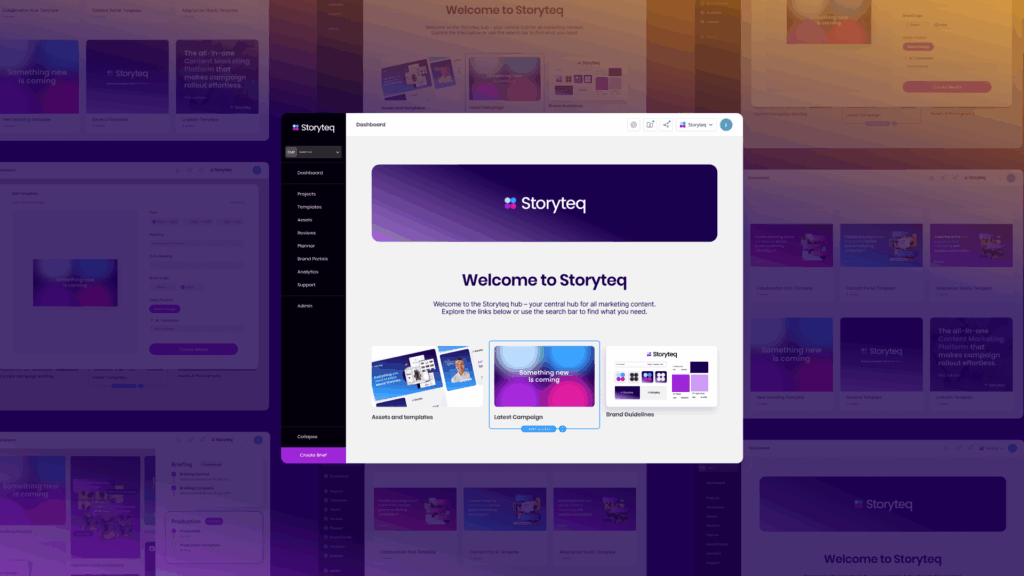
Storyteq provides a comprehensive creative automation platform that transforms how brands approach scalable content production. Our solution addresses the key challenges organisations face when transitioning from traditional to automated content creation:
• Streamlined template creation: Build master templates with embedded brand guidelines that automatically ensure consistency across all content variations
• Automated content generation: Generate thousands of personalised content pieces from a single template, customised for different audiences, markets, and channels
• Integrated workflow management: Connect creative teams, stakeholders, and distribution channels through automated approval processes and quality control systems
• Seamless technology integration: Easily integrate with existing marketing technology stacks and distribution platforms for effortless campaign deployment
• Real-time collaboration tools: Enable creative teams to focus on strategic work while automation handles repetitive production tasks
Ready to transform your content production capabilities and achieve true scalability? Discover how Storyteq can accelerate your marketing efficiency while maintaining exceptional creative quality. Contact us today to schedule a personalised demonstration of our creative automation platform.