


Yes, Digital Asset Management (DAM) platforms significantly improve creative team collaboration by centralising assets, streamlining workflows, and enabling real-time feedback. They eliminate common barriers like file version confusion, inconsistent branding, and siloed communication that typically slow creative processes. Modern DAM solutions transform how teams work together through structured approval processes, centralised brand guidelines, and seamless file sharing across departments and locations.
What is a DAM platform and how does it support creative teams?
A Digital Asset Management (DAM) platform is a centralised digital library system that stores, organises, and distributes creative assets such as images, videos, designs, and documents. For creative teams specifically, a DAM serves as the single source of truth for all finalised and in-progress creative work.
DAM platforms support creative teams by providing:
- Centralised storage for all creative files in their various formats and versions
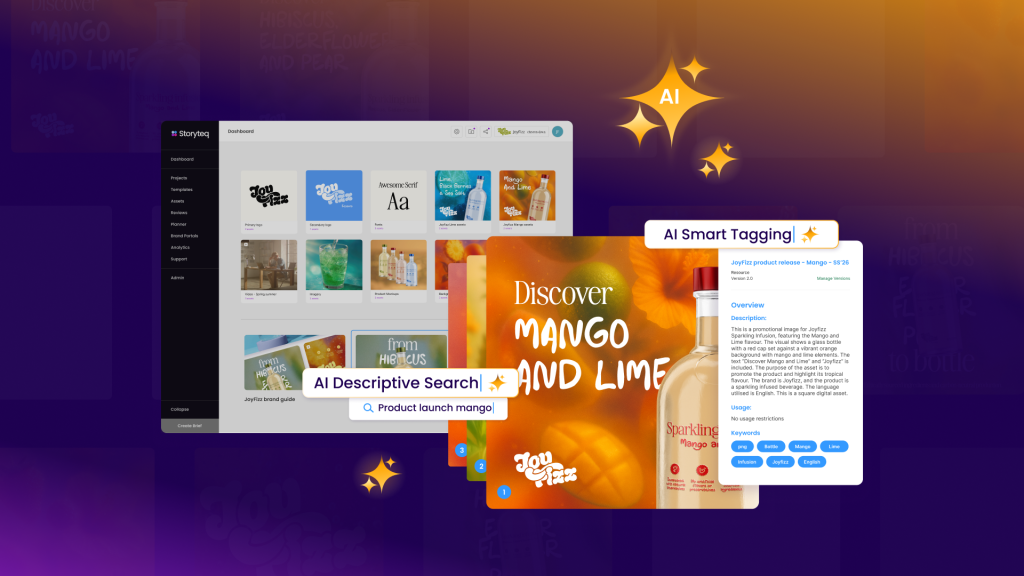
- Powerful search capabilities using metadata, tags, and filters to quickly find needed assets
- Organisation systems that match creative workflows and project structures
- Rights management to ensure proper usage of licensed materials
- Version control to track changes and maintain file history
Unlike simple file storage solutions, DAM platforms are specifically designed to handle creative workflows and the unique needs of design, video, and marketing teams. They provide context around assets—not just storage—making them an active part of the creative process rather than a passive repository.
How do DAM platforms directly improve collaboration among creative teams?
DAM platforms transform creative team collaboration through features specifically designed to facilitate teamwork across departments, locations, and even external partners.
The collaboration improvements include:
- Real-time feedback and annotation – Team members can comment directly on assets, mark up designs, and suggest changes without lengthy email chains
- Structured approval workflows – Clearly defined review processes ensure the right stakeholders provide input at the right time
- Version tracking – All iterations are preserved with clear labelling of who made changes and when
- Simultaneous access – Multiple team members can view and work with assets at the same time without creating conflicting copies
- Centralised brand guidelines – Creative standards are accessible alongside assets, ensuring consistent application
These capabilities eliminate common collaboration bottlenecks. Instead of disjointed workflows with assets scattered across systems, DAM platforms create a unified environment where creative teams can work together efficiently regardless of location.
What challenges do creative teams face without proper DAM systems?
Without a proper DAM system, creative teams encounter numerous obstacles that impede productivity and quality:
- File chaos – Assets become scattered across personal drives, cloud storage, and email attachments
- Version confusion – Team members accidentally work on outdated versions or overwrite each other’s changes
- Time wasted searching – Creatives spend hours hunting for the right assets rather than creating new work
- Brand inconsistency – Without centralised guidelines and approved assets, brand elements are applied inconsistently
- Approval bottlenecks – Feedback becomes fragmented across emails, meetings, and messaging platforms
- Asset recreation – Unable to find existing assets, teams frequently recreate materials that already exist
These challenges create significant friction in creative processes. As the retrieved context mentions, “Struggling to find assets, version control issues, and tedious manual adjustments are accepted as common headaches that teams have to deal with.” This inefficiency directly impacts creative output, team morale, and project timelines.
How does a DAM platform integrate with other creative tools and workflows?
Modern DAM platforms serve as a hub within the creative technology ecosystem, integrating with various tools to create seamless workflows:
- Creative software integration – Direct connections with Adobe Creative Cloud, Sketch, and other design tools allow for accessing and saving assets without switching applications
- Project management synchronisation – Integration with tools like Asana, Trello, or Monday.com to align asset status with project milestones
- Content management system (CMS) connectivity – Direct publishing of approved assets to websites and digital platforms
- Communication tool links – Integration with Slack, Microsoft Teams, and other messaging platforms for notifications and collaboration
- Marketing automation connections – Approved assets can flow directly into campaign tools for immediate use
These integrations eliminate the “fragmented approach” mentioned in the retrieved context where “moving content between tools often requires downloads, uploads, and reformatting, wasting time and creating room for errors.” Instead, assets move fluidly through the entire creative lifecycle.
What specific features should you look for in a DAM platform for creative collaboration?
When evaluating DAM platforms for creative collaboration, focus on these essential features:
- Intuitive user interface – The platform should be accessible to both technical and non-technical team members
- Robust search capabilities – Advanced filtering, metadata searching, and AI-powered visual search
- Comprehensive version control – Clear tracking of iterations with the ability to revert to previous versions
- Flexible permission management – Granular access controls for different team members, departments, and external partners
- Visual preview functionality – Ability to preview various file formats without downloading or opening in native applications
- Commenting and annotation tools – Ways to provide feedback directly on assets
- Customisable workflows – Adaptable approval processes that match your team’s needs
- Brand guideline integration – Connection between assets and the rules for their usage
- Performance analytics – Insights into asset usage, team activities, and workflow efficiency
The most valuable DAM platforms for creative teams go beyond simple storage to become active participants in the creative process—what the context refers to as moving “from passive to a proactive asset management repository.”
Beyond these technical features, consider how the platform handles user adoption. The best system provides minimal value if your team doesn’t embrace it fully.
At Storyteq, we understand that creative teams need more than just asset storage—they need tools that actively support collaboration while maintaining brand consistency. Our content marketing platform includes powerful DAM capabilities designed specifically for creative teams looking to streamline their workflows and improve collaboration.
If you’re interested in seeing how a modern DAM platform can transform your creative team’s collaboration, request a demo to experience these capabilities firsthand.
Frequently Asked Questions
How long does it typically take to implement a DAM system for a creative team?
Implementation timelines vary based on team size and complexity, but most organizations can expect 2-3 months from selection to full adoption. The process involves initial setup (2-4 weeks), asset migration and tagging (3-6 weeks), user training (1-2 weeks), and a transition period where teams gradually shift workflows. To expedite implementation, start with a clear asset taxonomy, prepare metadata standards in advance, and consider a phased rollout focusing first on current projects rather than migrating your entire asset library at once.
What are the most common mistakes companies make when implementing a DAM platform?
The most prevalent mistakes include insufficient user training, overly complex metadata structures, and treating DAM implementation as an IT project rather than a creative workflow transformation. Another common pitfall is failing to establish clear governance policies for what gets stored and how assets should be tagged. To avoid these issues, involve creative team representatives in the implementation process, invest in comprehensive training, start with a simple metadata approach that can evolve, and create clear guidelines for asset management that align with how your team actually works.
How can we measure ROI from our DAM investment for creative teams?
Measure ROI through both quantitative and qualitative metrics. Quantitatively, track time saved in asset retrieval (often 20-30% reduction), decreased asset recreation instances, faster approval cycles, and reduced storage costs. Qualitatively, survey team members about workflow improvements, decreased frustration levels, and enhanced collaboration. Many organizations find that tracking the percentage of assets reused versus created new provides a powerful ROI indicator. For maximum impact, establish baseline measurements before implementation and track improvements at 3, 6, and 12-month intervals.
What should our team do if we're struggling with DAM adoption after implementation?
Low adoption typically stems from insufficient training, overly complex systems, or workflows that don't match actual team needs. Address this by conducting user interviews to identify specific pain points, offering targeted micro-training sessions focused on daily tasks rather than comprehensive functionality, and designating DAM champions within creative teams to provide peer support. Consider simplifying your metadata requirements initially and gradually expanding as users become comfortable. Also, integrate the DAM with the tools creatives use most frequently to make it a natural part of their workflow rather than an additional step.
How can we effectively manage rights and permissions for licensed creative assets in our DAM?
Effective rights management starts with creating standardized metadata fields specifically for usage rights, expiration dates, and license limitations. Implement visual indicators within your DAM that clearly show which assets have restrictions. Set up automated alerts for expiring licenses and configure permission settings to restrict access based on usage rights. Consider creating a simplified rights reference guide for creative team members that explains common license types. For complex organizations, designate a rights management coordinator who can serve as the point person for questions about asset usage limitations.
What's the best approach for transitioning from multiple storage systems to a centralized DAM?
Take a phased approach rather than attempting a complete migration at once. Begin by mapping all existing storage locations and categorizing assets by priority and current relevance. Start by migrating active project files and frequently used assets, establishing clear metadata standards before beginning the transfer process. Run parallel systems during transition, with new assets going directly into the DAM while gradually migrating older content. Provide team training focused specifically on where to find previously accessed content in the new system. This approach typically takes 3-6 months but significantly reduces disruption compared to an immediate cutover.
How can our DAM strategy evolve as creative content needs expand to include new formats like AR/VR or interactive content?
Future-proof your DAM strategy by selecting platforms with robust API capabilities that can integrate with emerging creative tools. Establish flexible metadata schemas that can accommodate new asset types without complete restructuring. Regularly evaluate how new content formats fit into your existing workflows and be prepared to adapt processes. Consider creating a quarterly review process where your team evaluates new creative formats being produced and adjusts the DAM configuration accordingly. Many leading DAM platforms now offer preview capabilities for 3D assets, interactive content, and other emerging formats - making these features worth prioritizing in your selection criteria.