


Transforming one piece of content into multiple formats involves adapting a single content asset across different media types, platforms, and channels while maintaining consistent messaging. This content repurposing strategy maximises your investment by reaching diverse audiences through their preferred consumption methods. Content transformation includes converting blogs into videos, infographics into social posts, or webinars into podcast episodes, ensuring each format serves specific platform requirements and audience preferences.
What does it mean to turn one piece of content into multiple formats?
Content repurposing means taking one core piece of content and strategically adapting it into various formats to reach different audiences and platforms. This process maintains your original message and brand consistency while tailoring the presentation method to suit specific channels and user preferences.
The concept goes beyond simple copying and pasting. Effective content transformation requires understanding how different audiences consume information across platforms. A comprehensive research report might become a series of LinkedIn articles, Instagram infographics, YouTube explainer videos, and podcast episodes. Each format serves the same core message but presents it in ways that match platform conventions and user expectations.
This approach recognises that people learn and engage differently. Visual learners prefer infographics and videos, while others favour detailed written content or audio formats. By creating multiple formats from single source material, you accommodate these varied preferences without creating entirely new content from scratch.
Why should marketers create multiple formats from single content pieces?
Creating multiple content formats from single pieces dramatically improves marketing efficiency and reach. This strategy extends content lifespan, increases audience engagement across different platforms, and delivers better return on investment by maximising the value of each content creation effort.
Content marketing efficiency improves significantly when you repurpose existing material. Instead of constantly creating new content, you can focus resources on developing fewer high-quality pieces that work harder across multiple channels. This approach reduces production costs while maintaining consistent publishing schedules.
Different platforms favour specific content types, and audiences have varying consumption preferences. LinkedIn users engage more with professional articles and carousel posts, while Instagram audiences prefer visual content like stories and reels. By adapting content across formats, you meet audiences where they are with content they prefer.
Extended content lifespan represents another key advantage. A single blog post might have limited reach, but when transformed into social media posts, email newsletter content, and video scripts, it continues generating value over months rather than weeks.
What are the most effective content formats to transform content into?
The most impactful formats for content transformation include social media posts, infographics, video content, email newsletters, presentations, and interactive content. Each format serves specific audience preferences and platform requirements, with video and visual content typically generating the highest engagement rates.
Social media posts work excellently for content snippets and key insights. Transform longer content into quote cards, carousel posts, or thread series that highlight main points. These formats encourage sharing and discussion while driving traffic back to the original content.
Visual formats like infographics and presentations excel at simplifying complex information. They make data digestible and shareable, and are particularly effective for explaining processes, statistics, or step-by-step guides. These formats perform well across multiple platforms and professional contexts.
Video content continues growing in popularity across all demographics. Convert written content into explainer videos, tutorials, or talking-head presentations. Audio formats like podcasts serve busy audiences who consume content during commutes or while multitasking.
Email newsletters provide direct audience access for content scaling. Transform blog posts into newsletter segments, creating series that build anticipation while delivering consistent value to subscribers.
How do you actually transform content between different formats?
Content transformation begins with auditing existing content to identify high-performing pieces suitable for repurposing. Map each piece to appropriate formats based on content type, audience preferences, and platform requirements, then adapt the material while maintaining core messaging and brand voice.
Start by conducting a thorough content audit. Identify your best-performing content pieces based on engagement, traffic, and conversion metrics. These proven performers make ideal candidates for transformation because they have already demonstrated audience value.
Develop a format mapping strategy that matches content types to suitable formats. Long-form articles work well as video scripts, podcast episodes, or email series. Data-heavy content translates effectively into infographics or presentation slides. Case studies can become social media story series or testimonial videos.
Create adaptation templates for consistent transformation. Develop frameworks for converting blog posts into social media content, or turning webinars into multiple shorter video clips. These templates ensure brand content optimisation while streamlining the repurposing process.
Maintain workflow efficiency by batching transformation activities. When creating original content, immediately identify repurposing opportunities and create multiple formats simultaneously rather than treating repurposing as an afterthought.
What tools and technologies can automate content format transformation?
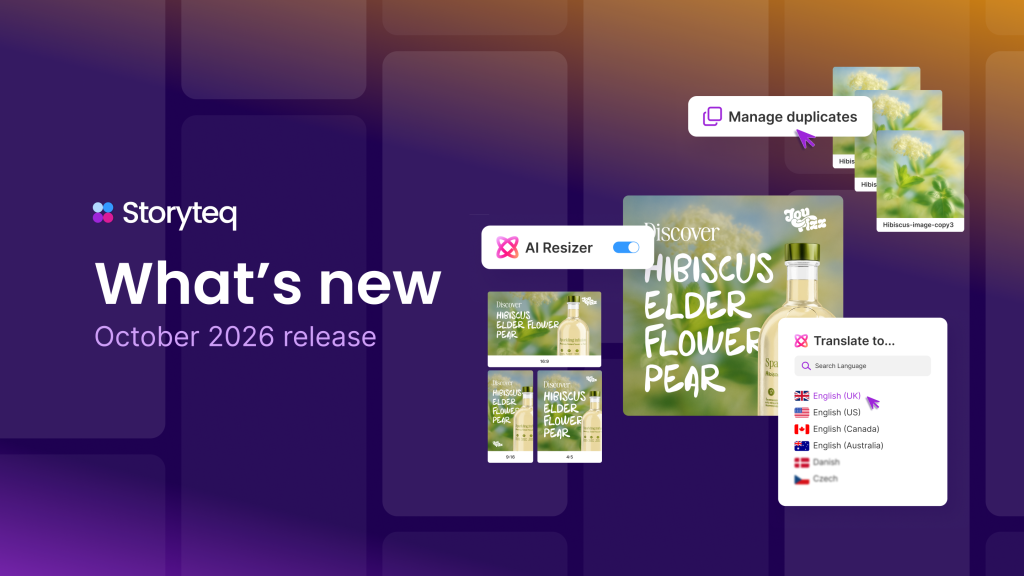
Creative automation platforms streamline content transformation by automatically generating multiple formats from single source materials. These tools include AI-powered content generators, design automation software, and integrated marketing technology solutions that handle format conversion while maintaining brand consistency.
Modern creative automation platforms can transform written content into visual formats automatically. They generate social media posts, infographics, and presentation slides using predefined brand templates and design rules. This technology significantly reduces manual design work while ensuring a consistent visual identity.
AI-powered tools help adapt content tone and length for different platforms. They can automatically create shorter social media versions of longer articles, adjust language for different audiences, or generate multiple headline variations for testing purposes.
Video creation tools now offer automated features for converting text content into video presentations, complete with animations, voiceovers, and branded graphics. These solutions make video content accessible to teams without extensive production resources.
How do you maintain quality and brand consistency across multiple content formats?
Maintaining quality and brand consistency requires establishing clear brand guidelines, implementing structured approval workflows, and using standardised templates across all content formats. Regular quality audits and team training ensure consistent application of brand voice, visual identity, and messaging standards.
Develop comprehensive brand guidelines that specify voice, tone, visual elements, and messaging principles for each content format. Include specific examples showing how brand personality translates across different media types, from social media posts to video content.
Create standardised templates and style guides for each format type. These templates should incorporate brand colours, fonts, logos, and layout principles while allowing flexibility for different content topics. Templates ensure consistency while speeding up production processes.
Implement structured approval workflows that include brand compliance checks at key stages. Marketing content strategy should include review processes that verify brand consistency before content publication, particularly when multiple team members contribute to content creation.
Regular training and brand guideline updates keep teams aligned on consistency standards. As brands evolve and new formats emerge, ensure all content creators understand how to maintain brand integrity across a changing media landscape.
Quality control processes should include periodic audits of published content across all formats. These reviews identify inconsistencies and opportunities for improvement, ensuring your multi-format content strategy maintains professional standards that reinforce brand credibility and audience trust.
How Storyteq helps with content format transformation
Storyteq provides comprehensive creative automation solutions that streamline the entire content transformation process from single assets to multiple formats. Our platform enables marketing teams to efficiently scale their content production while maintaining brand consistency across all channels. Key benefits include:
- Automated generation of multiple content formats from single source materials
- Brand-compliant templates that ensure consistent visual identity across all outputs
- AI-powered content adaptation that adjusts tone and messaging for different platforms
- Streamlined approval workflows that accelerate content production timelines
- Real-time collaboration tools that enable teams to create and review content efficiently
- Integration capabilities that connect directly with your existing marketing technology stack
Transform your content strategy and eliminate the manual work of creating multiple formats from single pieces. Schedule a demo with Storyteq today to discover how our creative automation platform can scale your content production while maintaining the quality and consistency your brand demands.