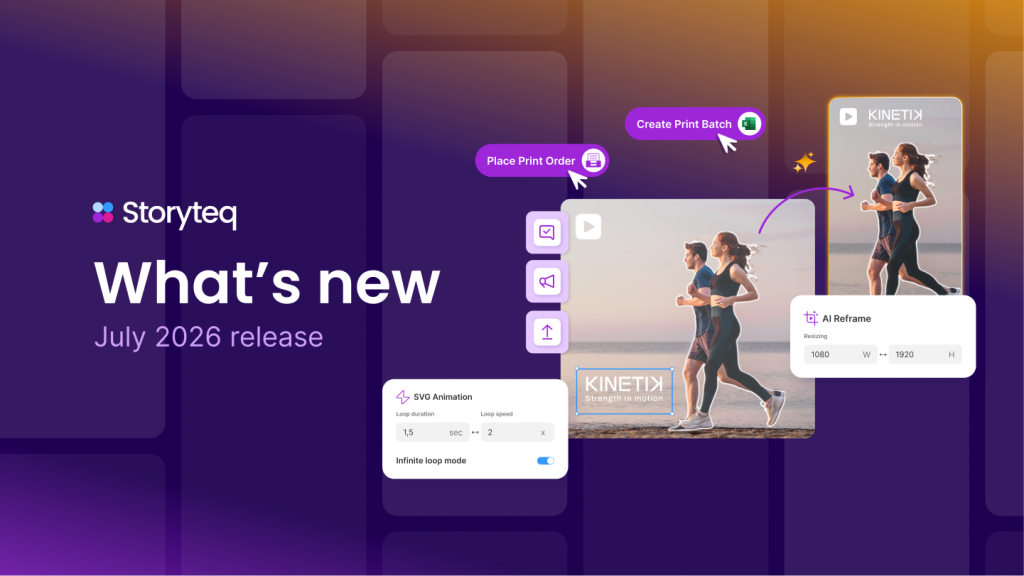


Scalable content production allows small businesses to create consistent, high-quality marketing materials efficiently without proportionally increasing time or resources. Through content automation and strategic workflows, businesses can produce more content while maintaining brand consistency and message quality. This approach addresses common challenges such as limited budgets, small teams, and the need for a multi-channel marketing presence.
What is scalable content production and why do small businesses need it?
Scalable content production is a systematic approach that enables businesses to increase their content output without requiring proportional increases in time, resources, or manual effort. It combines automation tools, standardised processes, and strategic planning to create consistent marketing materials across multiple channels.
Small businesses face unique challenges that make scalable content production essential. Limited budgets mean every marketing pound must deliver maximum value, while small teams often struggle to maintain consistent output across social media, email campaigns, websites, and advertising channels. Traditional content creation methods require significant time investment for each piece, making it difficult to compete with larger companies that have dedicated marketing departments.
The need for consistent brand messaging compounds these challenges. Small businesses must maintain a professional appearance and cohesive communication across all touchpoints to build trust and recognition. Without scalable systems, maintaining this consistency becomes increasingly difficult as marketing demands grow.
Scalable content production addresses these pain points by establishing repeatable processes that maintain quality while reducing per-piece creation time. This approach enables small businesses to compete effectively in crowded markets without overwhelming their resources or compromising their core operations.
How does content automation actually work for businesses with limited resources?
Content automation works by creating template-based systems and workflows that handle repetitive tasks automatically. Small businesses can implement these systems using accessible tools that require minimal technical expertise and modest budgets to get started.
The process begins with template creation for common content types such as social media posts, email newsletters, and promotional materials. These templates include placeholder areas for images, text, and branding elements that can be quickly customised for specific campaigns or messages. Once templates are established, content creation becomes a matter of filling in variables rather than starting from scratch each time.
Workflow automation handles the distribution and scheduling aspects. Content can be created once and automatically formatted for different platforms, with scheduling tools ensuring consistent posting across channels. Email campaigns can be triggered by customer actions or dates, while social media content can be queued for optimal posting times.
For businesses with limited resources, the key is starting small and building gradually. Begin with one content type or channel, establish effective templates and workflows, then expand to additional areas. This approach allows teams to learn the systems without becoming overwhelmed while seeing immediate benefits from their initial investment.
Integration capabilities connect different tools and platforms, reducing manual data entry and ensuring information flows smoothly between systems. This connectivity maximises efficiency gains even with basic automation setups.
What are the most cost-effective tools for automating content creation?
The most cost-effective content automation tools offer template libraries, brand consistency features, and integration capabilities that provide maximum value for small business budgets. These platforms typically combine multiple functions to reduce the need for separate tools.
Template-based design platforms allow businesses to create professional-looking graphics, social media posts, and marketing materials without design expertise. These tools offer pre-built templates that can be customised with brand colours, fonts, and messaging, ensuring consistency across all materials.
Email marketing platforms with automation features enable businesses to create drip campaigns, welcome sequences, and triggered messages based on customer behaviour. These tools often include template libraries and drag-and-drop editors that simplify content creation while providing powerful automation capabilities.
Social media management tools combine content creation, scheduling, and analytics in single platforms. They allow businesses to create content once and adapt it for multiple social channels, schedule posts in advance, and track performance across platforms.
Content marketing platforms that integrate multiple functions offer the best value for growing businesses. These solutions combine content creation tools, workflow management, brand asset storage, and distribution capabilities in unified systems that eliminate the need for multiple separate tools.
When evaluating tools, consider factors such as ease of use, template quality, integration options, and scalability. The most cost-effective choice is often a platform that can grow with your business rather than the cheapest initial option.
How do you maintain quality while scaling content production?
Maintaining quality during scaled content production requires establishing clear brand guidelines, implementing approval workflows, and creating quality control processes that work effectively for small teams without creating bottlenecks.
Brand guidelines implementation starts with documenting your visual identity, tone of voice, and messaging standards in accessible formats. These guidelines should be integrated into your content creation tools through custom templates, colour palettes, and style presets that make it easy to maintain consistency automatically.
Approval workflows ensure content meets quality standards before publication. For small teams, this might involve simple review processes where one person checks content before it goes live. Larger operations can implement multi-stage approvals with different team members responsible for different aspects such as messaging, design, and compliance.
Quality control processes should include regular content audits to ensure automated systems are producing materials that meet your standards. This involves reviewing published content, checking for consistency across channels, and gathering feedback from customers and team members about content effectiveness.
Content libraries and asset management systems help maintain quality by providing access to approved images, copy templates, and brand elements. When team members can easily access high-quality, pre-approved assets, the likelihood of maintaining standards increases significantly.
Training and documentation ensure everyone involved in content creation understands quality expectations and knows how to use automation tools effectively. This investment in education pays dividends in consistent output and reduced revision cycles.
What types of content work best with automated production systems?
Automated production systems work best with content that follows predictable formats and structures, such as social media posts, email campaigns, display advertisements, and promotional materials. These content types benefit from standardisation while still allowing for customisation and personalisation.
Social media content is ideal for automation because posts typically follow consistent formats with similar image dimensions, text lengths, and engagement elements. Automated systems can generate multiple variations of posts for different platforms while maintaining brand consistency and messaging coherence.
Email campaigns, particularly newsletters and promotional sequences, work well with automation because they often follow established templates and structures. Automated systems can personalise content based on subscriber data while ensuring consistent branding and messaging across all communications.
Display advertisements and digital marketing materials benefit from automation because they require multiple sizes and variations for different platforms. Automated systems can generate complete ad sets from single designs, ensuring consistency across all placements while saving significant production time.
Promotional materials such as flyers, brochures, and product sheets work well with automation when businesses frequently create similar materials with different details. Templates can accommodate various products or services while maintaining a professional appearance and brand consistency.
However, certain content types require manual creation. Complex strategic content, highly creative campaigns, sensitive communications, and content requiring deep personalisation benefit from human oversight and creativity. The key is identifying which content types in your business can be effectively automated while preserving manual creation for materials that truly require individual attention.
Understanding when to use automation versus manual creation helps businesses maximise efficiency gains while ensuring all content meets quality and effectiveness standards. The goal is not to automate everything, but to automate the right things so human creativity can focus where it adds the most value.
How Storyteq helps with scalable content production
Storyteq provides a comprehensive content automation platform that enables small businesses to scale their marketing production efficiently while maintaining brand consistency and quality. The platform addresses the specific challenges of resource-limited teams through intelligent automation and user-friendly design tools.
Key benefits include:
- Template-driven content creation that ensures brand consistency across all materials while reducing production time by up to 80%
- Multi-format automation that generates content variations for different channels and platforms from a single master design
- Brand management tools that enforce guidelines automatically, preventing off-brand content while empowering team members to create confidently
- Workflow automation that streamlines approval processes and content distribution across multiple marketing channels
- Asset libraries that provide centralised access to approved brand elements, reducing revision cycles and maintaining quality standards
Transform your content production process and compete effectively in today’s fast-paced marketing environment. Discover how Storyteq can scale your content creation while reducing costs and maintaining quality – book a demo today to see the platform in action.