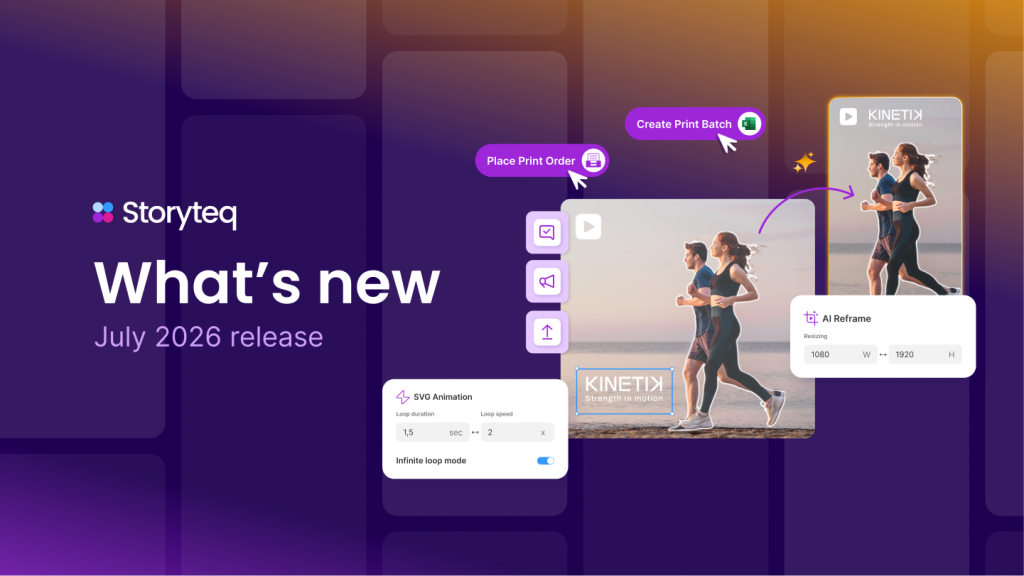



A marketing automation platform is a powerful tool that helps businesses streamline their marketing efforts, improve efficiency, and drive better results. These platforms provide comprehensive solutions that automate repetitive tasks, centralize content management, enable personalization at scale, and facilitate better collaboration among teams. The key benefits include improved operational efficiency, enhanced brand consistency, ability to create personalized content at scale, significant cost savings, and improved team collaboration. Marketing automation platforms allow marketers to focus more on strategy and creativity rather than mundane tasks, ultimately leading to more effective campaigns and better return on investment.
How does a marketing automation platform improve efficiency?
Marketing automation platforms significantly improve efficiency by eliminating manual, repetitive tasks that consume valuable time and resources. These platforms provide centralized workflows that streamline content production, approval processes, and distribution across multiple channels.
With automation tools handling routine tasks like content versioning, scheduling, and distribution, marketing teams can redirect their focus toward strategic thinking and creative development rather than spending hours on repetitive execution. This shift from manual to automated processes can dramatically reduce the time needed to launch campaigns.
Automation platforms also provide streamlined approval processes, ensuring that the right stakeholders review content at the right time. This eliminates bottlenecks and reduces the back-and-forth communication that often delays project completion. By integrating planning, creation, and distribution functions into one system, these platforms eliminate the need to switch between multiple tools, further enhancing productivity.
Additionally, marketing automation platforms offer valuable insights through integrated analytics, allowing teams to quickly identify what works and what doesn’t. This data-driven approach enables faster optimization and better resource allocation, ultimately making the entire marketing operation more efficient and effective.
Why is brand consistency important when scaling content production?
Brand consistency is crucial when scaling content production because it builds trust, reinforces brand identity, and ensures a cohesive experience across all customer touchpoints. When audiences encounter consistent messaging and visuals, brand recognition improves by up to 80%, making brand governance a critical component of successful marketing.
Marketing automation platforms help maintain brand consistency by centralizing brand assets and guidelines in a single location. This ensures that all team members have access to approved logos, colors, fonts, and messaging frameworks, regardless of their location or department. With these resources readily available, even teams working across different markets can create content that adheres to brand standards.
These platforms also enable the creation of templates with locked brand elements, which allows for customization while preserving core brand components. This approach strikes a balance between consistency and flexibility, particularly valuable for global brands that need to adapt content for different regions and languages.
Furthermore, automation platforms provide visibility and control over what’s being published, enabling brand managers to maintain oversight without becoming bottlenecks in the content production process. This centralized governance is especially important as content production scales across multiple channels, teams, and markets.
How can marketing automation help with personalization?
Marketing automation helps with personalization by enabling brands to create tailored content at scale without requiring proportional increases in resources or time. Through dynamic content generation, these platforms can automatically adjust messaging, visuals, and offers based on user data, behaviors, and preferences.
Automation platforms facilitate effective audience segmentation by categorizing users based on demographics, behaviors, and engagement history. This granular approach allows marketers to create content variations that specifically address the needs and interests of different audience segments, rather than relying on one-size-fits-all messaging.
With automation tools, marketers can implement rules-based personalization that automatically tailors content elements like headers, images, calls-to-action, and product recommendations based on user attributes. This level of customization would be impossible to achieve manually at scale.
Additionally, marketing automation platforms can leverage real-time data to deliver contextually relevant content. For example, they can adjust messaging based on a user’s location, the device they’re using, or even external factors like weather conditions or current events. This real-time personalization significantly enhances relevance and engagement.
By learning more about advanced personalization capabilities, marketing teams can create more meaningful connections with their audience while maintaining efficient workflows.
What cost savings can marketing automation platforms provide?
Marketing automation platforms deliver substantial cost savings by optimizing resource allocation, reducing production time, and eliminating the need for multiple disconnected tools. The operational efficiency gained through automation directly translates to financial benefits for marketing departments.
One of the most significant cost advantages comes from reducing the need for manual content adaptation. Instead of paying designers to create dozens or hundreds of variations of the same asset, automation platforms can generate these versions instantly, dramatically cutting production costs. This efficiency is particularly valuable for campaigns that require content in multiple formats, languages, or regional variations.
Automation platforms also consolidate marketing technology stacks, replacing several point solutions with one integrated system. This consolidation not only reduces subscription costs but also minimizes the technical overhead required to maintain and integrate multiple systems.
Furthermore, marketing automation improves campaign performance by enabling more testing and optimization without additional resource investment. Teams can quickly create and test multiple creative variations to identify the highest-performing content, leading to better return on advertising spend (ROAS) and overall marketing ROI.
By reducing time-to-market for campaigns, automation platforms also help brands capitalize on timely opportunities and trends that might otherwise be missed due to lengthy production processes. This agility can create significant competitive advantages and revenue opportunities.
How do marketing automation platforms improve team collaboration?
Marketing automation platforms improve team collaboration by providing centralized systems where all stakeholders can contribute, review, and approve content through standardized workflows. These platforms create a single source of truth that eliminates confusion and ensures everyone is working with the latest information and assets.
With defined workflows and approval processes, automation platforms clarify roles and responsibilities for each team member. This structure reduces miscommunication and ensures that the right people are involved at the appropriate stages of content development. Clear visibility into project status helps team members understand when their input is needed and how their work fits into the broader campaign timeline.
Automation platforms also bridge the gap between marketing and creative teams by providing shared workspaces where both groups can collaborate effectively. Designers can upload assets that marketers can then adapt using templates, reducing the back-and-forth communication that often creates friction between these departments.
Furthermore, these platforms facilitate collaboration across distributed teams, allowing team members in different locations or time zones to work together seamlessly. With cloud-based access to assets, templates, and projects, geographical barriers become less significant, enabling truly global marketing operations.
Real-time notification systems keep team members informed about changes, approvals, and deadlines, ensuring that projects move forward efficiently without unnecessary delays. This improved communication helps teams meet deadlines more consistently and reduces the stress associated with last-minute rushes.
If you’re looking to enhance your team’s collaboration while scaling your marketing efforts, exploring modern automation solutions can provide valuable insights into potential workflow improvements.
In conclusion, marketing automation platforms offer transformative benefits for marketing teams seeking to improve their effectiveness and efficiency. At Storyteq, we understand the challenges marketing teams face when trying to scale content production while maintaining quality and brand consistency. Our creative marketing platform helps global brands deliver campaigns more efficiently through automation, enabling you to focus on strategy and creativity rather than repetitive tasks. By implementing the right marketing automation solution, you can significantly enhance your team’s productivity, ensure brand consistency, deliver personalized experiences, reduce costs, and improve collaboration—ultimately driving better marketing results in today’s fast-paced digital landscape.