


We know that getting a global campaign out the door is no small feat. Between hunting for the right version of a logo and manually resizing assets for a dozen different social channels, the creative process can often feel buried under a mountain of admin.
At Storyteq, we believe digital asset management (DAM) shouldn’t just be a “digital warehouse”, it should be the heartbeat of your campaign rollout.
What is digital asset management for marketing?
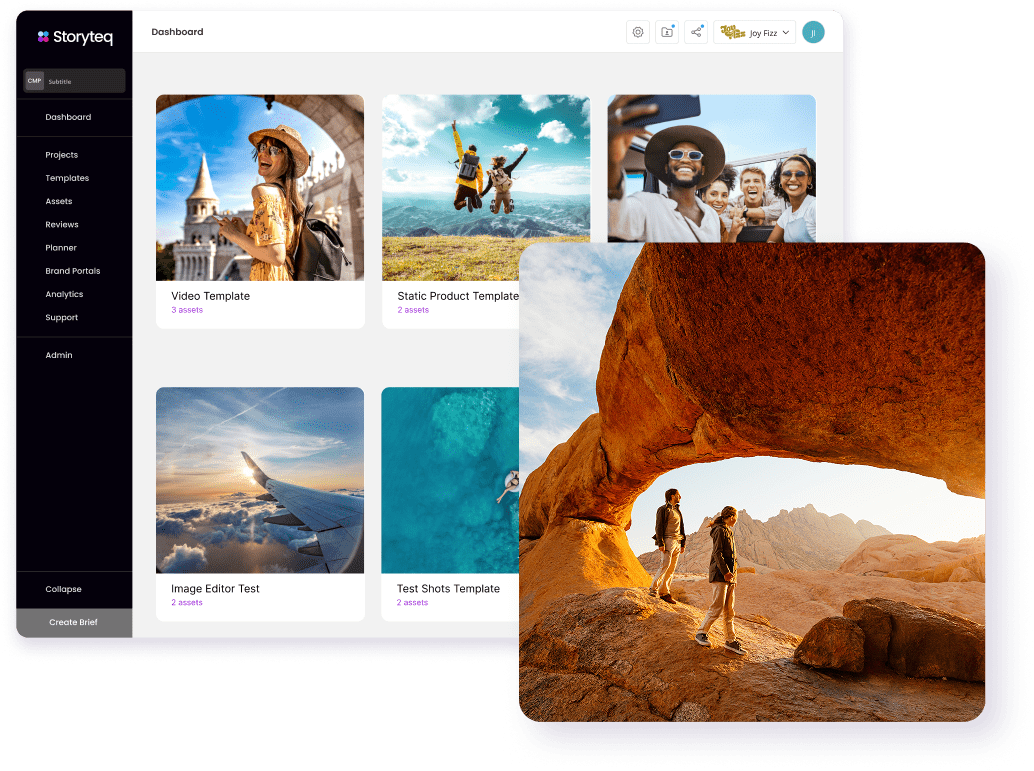
In simple terms, marketing digital asset management is a centralized “single source of truth” for your brand’s library. It’s a system designed to store, organize, and distribute images, videos, and documents so that your team can find exactly what they need in seconds.
The Storyteq DAM difference
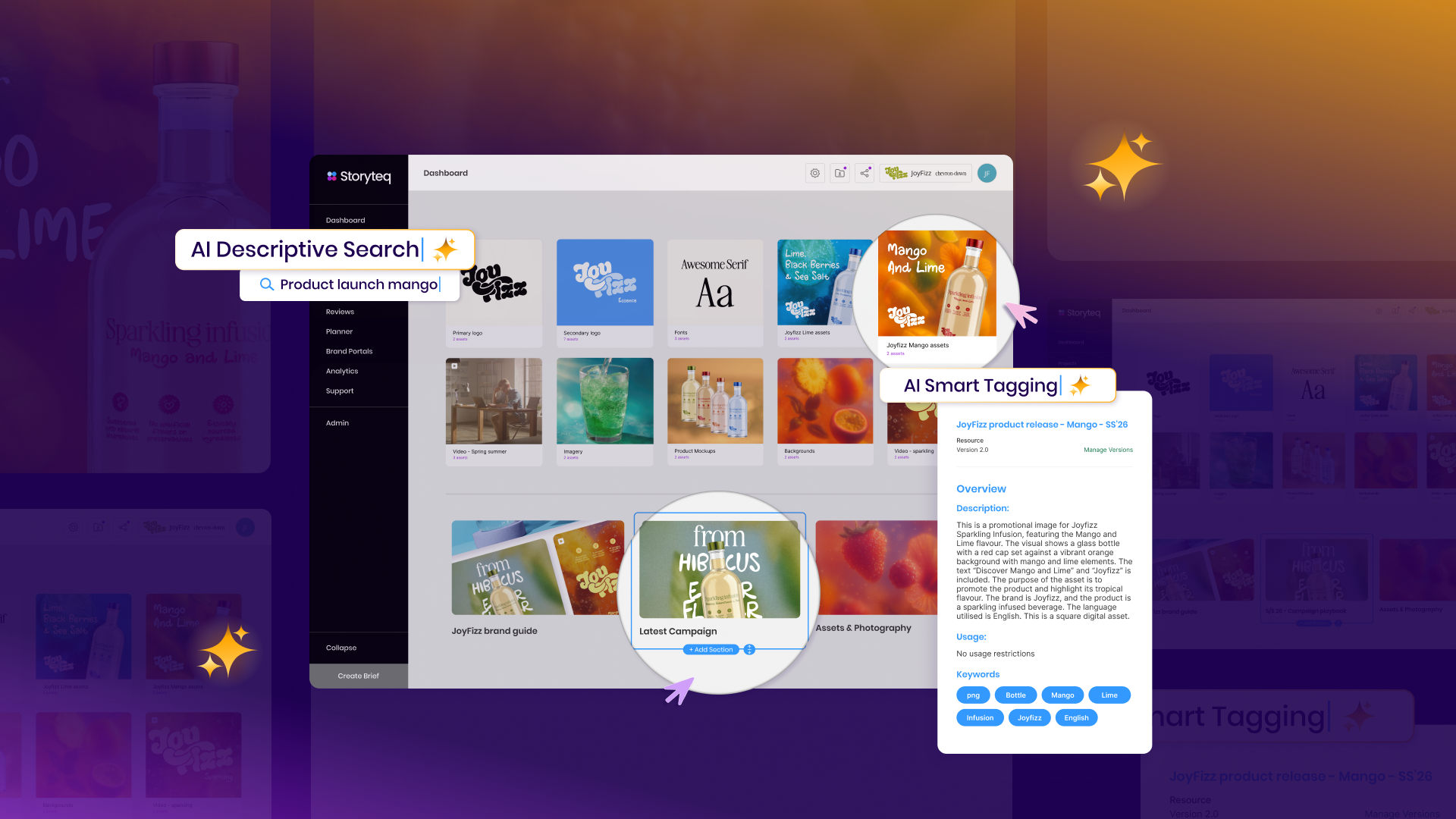
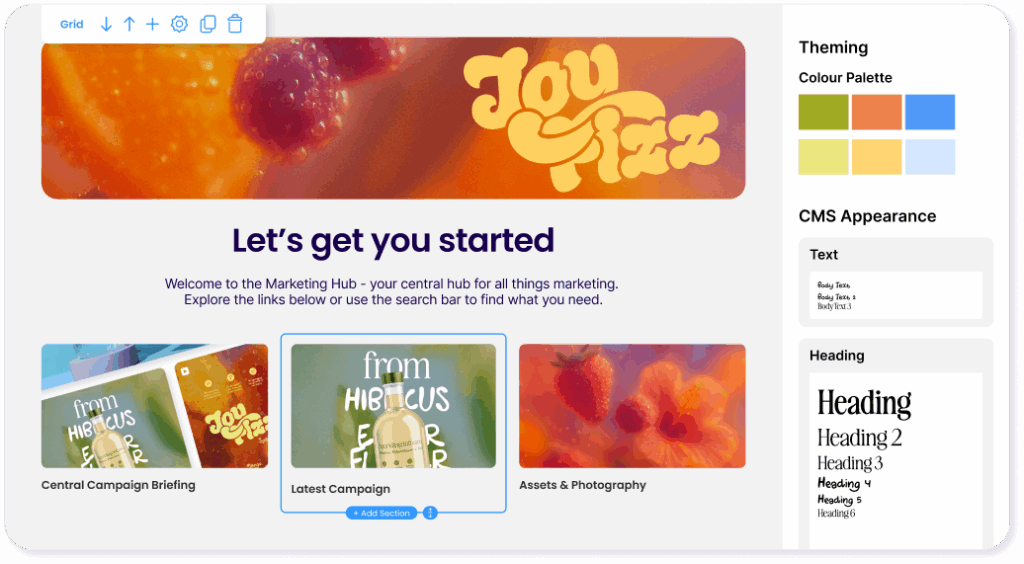
While traditional systems just store files, the Storyteq Content Portal makes your assets work for you. We use natural language search, meaning you can find a file by describing it, and structured brand portals to keep your guidelines and campaign playbooks front and center.
Why marketers and advertising agencies need a DAM
If you’ve ever felt the frustration of a campaign stalling because a key visual is “somewhere in an email thread,” you aren’t alone. Digital asset management for busy marketing teams and advertising agencies is essential because:
It solves the “where is it?” hunt: Reduce search time from hours to seconds.
It powers omnichannel marketing: A DAM for omnichannel marketing ensures that whether an asset is headed for print, social, or web, it’s always the correct, high-res version.
It protects your brand: Ensure everyone uses the latest approved versions—never an old logo again.
It stops budget waste: Don’t waste money paying to recreate an asset you already own but simply can’t find.
Building a modern digital asset management architecture
For a DAM to be effective, the digital asset management architecture needs to be invisible to the user but powerful under the hood. It connects your “Storage Layer” (where files live) to your “Integration Layer” (how it talks to other tools).
By using campaign management systems that integrate with digital asset management, you remove the friction between planning a campaign and executing it.
DAM taxonomy best practices
To keep your campaign asset management portal organized, you need a strong taxonomy. We recommend:
Descriptive tags: What is in the image? (e.g., “Summer Collection,” “Blue Background”)
Usage rights: When does the talent license expire?
Technical specs: Is it a 16:9 video or a 1:1 square?

5 Steps for a successful digital asset management implementation
Ready to clear the clutter? Here is how to build a digital asset management strategy that actually sticks:
- Conduct a needs assessment: Document your current digital asset management workflow and find the bottlenecks.
- Define your taxonomy: Use our best practices above to ensure your “naming language” matches how your team actually searches.
- Governance & roles: Define who can upload, who can approve, and who can download.
- Connect your ecosystem: Ensure your DAM isn’t an island. Storyteq connects your Content Portal directly to our Adaptation Studio for instant versioning.
- Drive adoption: Appoint “DAM Champions” to show the team how much time they’re saving.
The future: AI and marketing workflow automation
The “old way” of asset management was manual and slow. The future of asset management in digital marketing is predictive.
Imagine a world where your DAM doesn’t just store a video, but uses AI to automatically tag it and suggest how to crop it for different channels. At Storyteq, we’re making this marketing workflow automation a reality, removing the “process” so you can focus on the “creativity.”
Ready to make your campaign rollout effortless? Request a Storyteq demo today and let’s reclaim your team’s creative time.