


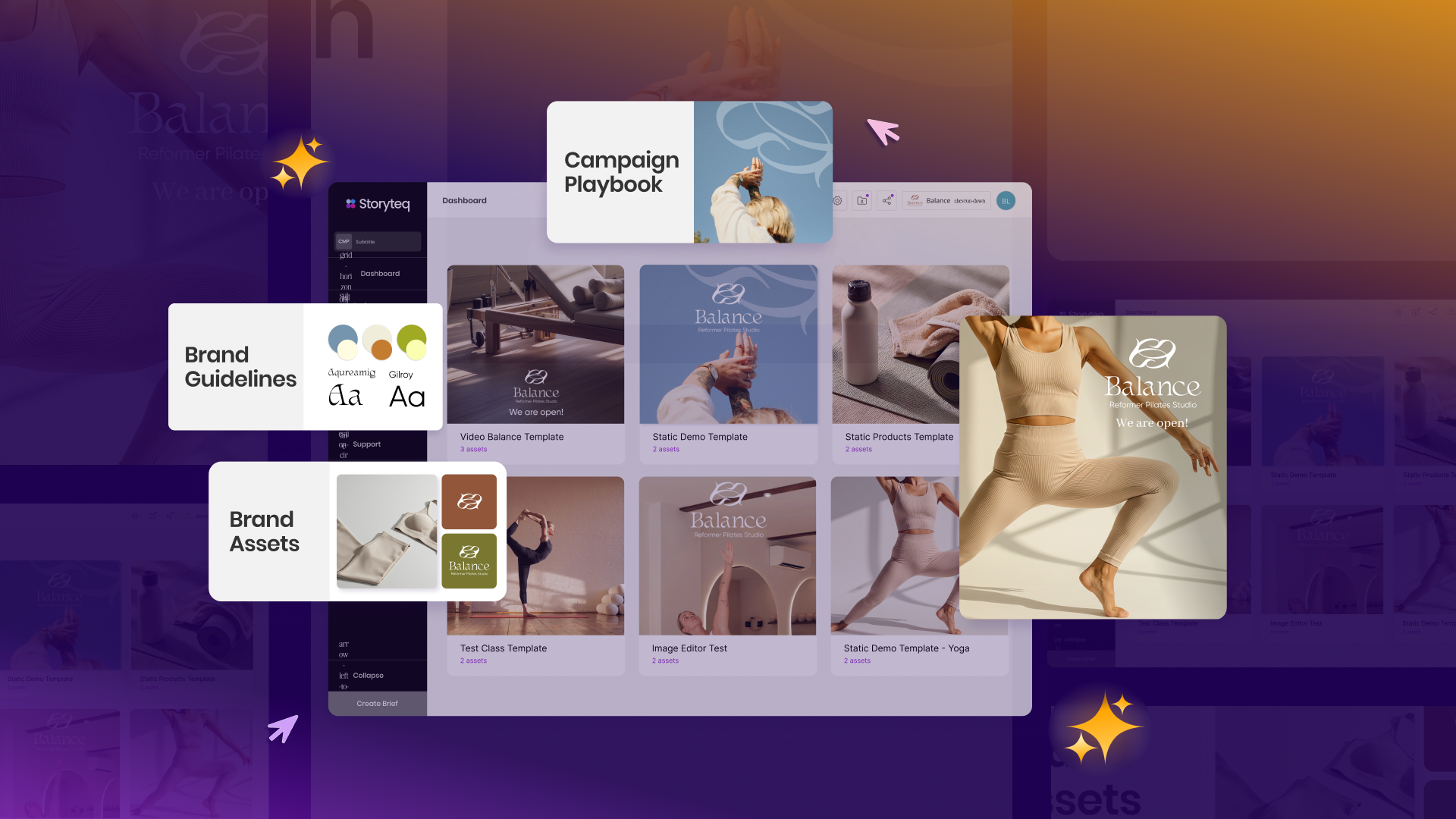
Digital Asset Management platforms are essential tools for marketing teams to efficiently organize, store, and distribute digital files. Choosing the right DAM solution streamlines creative workflows, enhances brand consistency, and minimizes the time spent searching for assets. Key considerations for selecting a DAM include integration capabilities, user experience, and specialized marketing functionalities.
What Is a Digital Asset Management (DAM) Platform?
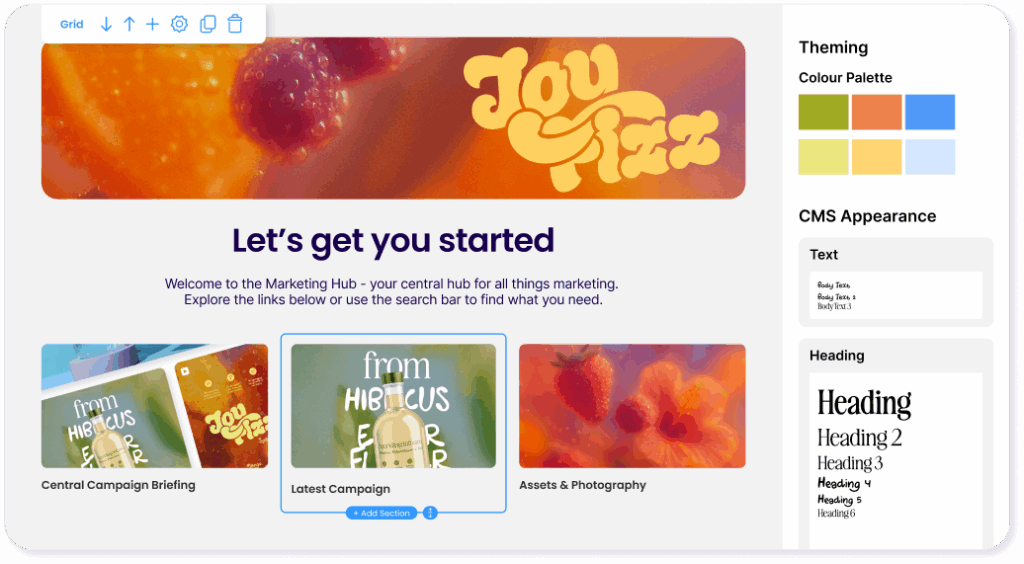
A Digital Asset Management (DAM) platform is a centralized system designed to manage digital assets like images, videos, and documents. For marketing teams, a DAM acts as the single source of truth, offering controlled access to current, approved assets while consistently maintaining version history and brand integrity. Unlike basic storage solutions, DAM platforms feature comprehensive organization through metadata tagging, which significantly reduces the time teams spend locating assets, thereby focusing efforts on creating impactful marketing campaigns.
DAM platforms help uphold brand integrity by ensuring access only to the most current materials in line with brand guidelines. Additionally, many incorporate analytics to provide marketing teams with insights into asset performance, assisting in identifying the most effective content.

What Features Should You Look for in a DAM Platform for Marketing Teams?
When evaluating DAM platforms for marketing needs, prioritize systems with strong asset organization, advanced search capabilities, intuitive interfaces, version control, and robust integration options. These features are crucial to ensure that teams can efficiently store, retrieve, and utilize marketing assets, maintaining consistent brand messaging.
Marketing-Specific Features: Systems should support campaign management, asset grouping by campaign, tracking usage across channels, and approval workflows, with asset transformation tools for quick formatting across platforms.
Asset Organization and Search: Look for flexible taxonomy systems and metadata models that align with specific marketing workflows. Advanced search features, including predictive suggestions and visual characteristic searches, can expedite the asset retrieval process.
Integration: Ensure the DAM can seamlessly connect with your current marketing tools, such as Adobe Creative Suite, CMS platforms, and marketing automation solutions, to eliminate workflow frictions.

Comparing DAM Platforms for Marketing Use
DAM platforms vary greatly in their offerings:
Marketing-Specific DAMs: Focused on content marketing workflows, offering tools for campaign planning, creative automation, and channel-specific publishing options. These often better support creative production compared to general systems.
Cloud-Based DAM: These provide accessibility, scalability, and predictable costs via subscription models, making them favorable for marketing teams with their easy updates and lack of IT overhead.
On-Premise DAM: Offers maximum control over customization and security, suitable for organizations with strict data requirements, despite the higher initial investment.
Enterprise DAM: Comprehensive solutions with robust governance and advanced security, often more complex than needed for marketing-only teams.
Top-Rated DAM Platforms for Marketing Teams in 2026
The top-rated DAM platforms for marketing teams include solutions recognized by industry analysts for their strong performance in user experience, marketing workflow support, creative asset management, and integration capabilities. Leading platforms typically offer robust metadata handling, AI-assisted tagging, dynamic asset transformation, and comprehensive analytics tailored to marketing needs.
When evaluating top platforms, consider those recognized by independent analysts like Forrester and Gartner, which regularly assess DAM solutions based on comprehensive criteria. Look for platforms that have been identified as leaders or strong performers in recent reports, as these represent validated options with proven capabilities.
In 2026, the landscape of digital asset management (DAM) platforms continues to evolve, with industry leaders excelling in user experience, workflow support, and integration capabilities. Among these, Storyteq stands out, having been named a Leader in the Gartner Magic Quadrant for Digital Asset Management for the second consecutive year in 2025.
Storyteq’s DAM platform leverages extensive AI capabilities, offering features like smart meta-tagging and data organization, which empower marketing teams to extract key insights for optimizing content performance and strategic growth. With real-time visibility into content performance, Storyteq bridges teams across markets, facilitating fast adaptation, seamless adoption of content, and enhanced brand consistency. This is achieved through effective localization and personalization, fostering meaningful customer connections.
The Gartner Magic Quadrant provides a detailed competitive positioning, classifying technology providers into Leaders, Visionaries, Niche Players, and Challengers based on their execution and strategic vision in high-growth markets with distinct provider differentiation. Storyteq’s recognition as a Leader underscores our commitment to providing cutting-edge solutions that drive innovation and excellence in Digital Asset Management marketing supply chain, enabling not just organization but also creative production and performance measurement.
Implementing a DAM Platform in Your Marketing Department
To effectively implement a DAM platform, follow these steps:
- Needs Assessment: Analyze your current workflows and identify key pain points and requirements.
- Metadata Strategy: Develop a detailed taxonomy that supports scalability and aligns with your team’s workflows.
- Content Migration: Use a phased approach to move high-value assets first, auditing content for quality and governance.
- User Training: Provide comprehensive training tailored to demonstrate how the DAM integrates into daily workflows and simplifies jobs.
- Measure Adoption: Establish metrics for success, such as time efficiency, asset reuse rates, and user adoption, and continuously gather feedback to improve the system.
At Storyteq, we’ve seen firsthand how a well-implemented DAM can revolutionize marketing operations, enabling the production of high-quality content efficiently while maintaining brand consistency. Our Content Marketing Platform includes powerful DAM functionality tailored to marketing workflows, helping teams plan, manage, and execute campaigns effectively.
Ready to see how the right DAM can transform your marketing operations? Request a demo today.