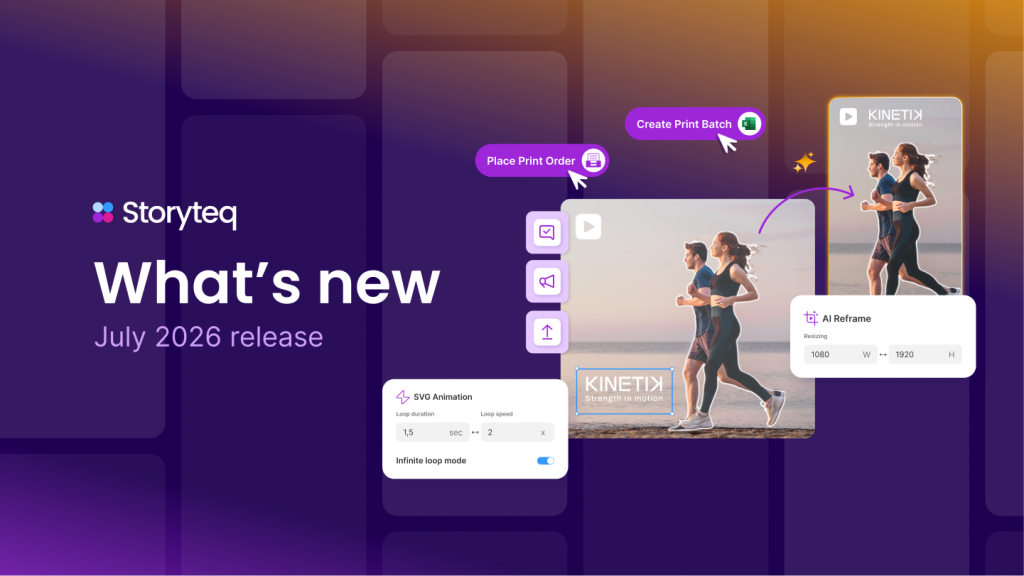



Choosing the right content marketing platform requires evaluating your specific business needs, team structure, and marketing goals. The ideal platform streamlines content creation, workflow management, and distribution while offering analytics to measure performance. Consider factors like scalability, integration capabilities, and user experience to select a solution that grows with your business and enhances your content marketing efficiency.
What factors should you consider when choosing a content marketing platform?
When selecting a content marketing platform, you should evaluate several key factors: functionality alignment with your workflow, integration capabilities with existing tools, scalability to support growth, analytics capabilities, user experience, and support options. These elements determine whether the platform will effectively address your content marketing challenges.
First, assess the platform’s core functionality. Look for features that match your specific needs, such as content planning, creation tools, workflow management, publishing capabilities, and distribution options. The right platform should support your entire content lifecycle from ideation to performance analysis.
Next, examine integration capabilities. Your content marketing platform should connect seamlessly with your existing tech stack, including your CRM, analytics tools, social media platforms, and digital asset management systems. Smooth integration prevents data silos and streamlines your workflows.
User experience is another important factor. The platform should be intuitive enough for your entire team to adopt without extensive training. Complex interfaces lead to poor adoption rates and diminished returns on your investment.
Finally, consider the quality of support and training resources available. Even the most user-friendly platforms require some learning, so robust support options ensure you can maximize your platform’s potential.
How do you align a content marketing platform with your specific business goals?
To align a content marketing platform with your business goals, first clearly define your objectives—whether they’re focused on awareness, engagement, conversion, or retention. Then identify the platform features that directly support these goals and evaluate how well each solution addresses your specific challenges and opportunities in content creation and distribution.
Start by documenting your content marketing strategy and identifying the key performance indicators that matter most to your business. This helps you determine which platform capabilities are essential versus nice-to-have.
For awareness goals, look for platforms with strong SEO tools, content distribution features, and social media integration. If conversion is your priority, seek platforms with robust analytics, personalization capabilities, and A/B testing functionality.
Consider your team’s workflow and pain points. Map out your current content creation process and identify bottlenecks that the right platform could address. For example, if approval processes slow you down, prioritize platforms with advanced workflow and collaboration tools.
Finally, think about future needs. The platform you choose should not only address current challenges but also support your content marketing as it evolves and grows in sophistication.
What’s the difference between all-in-one and specialized content marketing platforms?
All-in-one content marketing platforms provide comprehensive functionality covering the entire content lifecycle, from planning to analytics, within a single system. Specialized platforms, in contrast, focus on excelling at specific aspects of content marketing, such as SEO optimization, social media management, or content creation, offering deeper functionality in their niche areas.
All-in-one platforms offer several advantages. They provide centralized management of your content marketing efforts, eliminating the need to switch between multiple tools. This integration often results in better data flow, more consistent reporting, and a unified user experience.
However, specialized platforms typically deliver more advanced features within their focus area. For instance, a dedicated SEO platform will offer more sophisticated keyword research and content optimization tools than the SEO component of an all-in-one solution.
Your choice depends on several factors. Larger organizations with complex needs might benefit from an all-in-one platform to maintain consistency across teams. Smaller teams or those with specific challenges might prefer specialized tools that excel in addressing their particular pain points.
Consider your budget constraints as well. All-in-one platforms generally require a larger initial investment but might offer better value when considering the cost of multiple specialized tools.
How important is scalability when selecting a content marketing platform?
Scalability is vital when selecting a content marketing platform because it ensures your solution can grow with your business. A scalable platform accommodates increasing content volumes, supports additional users, maintains performance under heavier loads, and adapts to evolving marketing needs without requiring you to switch platforms and disrupt established workflows.
Look for platforms that offer flexible user management, allowing you to add team members, contributors, and external collaborators as your team expands. This becomes particularly important as your content operation grows from a small team to a larger department or when you begin working with external agencies.
Content volume capacity is another key consideration. As your content marketing matures, you’ll likely create more content across more channels. Your platform should handle this increased volume without performance degradation or storage limitations becoming obstacles.
Technical scalability matters too. The platform should maintain its speed and reliability as usage increases. Slow load times and system crashes can severely impact productivity and team adoption.
Finally, consider feature scalability. The right platform should offer advanced capabilities that you can implement as your content marketing sophistication grows, without forcing you to adopt complex features before you’re ready for them.
How do you calculate the ROI of a content marketing platform?
To calculate the ROI of a content marketing platform, measure both cost savings from improved efficiency and revenue gains from enhanced content performance. Track time saved in creation and workflow processes, compare content output before and after implementation, and monitor improvements in key content metrics like traffic, engagement, and conversions that directly impact your business objectives.
Begin by establishing a clear baseline of your current metrics before implementing a new platform. Document your content production rates, time spent on various tasks, and performance indicators for your content.
For efficiency gains, quantify time savings across your content workflow. This includes reduced time in content creation, review cycles, publishing, and distribution. Multiply these hours by the relevant hourly rates to determine financial impact.
On the revenue side, track improvements in content performance metrics that align with business goals. This might include increased organic traffic, higher engagement rates, improved conversion rates, or enhanced lead quality from content-driven channels.
Don’t overlook the value of improving team collaboration and satisfaction. Reduced friction in workflows and better visibility can lead to higher team productivity and retention, which have significant but less directly measurable financial benefits.
Remember that content marketing platforms typically show increasing returns over time as teams become more proficient and processes become more refined.
Choosing the right content marketing platform is a significant decision that impacts your entire marketing operation. We at Storyteq understand the complexities involved in selecting a solution that truly meets your needs. Our content marketing platform is designed to address the challenges faced by global brands, from streamlining creative production to enhancing content management efficiency. To learn more about how our platform can transform your content marketing efforts and see it in action, request a demo today.
Frequently Asked Questions
How long does it typically take to implement a new content marketing platform?
Implementation timelines vary based on platform complexity and your organization’s size, but generally range from 4-12 weeks. Simple platforms with limited integrations might be operational in a month, while enterprise solutions requiring extensive customization and data migration could take 2-3 months. Create a phased rollout plan starting with core features before implementing advanced capabilities to ensure smooth adoption across your team.
What are the most common challenges teams face during the transition to a new content marketing platform?
The most common challenges include resistance to change from team members, data migration issues, and integration complications with existing tools. To overcome these obstacles, invest in proper training, involve key stakeholders early in the selection process, and create clear documentation for new workflows. Consider appointing platform champions within your team who can help facilitate adoption and provide peer-level support during the transition period.
How can I ensure my team fully adopts the new content marketing platform?
Successful adoption requires a combination of proper training, clear communication about benefits, and leadership buy-in. Start with comprehensive onboarding sessions tailored to different user roles, followed by regular check-ins to address questions. Create easily accessible resources like quick-start guides and video tutorials for ongoing reference. Most importantly, demonstrate how the platform solves specific pain points for team members to help them see immediate value in making the switch.
What metrics should I track in the first 90 days after implementing a new content marketing platform?
In the first 90 days, focus on both adoption metrics and early performance indicators. Track user adoption rates, frequency of platform use, and completion of key workflows to gauge internal success. For performance, monitor changes in content production velocity, publishing frequency, and early engagement metrics compared to your baseline. Don’t expect dramatic ROI immediately—instead, look for positive trends in efficiency metrics that indicate you’re on the right track.
How often should we reevaluate our content marketing platform needs?
Conduct a thorough platform evaluation annually, with lighter quarterly check-ins to assess if your current solution still meets your evolving needs. Use these reviews to identify gaps in functionality, evaluate user adoption challenges, and assess whether you’re utilizing all available features effectively. Schedule these reviews to align with your subscription renewal timeline, giving yourself enough lead time to research alternatives if necessary.
What's the best way to integrate a new content marketing platform with our existing tech stack?
Begin by mapping all critical integration points and prioritizing them based on workflow impact. Start with essential integrations that affect daily operations, such as CRM, CMS, and analytics tools. Work closely with your IT team and the platform’s support resources to address any API limitations or data synchronization issues. Consider middleware solutions for complex integration scenarios where direct connections aren’t available, and thoroughly test each integration in a staging environment before rolling it out to your full team.
Should we hire a specialist to manage our content marketing platform?
As your content operations scale, having a dedicated platform manager becomes increasingly valuable. This specialist ensures you maximize platform capabilities, maintains governance standards, troubleshoots issues, and trains new users. For smaller organizations, this might be a partial responsibility within a content marketing role, while larger teams might need a full-time administrator. The ideal candidate combines technical aptitude with a strong understanding of content workflows and can serve as the bridge between your marketing team and technical support.